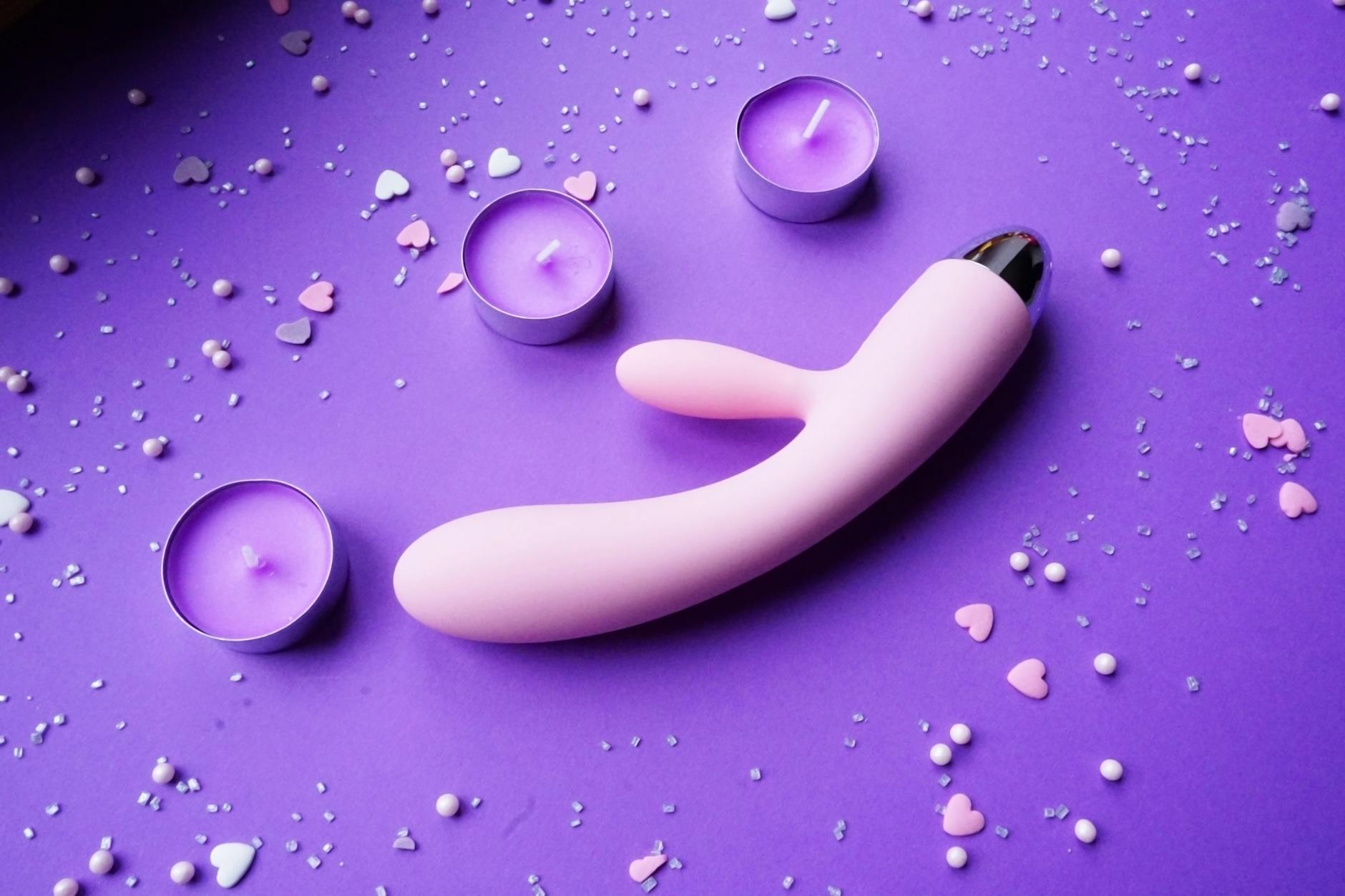
How Lemon Clitoral Vibrators Help After Surgery or Medical Procedures
Let's be real. After surgery or a serious medical procedure, your body feels like a construction zone. Everything is tender, swollen, or just plain wrong. And somewhere in that fog of painkillers and compression garments, the idea of pleasure seems ridiculous, impossible, or both.
Here's what nobody tells you: pleasure doesn't disappear after medical trauma. It goes quiet. And when you're ready to bring it back, the tools you choose matter enormously. Lemon vibrators like the Lem are surprisingly effective for post-procedure recovery because they work WITH your healing body instead of against it.
Why medical procedures change sensation temporarily
Surgery on or near the vulva, pelvic floor, or abdomen interrupts nerve signaling temporarily. Swelling and inflammation mean the tissue is thicker and less responsive to stimulation. Hormonal shifts from anesthesia and stress throw everything off balance. Your brain is also working overtime on healing, which means arousal feels muted or absent entirely. That's not dysfunction. That's your body being smart about resource allocation.
Abdominal surgeries, C-sections, hysterectomies, and fibroid removals all affect the pelvic area differently, but they share a common thread: sensitivity changes, soreness, and a nervous system that's stuck in recovery mode. Some procedures like vaginoplasty or vulvovaginal surgery have more direct impact on sensation. Others like appendectomy or hernia repair have secondary effects through scar tissue or nerve irritation.
The timeline matters too. In the first two to four weeks, you're not touching anything down there except maybe ice and saline. But once you're cleared for gentle activity, usually around the six to eight week mark, reintroducing sensation gradually can actually speed healing and rebuild confidence.
Why suction-based vibrators work better than vibration alone
Most traditional vibrators work through oscillation. The toy moves back and forth or side to side, creating intensity through speed and force. After surgery, that kind of direct friction can feel overwhelming, uncomfortable, or even painful if tissue is still tender or scarred.
Lemon clitoral vibrators use air-suction technology instead. The Lem, for example, gently draws the clitoral tissue upward into a soft seal, stimulating the nerve endings without repetitive friction. For post-surgical bodies, this matters because:
- No direct pressure on healing tissue. Suction stimulates from a distance, without rubbing or pushing against sore areas.
- Adjustable intensity without pain trade-offs. You can start at pattern one or two and feel sensation building gently, rather than choosing between "nothing" and "ouch."
- Psychological comfort. The gentleness signals to your nervous system that pleasure is safe again, which helps rebuild arousal capacity.
Rough, high-frequency vibration can feel chaotic to a healing nervous system. Suction feels contained and controlled.
The healing timeline and when to start
Get full clearance from your surgeon first. Non-negotiable. Most surgeons clear people for gentle penetration around six to eight weeks, depending on the procedure. Self-pleasure without penetration is often safe earlier.
Once you're cleared, here's a realistic progression:
Weeks 6-8 (gentle exploration). This is about reacquaintance, not intensity. Use the Lem on pattern one for two to three minutes maximum. Pay attention to any pain, unusual swelling, or emotional triggers. Pleasure might not arrive yet, and that's completely normal. Your nervous system is still in recovery mode.
Weeks 9-12 (building tolerance). Sessions can extend to five to seven minutes. You might start noticing arousal returning. If sensation feels absent, that's common. Anesthesia and surgical stress can numb things temporarily. Patience matters here. Some people find that consistent, gentle stimulation actually accelerates the return of normal feeling.
Weeks 13 onward (gradual expansion). If you've had no pain or complications, you can experiment with longer sessions, slightly higher patterns, and exploring what feels good again. This is where pleasure starts feeling familiar rather than foreign.
Every surgery is different. Cosmetic procedures, cancer-related surgeries, and trauma-informed recovery all move at different speeds. Listen to your body, not the timeline.
The scar tissue conversation
If your surgery created visible scars or involved the vulva directly, scar tissue can create tender spots or numb patches. This is temporary but frustrating. Lemon vibrators help because:
- Gentle stimulation encourages blood flow to scarred areas, which gradually restores sensation.
- The suction method means you're not aggravating scar tissue with direct friction.
- Psychological relief matters. When pleasure returns to affected areas, it signals to your brain that the body is still yours.
If scarring is extensive or painful, ask your surgeon about scar mobilization therapy. Sometimes a physical therapist trained in pelvic health can break up tight adhesions that vibration alone won't reach. But gentle, consistent stimulation accelerates that process.
The emotional piece nobody mentions
Here's what surprised my clients most: the hardest part of post-surgical pleasure recovery wasn't physical. It was psychological.
After your body has been cut open, inspected, repaired, and stitched back together, pleasure feels like betrayal. Or like you're moving too fast. Or like you're supposed to be "damaged" now. Surgery trauma lives in the nervous system. Your body has learned that this area isn't safe. Retraining that takes repetition and proof.
This is where consistency matters more than intensity. Using a lemon vibrator twice a week for five minutes does more for your healing than once every two weeks for twenty minutes. Regularity tells your nervous system: this is safe, this is normal, this is yours again.
Many people benefit from pairing this with therapy or somatic work. A therapist trained in trauma can help you process what happened. Vibration helps you reclaim the physical experience. Together, they're powerful.
When to hold off or see a specialist
If at any point you experience sharp pain (not just tenderness), increased swelling, discharge, or bleeding, stop and contact your surgeon. These aren't signs to push through. They're signals that something isn't healed yet.
If sensation doesn't return after four to six months of gentle stimulation, talk to a pelvic floor specialist or your surgeon. Sometimes scar tissue needs professional intervention. Sometimes nerve damage needs time you haven't given yet. But a specialist can rule out complications and offer targeted solutions.
If you're having intrusive thoughts or trauma responses when you try to engage with pleasure, that's a cue for trauma-informed therapy before returning to vibration. Your nervous system needs time to feel safe in that area. That's valid, not weakness.
The permission part
After surgery, pleasure isn't frivolous. It's a marker of healing. When your body can feel joy, arousal, and orgasm again, that's evidence that you've genuinely recovered. Pleasure is medicine.
Using a lemon clitoral vibrator after medical procedures isn't rushing recovery. It's actively participating in it. You're rebuilding nerve pathways, restoring blood flow, and reclaiming your body as yours instead of a medical object.
Start gentle. Be patient. Listen to your body. The Lem and other lemon vibrators are designed to meet you where you are, not push you where you're not ready to go. Your pleasure matters. Your recovery matters. And you deserve both.
People Also Ask
How soon after surgery can I use a clitoral vibrator?
Most surgeons clear patients for gentle self-pleasure around six weeks after surgery, but ask your specific surgeon before using any toy. Initial sessions should be very short, under three minutes, and use the lowest settings. If you have any pain, swelling, or discharge, wait longer. Some surgeries require eight to twelve weeks of healing before any genital stimulation is safe.
Can using a lemon vibrator help my nerves heal faster?
Gentle, consistent stimulation does improve blood flow to healing tissue and can help restore sensation lost to surgical trauma. Regular but low-intensity use, like twice weekly for five minutes, may speed the return of normal sensation compared to avoiding stimulation entirely. However, the healing timeline is individual. Patience matters more than frequency.
What if I still feel numb months after surgery?
Numbness after surgery can last three to six months in some cases, especially if the surgery was near major nerve clusters. If numbness persists beyond six months, ask your surgeon about referral to a pelvic floor specialist or neurologist. Sometimes gentle stimulation accelerates recovery, but sometimes scar tissue or nerve damage needs professional intervention. Don't assume numbness is permanent.
Is it safe to use a vibrator if I have an internal scar or adhesions?
Gentle vibration is usually safe and can actually help with scar tissue by improving blood flow. However, if you experience pain, swelling, or unusual sensations when using vibration, stop and contact your surgeon. Scar tissue that's causing pain or restricting movement might need professional scar mobilization therapy before vibration is comfortable.
Can I use a lemon vibrator during my recovery if I have stitches or staples?
No. Wait until stitches or staples are removed and the incision site is fully sealed. Your surgeon will give you the green light. Once cleared, avoid direct contact with the incision area itself, even if it's in a different location. The whole pelvic region is connected, and vibration can create movement that affects healing tissue.
What's the difference between medical numbing and permanent nerve damage?
Medical numbing from anesthesia and surgical swelling usually resolves within six to twelve weeks. Numbness from actual nerve damage can be temporary or permanent depending on how the nerve was affected. If sensation hasn't returned after six months of gentle stimulation, that's the time to see a specialist. Most people recover full or near-full sensation, but the timeline is individual. A pelvic floor specialist can assess nerve function and guide your recovery.
Your body has survived something serious. That's incredible. Bringing pleasure back into it, gradually and with intention, is part of honoring that survival. The right tools make it easier. Hello Nancy is here to support that journey.