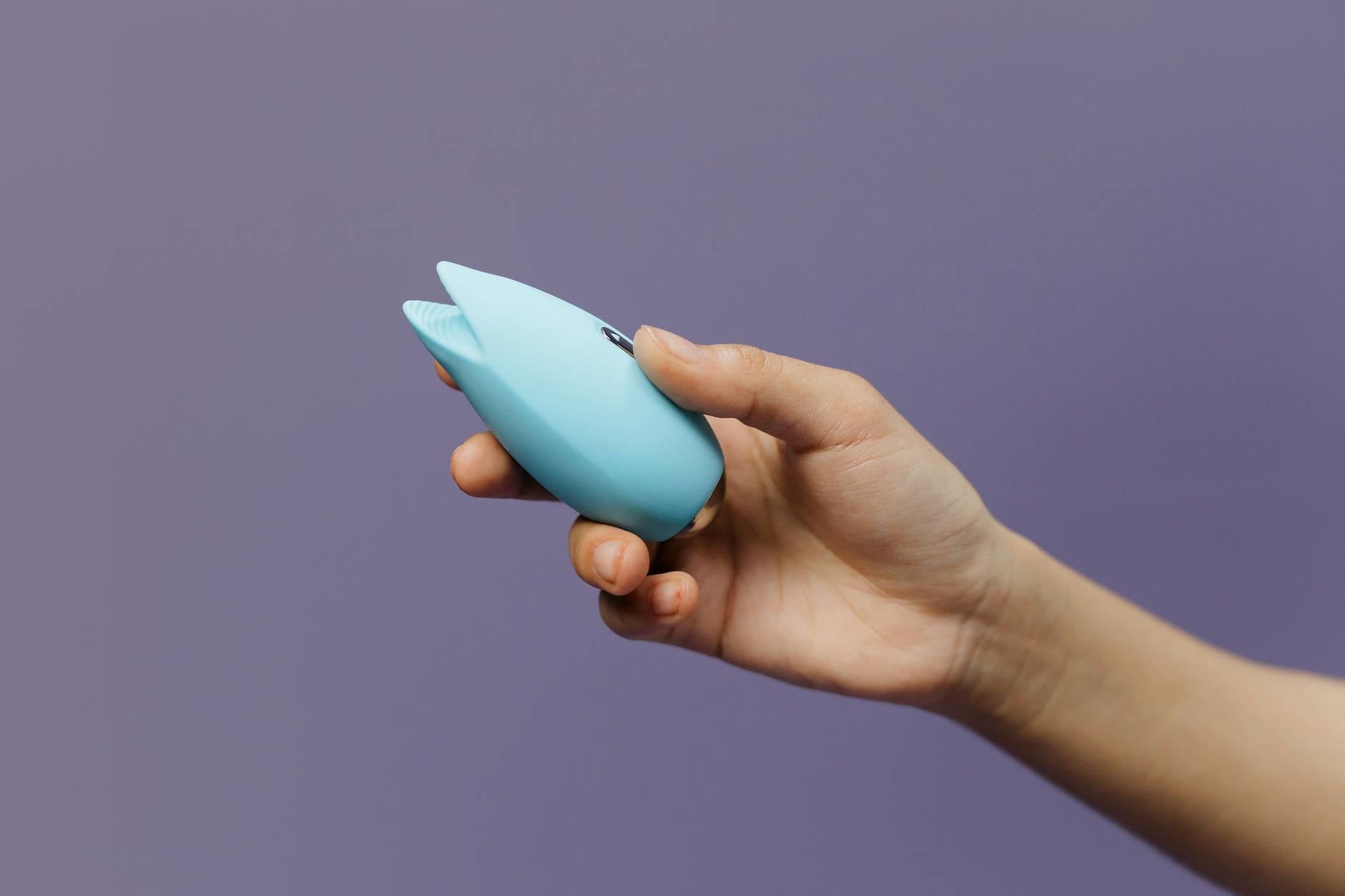
The thing no one tells you about desire after betrayal
Your body doesn't trust you anymore. That's the real shock. Not the grief, not the anger, not even the questions that loop all night. It's the moment you try to feel pleasure and your nervous system says no. Your muscles tighten. Your mind checks out. What used to feel simple now feels loaded with risk.
Infidelity scrambles your wiring. It doesn't just wound the relationship. It wounds the part of you that felt safe enough to want things. And healing that isn't about forgetting or moving on fast. It's about learning to feel in your own body again, separately from the story of what happened.
This is where lemon vibrators and clitoral vibrators matter. Not as a band-aid, and not as proof that you're "over it." But as a tool to help you reset your nervous system, reclaim your body as yours, and slowly rebuild the permission to feel good without someone else needing to earn it first.
Why betrayal hijacks your pleasure response
When infidelity happens, your brain doesn't just process emotional hurt. It processes a safety breach. Desire, in your nervous system, is a vulnerability response. You have to drop your guard. You have to trust. And right now, trust feels stupid.
Your amygdala (the brain's threat detection center) is on high alert. When you try to get aroused, your body reads that vulnerability as danger and shuts it down. This is normal. It's not a sign you're broken. It's a sign your body is protecting you.
Here's what's happening physiologically. Cortisol and adrenaline stay elevated for weeks or months after betrayal. These stress hormones actively suppress the neurochemicals that build arousal. Dopamine drops. Oxytocin (the bonding hormone) tanks. Your vagus nerve, which should be in a "rest and digest" state during sex, stays in fight-or-flight mode instead.
That's why traditional advice like "just try again" or "be vulnerable" feels impossible. You're not being stubborn. Your nervous system is literally working against you.
How solo pleasure rewires safety
This is the piece that changes things. When you use a lemon vibrator or any clitoral vibrator alone, you're not trying to be vulnerable with someone else. You're teaching your body that pleasure doesn't require trust in another person. It requires trust in yourself.
That distinction matters wildly.
Solo exploration with a clitoral vibrator does several things at once. First, it gives you control. You set the intensity. You set the pace. You stop whenever you need to. There's no performance, no negotiation, no worry about someone else's experience. That control is antidote to the powerlessness betrayal creates.
Second, it slowly recalibrates your nervous system. Each time you use a lemon vibrator successfully, your brain registers a small win. You felt something good. You stayed present. Your body didn't punish you. Over time, these small wins accumulate and the defensive response softens.
Third, lemon clitoral vibrators and suction-based toys like the Lem work especially well here because they don't require the same mental labor as manual stimulation. Your hands are free to ground yourself. Your mind can wander without the technique falling apart. That's huge when you're healing. You don't have to perform precision. You can just receive.
The nervous system reset protocol
If you're starting from a place of real numbness or shutdown, here's what actually works.
Week 1-2: sensation without expectation. Use your lemon vibrator on low intensity settings (settings 1-2 on most clitoral vibrators). Spend 5-10 minutes exploring what you can feel, without any pressure to orgasm. This isn't about arrival. It's about noticing. Can you feel warmth? Tingling? Anything at all? If you feel nothing, that's fine too. You're rewiring, not performing.
Week 3-4: expand the window. Extend sessions to 10-15 minutes. You can move to medium intensity if you want to, but don't feel obligated. Notice what emotions come up. Sometimes people get angry. Sometimes they cry. That's healthy discharge. Your body is processing stored tension.
Week 5+: add intention. Start to notice what fantasies or thoughts feel good to you independently of your partner. What makes you curious? What feels exciting without guilt attached? This is where you begin to separate your desire from the story of the betrayal. You're building a pleasure identity that belongs to you alone.
The whole process usually takes 8-12 weeks before most people feel their desire returning in a partnered context. Some people are faster. Some take longer. There's no timeline.
What actually happens to orgasms during this healing phase
Many people report that their first orgasm after betrayal is weird. Not bad, exactly. Just emotionally charged. You might feel relieved. You might feel guilty for feeling good. You might cry. All of that is normal.
Don't mistake emotional release for backsliding. When you use a clitoral vibrator like the Lem and feel a surge of unexpected emotion, that's healing happening. Your body is releasing stored stress. Keep going. Let it happen.
Some people find that orgasms feel muted at first. That's because your nervous system is still in protective mode. Your body is modulating the intensity of pleasure to keep you safe. This usually shifts within a few weeks of consistent solo practice.
A few people find that they have their most intense orgasms during this phase. Anger can fuel pleasure. Reclamation can feel electric. If that's happening for you, that's not a problem. You're not doing something wrong.
When partnered sex feels possible again
This is where patience pays off. Once you've rebuilt your sense of safety in your own body, the question isn't whether to rush back into coupled sex. It's what kind of coupled sex feels right.
Some people find that continuing to use lemon vibrators or clitoral vibrators solo while their partner watches helps bridge that gap. You're in control. They're present but not touching. That's a middle ground that works for a lot of couples rebuilding after betrayal.
Others need more time before partnered stimulation feels okay. That's fine too. There's no expiration date on healing.
What matters is that you're not using partnered sex to prove anything or rush past the hurt. You're moving toward it because your nervous system actually feels safe enough to be vulnerable again. That takes time. And solo exploration with a lemon vibrator gives you the runway to get there.
The trust conversation with yourself
Here's something that gets overlooked. Rebuilding intimacy after infidelity isn't just about rebuilding trust with your partner. It's about rebuilding trust in your own judgment and instincts.
You chose someone you thought was trustworthy. They weren't. That doesn't make you stupid. But it does shake your confidence in yourself. Using clitoral vibrators and reclaiming pleasure solo is also an act of trusting yourself again. You're proving to yourself that you can feel good, make choices, and prioritize your own needs without someone else validating it.
That internal trust is what actually predicts whether your relationship heals successfully, not whether you have sex again. So when you're using a lemon sucker or any clitoral vibrator and you feel resistance or shame or numbness, remember. You're not just building arousal. You're rebuilding faith in yourself.
Real talk about whether the relationship survives
Solo pleasure won't fix a broken relationship. That's not what this is. Using lemon vibrators to heal your own body might help you get clear on what you actually want. Maybe that's reconciliation. Maybe that's leaving. Maybe that's a period of separation before deciding.
What solo exploration does do is take the pressure off sex to mean something it can't carry. It's not proof that you've forgiven. It's not a prerequisite for staying. It's just you, taking care of your own pleasure and nervous system while you figure out the rest.
If you and your partner are working toward healing together, consider a couples therapist trained in infidelity recovery. They can help you both navigate the conversation about what sex means now, what boundaries feel safe, and what either of you actually needs to move forward. Pleasure is part of that. But it's not the whole story.
FAQ: healing, desire, and getting back to pleasure
How long does it usually take to feel desire again after infidelity?
There's no fixed timeline. Some people feel sparks of desire within a few weeks of solo exploration. Others take three to six months. What matters is consistency, not speed. Using a lemon vibrator two to three times a week will typically shift your nervous system faster than sporadic use. But healing isn't linear. You might feel good one week and numb the next. That's normal. Keep going.
Can using a clitoral vibrator feel like cheating if I'm trying to rebuild the relationship?
No. Solo pleasure is not betrayal. In fact, most therapists recommend it during infidelity recovery because it helps you separate your body's needs from the relationship wound. Your partner might even feel relieved knowing you're taking care of yourself. If they feel threatened by your solo pleasure, that's worth exploring with a therapist. A healthy partner supports your healing.
What if I don't want to have sex with my partner ever again after what they did?
That's valid and worth honoring. You don't have to forgive infidelity. You don't have to stay. And you don't have to rebuild desire if the relationship doesn't feel safe or worth it anymore. Solo pleasure with a lemon clitoral vibrator can help you feel good in your own body while you're figuring out what you actually want to do about the relationship. But pleasure should never be a condition for staying.
Is it normal to feel angry or sad while using a vibrator after betrayal?
Completely. Your nervous system is processing a lot. Anger can actually fuel arousal during this phase. Sadness can come up as you release stored tension. If you feel emotional, that's not a sign to stop. It's a sign your body is healing. Cry, feel angry, feel it all. Then keep using the vibrator. That's the work.
Should I tell my partner I'm using clitoral vibrators to heal?
That depends on your relationship and what feels safe. Some people find that transparency helps. Telling your partner "I'm using a lemon vibrator to help my nervous system reset" can prevent shame and defensiveness later. Others prefer privacy during this phase. If you do tell them, keep it matter-of-fact. This isn't a conversation about feelings. It's a conversation about self-care.
What if my partner wants to use lemon vibrators together before I feel ready?
Tell them no. Set that boundary. You're healing. That takes time alone first. Once your nervous system has recalibrated and you feel desire returning independently, then you can explore whether coupled play feels right. Most therapists recommend waiting at least 8-12 weeks of solo practice before reintroducing partnered stimulation. Honor your timeline, not theirs.
Healing from infidelity is slow, nonlinear work. And learning to feel good in your own body again is one of the most important parts of that healing. A lemon vibrator or clitoral vibrator is just a tool. But it's a tool that gives you back control, helps you reset your nervous system, and reminds you that your pleasure belongs to you. That matters more than the relationship status right now. That matters most.
If you're struggling with the emotional piece alongside this, reach out to a therapist trained in trauma and relationships. They can help you process the betrayal while you're working on reclaiming your body. You don't have to do this alone.