
Let's be real about foreplay imbalance
One of you finishes satisfied. The other one is still waiting. This dynamic doesn't feel like a small problem when you're in it. It erodes trust, builds resentment, and turns sex into something you tolerate instead of something you want. The weird part is that most couples don't even name it directly. You just both feel it.
Here's what I see in my practice: nine times out of ten, the imbalance isn't about laziness or carelessness. It's structural. Penetrative sex takes longer to become pleasurable for some bodies and shorter for others. Hands get tired. Mental load kicks in. Someone worries they're taking too long and rushes. Then both people feel bad.
A lemon vibrator changes the entire equation.
Why the problem feels so hard to fix
Talking about it should help, right? In theory, absolutely. But here's the friction: bringing it up feels like criticism. "You never spend enough time with me" can land as "You're selfish" or "I'm not enough for you." The person being critiqued gets defensive. Then you're fighting about the fight instead of solving the actual problem.
The other layer is physiological. If one partner needs more clitoral stimulation than the other can provide by hand or tongue without fatigue, no amount of willingness fixes that. You're asking someone's arm to do something it's physically not built for. That's not a relationship failure. That's just anatomy.
And finally, there's the performance anxiety spiral. If you know your partner is getting impatient, your body responds by tensing up, which makes it harder to feel pleasure. Which makes it take longer. Which makes them more impatient. The cycle feeds itself.
What lemon vibrators actually do here
Let me separate two things: the tool and the conversation.
The tool (a quality lemon clitoral vibrator like the Lem) delivers consistent, hands-free stimulation that doesn't fatigue and doesn't lose rhythm when someone's focus drifts. That's the mechanical advantage.
But the real shift is relational. When you introduce a vibrator intentionally, with your partner, it says three things without needing to say any of them:
- "Your pleasure is important enough to get its own dedicated focus"
- "I want both of us to feel good, and I'm willing to problem-solve"
- "We're doing this together, not one of us waiting for the other to finish"
Suddenly foreplay isn't a checklist item leading to the main event. It's its own thing that both of you are present for. Your partner can pay attention to you while you're experiencing real stimulation. You're not managing their endurance or their impatience. They're not managing your anxiety about taking too long.

Photo by cottonbro studio on Pexels
How to bring it in without it feeling weird
Timing matters. Don't introduce this mid-fight or when someone's already frustrated. Do it when you're both calm, ideally not right before sex. I tell couples to treat it like adding a new ingredient to a recipe you both like.
One approach: "I've been thinking about how we could both feel less rushed. I'm curious if you'd want to try using a vibrator during foreplay so we're both getting what we need at the same time. Would that feel good to you?" Notice that's a genuine question, not a demand disguised as one.
If there's resistance, listen to it without defending. Sometimes it's about inadequacy ("You mean I'm not enough"). Sometimes it's about novelty anxiety. Sometimes it's a completely valid preference against toys. You want to know which one you're dealing with.
If it's about adequacy, the reframe is: "You're enough. Your hands get tired, and that's not a character flaw. This lets me feel amazing while we're both still connected." That's true.
If it's novelty anxiety, introduce it slowly. Maybe it's just holding one together while you kiss. Maybe you look at it together before using it. Familiarity softens the weird.
The exact setup that works best
Start with foreplay as usual. When you've built some arousal, that's when the vibrator comes in. Your partner can use it on you while they're paying attention to your face, your responses, maybe kissing your neck or breasts. You get the focused stimulation. They get to be actively involved in your pleasure instead of waiting.
Honestly? Many partners find that watching someone they care about experience real pleasure is its own kind of turn-on. The pressure lifts. The dynamic inverts from "Can I make this happen?" to "Look at how amazing this is."
If you're the partner with the vibrator, you get something too: your own arousal building while you're turned on by their responses. It's less like maintenance work and more like mutual pleasure-building.
Start on lower settings. Lemon vibrators like the clitoral suction-style options have multiple intensities for a reason. You're not chasing orgasm in the first ten seconds. You're building sensation and connection.
When one partner uses it solo, then you switch
Another pattern that works: you use the vibrator on yourself while your partner watches and touches you elsewhere. Then they penetrate while the vibrator is still there, or you set it aside and transition into other foreplay. This takes all the pressure off them to provide stimulation while keeping everyone in the same moment together.
It also means you get to show them exactly what feels good, which is educational for both of you.
The conversation after
Here's the thing that matters: after you've tried it, talk about it. Not in a heavy way. "That felt really good" or "I liked how connected we felt" is plenty. If something didn't land, name it without shame. "The angle was weird" is fixable. "It felt impersonal" is useful information.
You're building a language where pleasure is something you solve together, not something one person manages while the other waits. That language transfers to everything else. If foreplay feels more balanced, sex feels more balanced. If sex feels collaborative instead of transactional, the whole relationship settles.
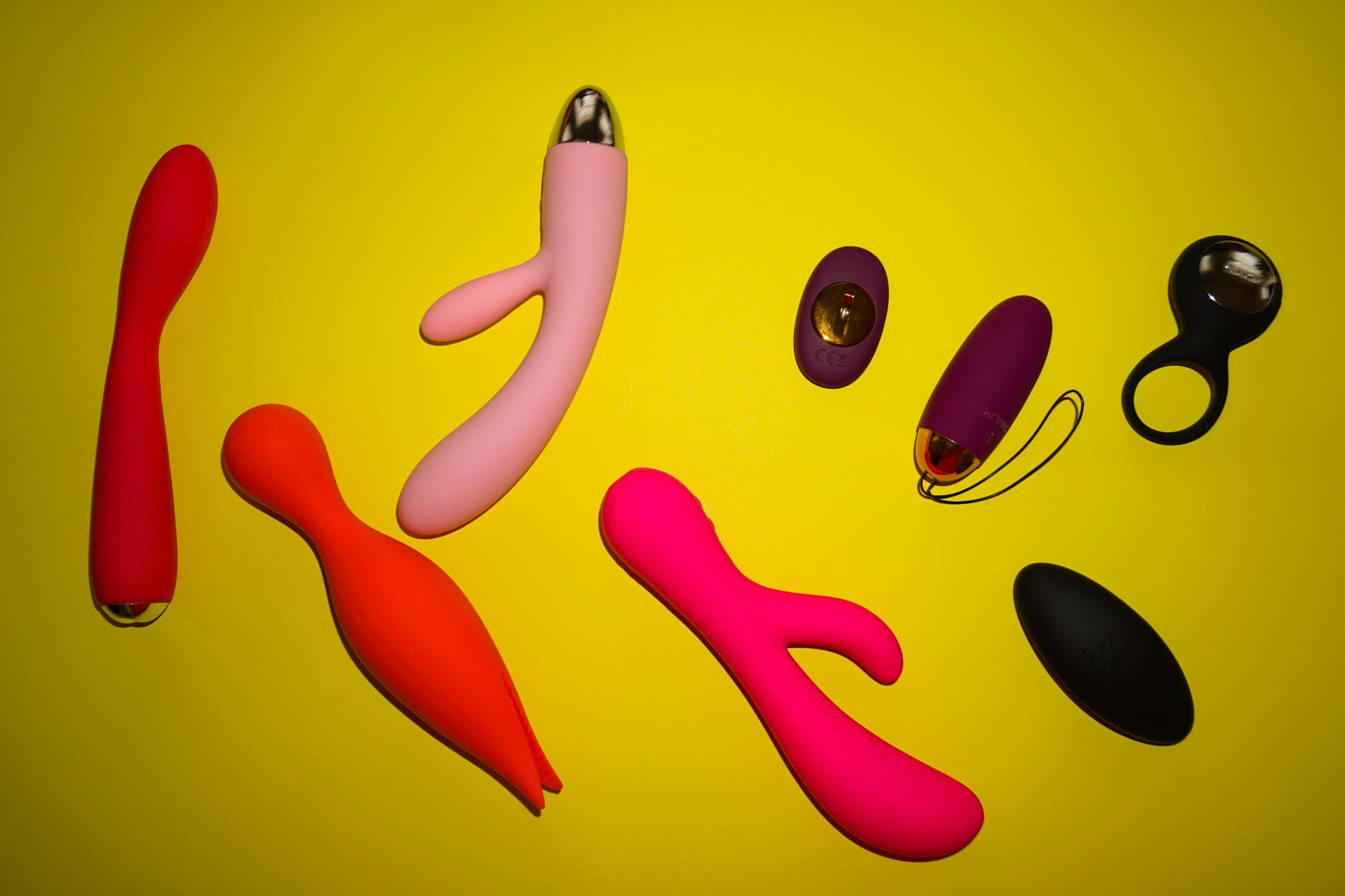
Photo by FounderTips on Pexels
Why lemon clitoral vibrators specifically
There are a lot of vibrators out there. Lemon-style designs and suction vibrators work well here for a specific reason: the stimulation is broad and diffuse rather than pinpoint. That means less intensity ramp-up, less chance of overstimulation, and more room for variation. Plus, they're quiet enough that you can actually hear each other and stay present instead of tuning out the buzz.
The Lem, for example, has a range of intensities and patterns. You can start gentle and adjust based on what actually feels good, not what you think should feel good. That flexibility matters when you're learning your own body and your partner is learning yours.
What changes when the imbalance lifts
I can't promise this fixes everything. But here's what actually happens: when both of you feel attended to during foreplay, the anxiety dissolves. Your body stops bracing. Their hands stop twitching toward the finish line. You both slow down because there's nothing you're rushing toward. The sex that follows is different. It's calmer. It's more connected. Sometimes it's shorter, and that's fine because it was actually good.
The meta-shift is bigger, though. You've just proven to each other that you can problem-solve about sex without shame or defensiveness. You can name what's not working and try something different. That's relationship gold.
Common questions people have
Will using a vibrator make them feel like they're not needed?
Often the opposite. When the vibrator is handling stimulation, your partner can be fully present with you instead of performing. They're watching you respond, touching you, talking to you. They're more needed, not less. It's like the difference between someone half-listening while they're distracted versus someone actually with you.
What if one of us doesn't want to use toys?
That's completely valid. But it's worth asking yourself why. Is it a hard no, or a nervous maybe? If it's a hard no, respect it. If it's nervous, you might explore what the hesitation is. Sometimes it's about how toys have been portrayed in media. Sometimes it's a legitimate preference. Both are okay.
Does this mean something's wrong with our sex life?
No. It means you're noticing something isn't working as well as it could and you want to improve it. That's the sign of a healthy relationship, not a broken one. Couples who never try anything new aren't more satisfied. They're usually just resigned.
How do I bring this up without making my partner feel bad?
Frame it as a team problem, not a person problem. "I've noticed I feel rushed sometimes and I don't want that for us" sounds like a shared challenge. "You never spend enough time on me" sounds like blame. Different starting point, completely different outcome.
Is this just a band-aid on a bigger issue?
Sometimes. If the real problem is that one partner doesn't care about the other's pleasure, a vibrator won't fix that. But if the problem is structural (fatigue, anatomy, timing) or psychological (anxiety, distraction), a tool actually does help. You'll know which one you're dealing with pretty quickly.
What if we try it and it feels awkward?
Awkward is fine. New things feel weird before they feel normal. That's not a sign to stop. It's a sign you're trying something unfamiliar. Give it two or three times before you decide it's not for you.
What you actually get out of this
You get foreplay that feels mutual instead of one-sided. You get the knowledge that you can talk about sex without it becoming a fight. You get to see your partner experience real pleasure and contribute to it. You get your own body attended to while you're both still connected. You get out of the performance trap and into actual pleasure.
That's the real shift. When foreplay stops being a problem to solve and becomes something you both want, everything changes. The pressure lifts. The resentment fades. You remember why you wanted each other in the first place.
If you're curious about how to get started, Hello Nancy has resources on choosing the right vibrator for your body and communication strategies for introducing toys with a partner. Or if you want to explore more deeply what's happening in your dynamic, I'd encourage you to read about how lemon vibrators help when partnered sex feels one-sided for additional relationship context.
FAQ: Foreplay balance and vibrators
What's the difference between a lemon vibrator and other clitoral vibrators?
Lemon-style vibrators, including suction designs like the Lem, use a broader, pulsing stimulation rather than traditional buzzing. This feels less intense and more gentle for many people, which means less startup anxiety and more ability to adjust based on what's actually working. They're also typically quieter, which matters if you want to stay present and hear each other.
How do I know if my partner will be open to using a vibrator during foreplay?
You won't know until you ask. The key is asking from curiosity rather than criticism. "I've been thinking about how we could both feel less rushed. Would you be interested in exploring that?" is different from "You're rushing me." One invites collaboration. The other sounds like blame. Start with the first, listen to what comes back, and adjust from there.
Can we use a lemon clitoral vibrator if one of us has never used toys before?
Absolutely. In fact, using it together for the first time can feel less intimidating than solo play. You're exploring it together, which takes some of the self-consciousness away. Start with lower intensities and let your body tell you what feels good. There's no right way to do this.
What if the vibrator makes it harder for me to orgasm instead of easier?
This happens, especially if you're focusing too hard on the sensation or the novelty is distracting. Try using it for pleasure rather than orgasm at first. Let your body get comfortable with the sensation. Sometimes backing off the intensity helps. Sometimes it just takes a few sessions before your nervous system relaxes into it.
Does using a vibrator mean we should skip other types of foreplay?
No. Vibrators are an addition, not a replacement. The best foreplay usually includes kissing, touching, maybe some manual stimulation, and then bringing in a vibrator at whatever point makes sense. It's not either-or. It's "and."
How do I choose between different lemon adult toys for couples use?
Think about what you actually need the tool to do. If you want something easy for your partner to hold and control, the Lem or similar handheld options work well. If you want hands-free options for partnered penetration, look for toys that stay in place or have wider bases. Think about noise level, battery life, and interface. Simple is usually better when you're learning.
Moving forward together
Foreplay imbalance isn't something you have to accept as normal. It's also not something that requires months of therapy to fix, though talking through the emotions is part of it. Sometimes it just requires a small tool, a conversation, and willingness to try something new together.
Your pleasure matters. Their pleasure matters. The connection between you matters more than either one alone. When you approach it that way, you find solutions that work for both of you. That's when real change happens.
If you want to go deeper on this, we're here. Contact Hello Nancy for resources on conversation starters or reach out directly with questions. You deserve foreplay that feels good for everyone involved.