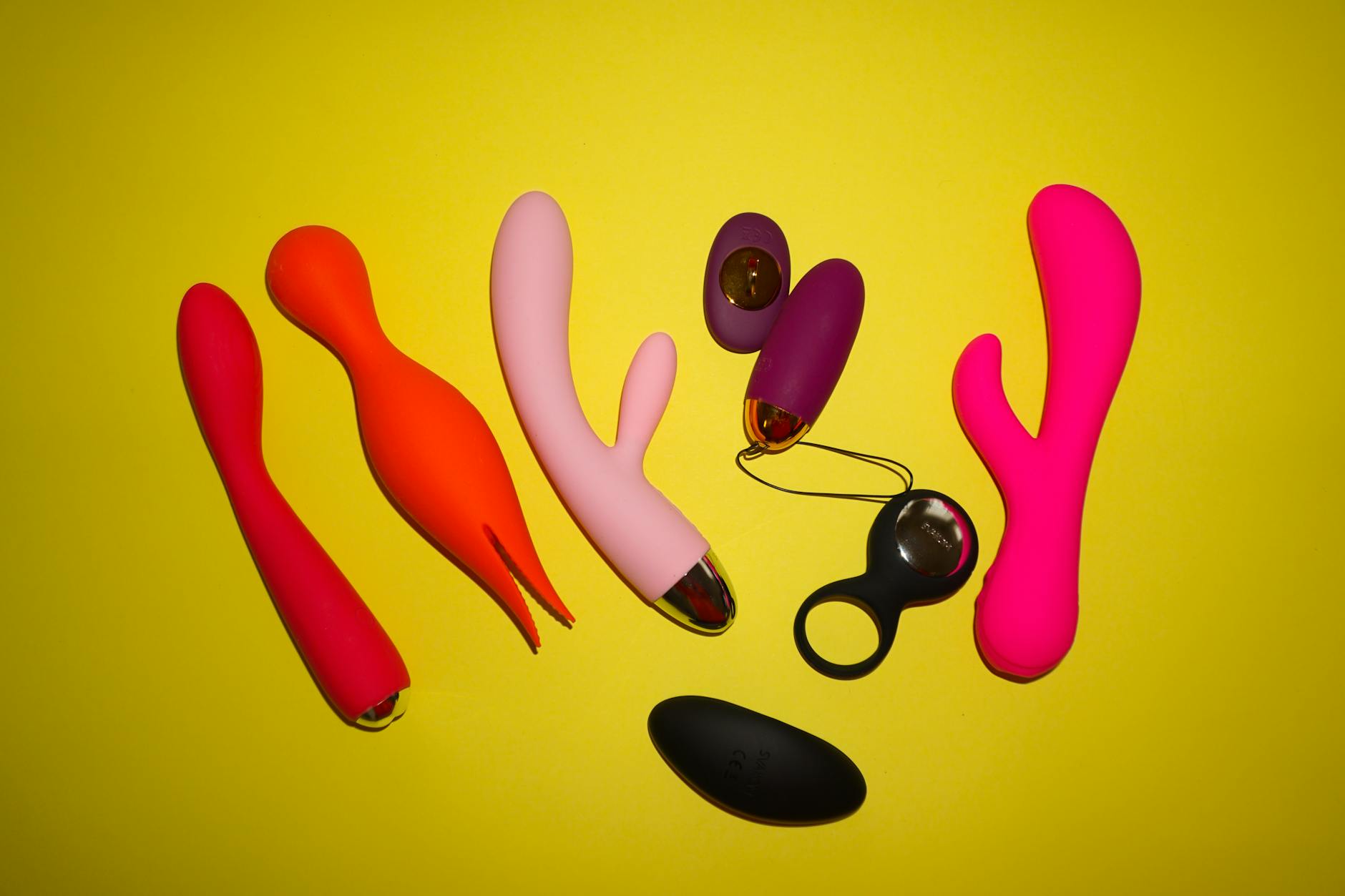
Let's be honest about the tension
You have a lemon vibrator, or you want one. Your partner doesn't know. And now you're stuck in that awful middle space where solo pleasure feels like it belongs in a locked drawer instead of just being part of your life.
Here's what I know from years of working with couples: this situation doesn't stay static. It either resolves through communication, or it builds into resentment. There's no neutral ground where secrets about pleasure just peacefully coexist forever.
So let's unpack what's actually happening and what you might do about it.
Why the secrecy feels necessary (even when it isn't)
Most people hide toys for one of three reasons. First, fear that a partner will interpret solo play as rejection. Second, genuine uncertainty about how the other person will respond. Third, past experience with judgment or control around pleasure.
The first two are solvable. The third is a relationship problem that goes way deeper than a lemon vibrator.
But here's the thing: many of us carry shame about solo pleasure that doesn't actually belong to us. We absorbed it from families, religious upbringings, or partners who made it clear that their pleasure mattered more than ours. A clitoral vibrator becomes proof of that shame instead of just a tool.
So before we talk about what to do, I want to be clear: your solo pleasure is yours. Full stop. You're not betraying anyone by touching yourself with or without a toy.
What actually changes when you're in a relationship
This is where most couples get tangled. They think the presence of solo play threatens the relationship. It doesn't. What threatens a relationship is lying about it.
Solo pleasure and partnered sex are different activities with different purposes. A lemon vibrator isn't competing with your partner. It's doing something specific that partnered sex may not do. Maybe you want an orgasm without the performance of being with someone else. Maybe your body responds differently when you're alone. Maybe you want stimulation that's physically impossible with a partner.
None of those are statements about your partner. They're statements about your body's actual needs.
When couples understand that distinction, everything shifts. The toy stops being a threat and becomes just another tool in the relationship.
The real question: Why keep it secret?
I ask this gently, but directly. If your partner would be hurt to know you use a lemon vibrator, what does that tell you about the relationship?
It might tell you that your partner has their own shame around pleasure. It might mean they have control issues. It might mean you haven't built enough trust to be vulnerable about something that matters to you. Or it might mean the relationship isn't safe for the whole of who you are.
All of those are worth examining. None of them are solved by hiding.
The couples I work with who have the most resilient sex lives are the ones who can say, out loud, "I use a vibrator. It helps me understand my body. It's part of my pleasure. I want to include you when that works, and sometimes I want time alone with it." Partners who respond well to that usually say something like, "Okay. I want you to feel good. What do you need from me?"
Partners who respond poorly usually reveal something else going on. Maybe they're insecure. Maybe they need reassurance. Maybe they need to talk to someone about their own sexuality. But at least you know what you're actually dealing with.
How to think about integration (if that's what you want)
You don't have to tell your partner. That's always true. Bodily autonomy is real. But if you want to move toward openness, here's a realistic path.
Start small. Not with the vibrator yet. Start with the concept. In a calm, non-sexual moment, mention that you've been thinking about solo pleasure and how much it matters to you. Notice what comes up. Does your partner assume this is about them? Do they feel rejected? Do they shut down?
If the response is shame or control, that's information. That's a couples therapy conversation, not a toy conversation.
If the response is curiosity or openness, you can move to the next step. Tell them you've been using a lemon vibrator for solo play. Describe what it does. Keep it factual. "It uses suction stimulation, and it gives me a different kind of orgasm than penetration does."
Then ask what they need to hear. Sometimes partners just need reassurance. "This doesn't mean I don't want you." "I still want you to touch me." "This is about me knowing my body better, which actually helps our sex life."
All of those things might be true.
When your partner wants to be involved
Some partners respond with genuine interest. They want to watch, or help, or incorporate the toy into partnered sex. That's a beautiful outcome if you want it.
If you do use a lemon clitoral vibrator together, remember that the dynamic changes slightly. Solo play is about your rhythm and your pleasure. Partnered play with a toy is about communication. Tell your partner what feels good. Let them adjust based on your responses. If it feels performative or pressured, pause and reconnect.
Many couples find that having a toy actually improves their sex life because it takes the pressure off the partner to be the only source of pleasure. The vibrator can do what it does best. The partner can do what they do best. And you get pleasure from both.
What if you decide to keep it private
That's okay. But I want you to think about the cost. What are you protecting? What are you losing?
Privacy is different from secrecy. Privacy is "I have solo time and I value it." Secrecy is "I'm hiding something because I'm afraid."
If you're genuinely choosing privacy without shame, that's sustainable. You use your toy when you have space, you're not anxious about being discovered, and you're not building resentment about having to hide.
But I've worked with enough couples to know that the anxiety usually wins eventually. You start hiding other things. You feel less intimate with your partner. You wonder what else you can't be honest about.
That's when the secret becomes a problem.
The stuff that actually matters
Your pleasure is not about your partner. It's yours. Solo play with a toy like the Lem isn't replacing them. It's you taking care of yourself.
If your relationship can hold that truth, you're in good shape. If it can't, you have two choices: work on the relationship, or accept the cost of the secret.
Neither choice is wrong. But they're both worth making consciously instead of just defaulting to the scared version where you pretend the vibrator doesn't exist.
You deserve a relationship where your pleasure isn't shameful. Whether that means being open about solo play or finding a partner who gets it, that's the standard.
FAQ: The questions couples actually ask
Is it normal to want solo pleasure when you're in a relationship?
Completely. Solo play and partnered sex serve different purposes. Solo pleasure is about understanding your own body, stress relief, and sometimes just wanting an orgasm without the negotiation of partnered sex. About 70% of people in committed relationships use toys at least occasionally. You're not unusual or unfaithful.
Will my partner feel replaced if I use a vibrator?
Some do at first, until they understand that a toy and a partner do different things. A vibrator can give you specific types of stimulation consistently. A partner offers presence, connection, and variation. If your partner is feeling replaced, that's usually about their own insecurity, not about the toy. That's a conversation to have, possibly with a therapist.
Should I ask permission before using a toy?
No. You don't need permission to touch your own body. You do need to decide whether you want to be honest about it. If you choose honesty, that's a conversation, not a request for approval. "I use a vibrator for solo play" is a statement of fact, not a question.
What if my partner gets angry?
That's concerning. Anger about your solo pleasure suggests control issues or very deep shame about sex. A single conversation about a toy shouldn't trigger anger unless there's something bigger happening in the relationship. If anger is the response, couples therapy is worth considering before deciding what to do next.
Can we use a lemon vibrator together if my partner didn't know I had one?
Yes, if you both want to. The conversation might sound like, "I've been using this for solo play and I really like it. I'd love to show you what it does and maybe use it together sometimes." Some partners are actually excited by this transition. Others need time to adjust to the idea. Go at the pace that feels right for both of you.
How do I bring this up without making it weird?
Pick a calm moment, not during or right after sex. Avoid accusatory language like "I had to hide it because you'd judge me." Instead, try something like, "I've been thinking about pleasure and what helps me feel good. I use a vibrator and I want you to know that. I also want to know how you feel about it." Then listen without defending. That's the whole conversation at first.
The real shift happens when you stop hiding
I've worked with couples who went from secrecy to openness, and the shift is always the same. Sex gets better. Intimacy deepens. Not because the toy magically fixes things, but because honesty does.
Your partner doesn't have to be thrilled about every aspect of your sexuality to be a good partner. They do need to respect your right to it. If they can't, that's worth knowing.
A lemon vibrator is small and simple. But how you handle it says something real about your relationship. Use that moment to build toward the kind of intimacy where you can be fully yourself.
That's the goal. The toy is just along for the ride.