How Lemon Vibrators Help When Pelvic Floor Tension Makes Pleasure Painful
Your pelvic floor muscles are clenching. That's why touch feels sharp. Here's how air-suction stimulation and intentional relaxation can rewire the experience.
Here's the thing: if pleasure feels sharp, burning, or impossible to reach, you might assume your body is broken. Often what's actually happening is your pelvic floor muscles are locked in a chronic clench. Think of it like a fist that won't open. No matter how much stimulation arrives, a tight pelvic floor interrupts the signal.
Your pelvic floor is a hammock of muscles that support your bladder, uterus, and bowel. When these muscles tighten (whether from stress, trauma, anxiety, or years of holding tension), they affect pleasure in three immediate ways.
First, they literally squeeze the tissues around your clitoris, making direct pressure feel painful rather than pleasurable. Second, they restrict blood flow to the area, which means arousal builds slowly or not at all. Third, they can trigger pain signals that override pleasure signals to your brain. So you're not broken. Your nervous system is protecting you from what it perceives as a threat.
The confusion starts because many people think they're supposed to tighten their pelvic floor during sex (thanks, Kegel marketing). That's partially true. But if your baseline is already tight, adding more tension is like pressing the brake and gas at the same time.
A standard vibrator delivers intense, repetitive pressure directly to tense tissue. For someone whose pelvic floor is already clenched, this can feel abrasive or even painful. The body responds by tightening further. You end up in a feedback loop: tension creates pain, pain creates more tension.
This is where air-suction stimulation changes the equation. Unlike vibration, suction works by creating rhythmic pressure waves that stimulate nerves without the same direct friction. It feels gentler, broader, and less localized. More importantly, the sensation often naturally triggers the pelvic floor to release rather than clench.
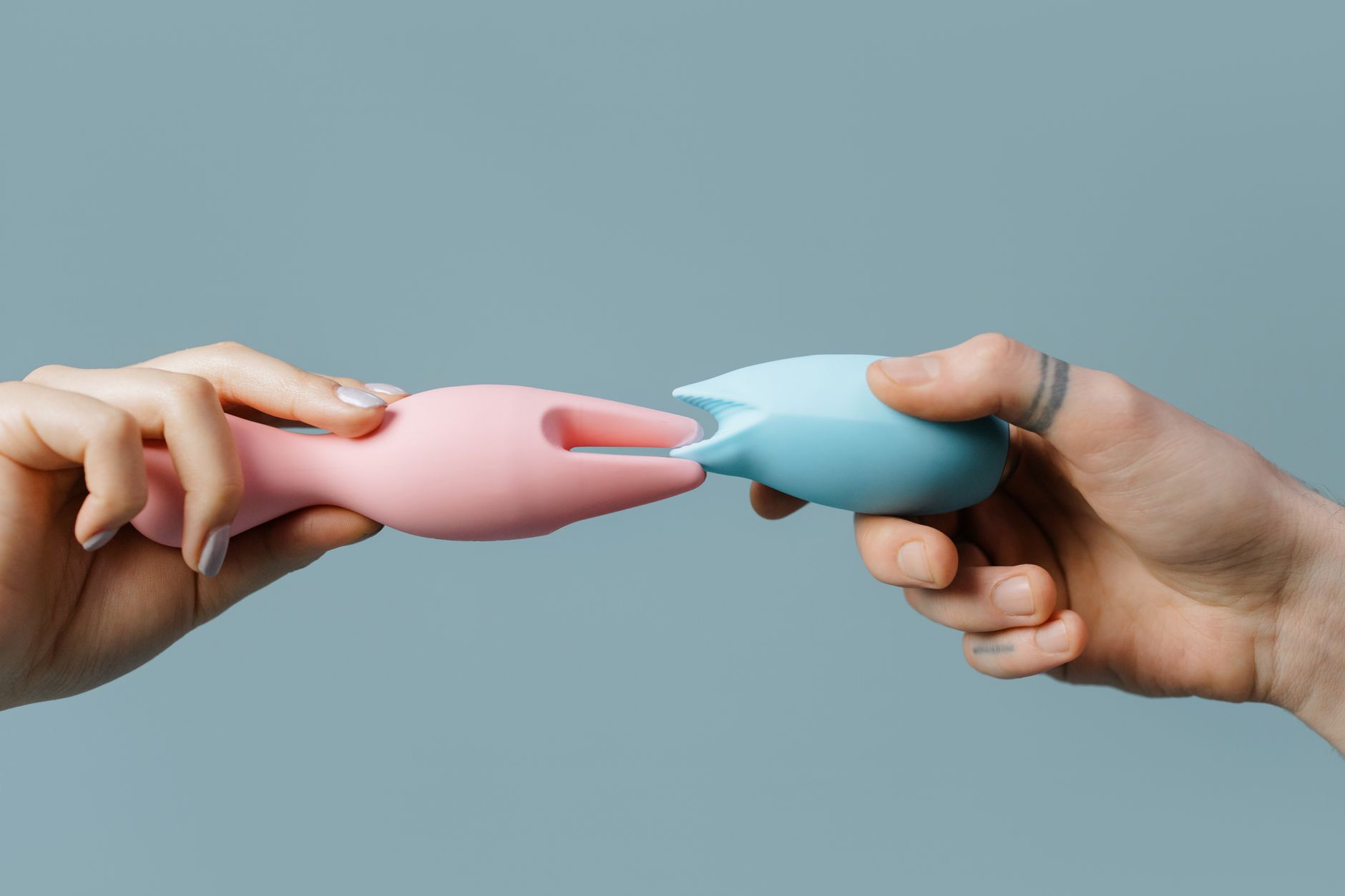
With a lemon clitoral vibrator like the Lem, you're not hammering tight tissue. You're inviting it to soften.
The Lem uses gentle suction and pulse patterns that stimulate the clitoris in a way that feels almost like a soft mouth. This matters for someone with pelvic floor tension because the sensation is less invasive. There's no sharp pressure, no relentless vibration, just rhythmic waves.
Start on the lowest setting. Spend 10-15 minutes not trying to orgasm, but noticing what your pelvic floor is doing. Is it clenching? Soften it. Imagine your pelvic floor as an elevator descending slowly with each breath. This sounds simple, but it's the real work.
Many of my clients report that their pelvic floor naturally relaxes during suction in a way it never did with vibration. The stimulation feels permission-giving rather than demanding.
You can't think your pelvic floor into relaxing. You have to breathe it open.
Here's the pattern that works: inhale through your nose for a count of four, letting your belly expand. As you exhale, imagine your pelvic floor dropping. Not clenching. Not holding. Dropping, like an elevator going down. Do this five times before you even touch yourself. Then do it during stimulation.
The reason this works is neurological. Your pelvic floor is wired to the vagus nerve, which controls your parasympathetic nervous system (rest and digest mode). Slow, deep breathing activates that system. A tight pelvic floor is a sympathetic response (fight or flight). When you breathe slowly and deeply, you're telling your nervous system it's safe to relax.
Combine this breathing with gentle suction from a lemon vibrator, and you're essentially giving your body permission to unclench on a muscular and neurological level.
If your pelvic floor tension comes from trauma or anxiety, sometimes even thinking about touch triggers a clench. This is a normal protective response. Progressive desensitization means slowly teaching your nervous system that sensation is safe.
Start with clothed touch. Use your lemon clitoral vibrator over your underwear. You're not trying to feel intense pleasure. You're just collecting data about what your pelvic floor does when it's not directly stimulated.
After a few sessions, move to skin contact but keep the intensity at level one or two. Still not trying to orgasm. Just noticing. Over weeks, you can slowly increase sensation as your pelvic floor learns that touch is safe.
This might sound tedious, but it's exponentially faster than years of white-knuckling through pain. Your body learns through repetition that pleasure doesn't have to be intense to be real.
If you have a partner, the conversation matters more than the mechanics. Tell them: "My pelvic floor tightens under pressure. I'm learning to relax it. This isn't about you. I need patience and very gentle touch while I figure this out."
Many partners respond with relief. They've often noticed pain or stiffness too and didn't know how to address it. Having a framework (pelvic floor tension is real, suction feels better than vibration, breathing helps) gives you both something concrete to work toward.
Some couples find that using the Lem together, with the partner observing the pelvic floor's response, creates a kind of teamwork around pleasure. The focus shifts from performance to exploration. That shift alone often loosens what years of pressure couldn't.
If you've tried breathing and gentle stimulation for four to six weeks and nothing's shifted, pelvic floor physical therapy is worth exploring. A PT can teach you manual techniques to release chronic tension, identify which specific muscles are stuck, and create a progression plan.
This isn't weakness. It's applied anatomy. Some tension patterns need hands-on help to unwind. A good pelvic floor PT will often recommend tools like the Lem or other gentle vibrators alongside the work they're doing with you.
Think of it like physical therapy for any other chronically tight muscle. You wouldn't just stretch a tight shoulder forever. You'd see someone. Your pelvic floor deserves the same professional attention.
Here's something I see repeatedly: once the physical tension starts to ease, emotional stuff surfaces. Grief, anger, relief, sometimes a flood of sensation you haven't felt in years.
This is normal. Your pelvic floor holds tension from stress, trauma, and unexpressed emotion. As it releases, that material can come up. You might cry during or after pleasure. You might feel strange emotions that don't make logical sense.
That's not a sign something's wrong. That's healing. Your body is processing what it's been holding. Go slow. Use lemon vibrators as a tool for reconnection, not as a way to push through emotion. If it feels like too much, pause. Breathe. Come back another day.
It depends on how long you've been holding the tension and what caused it. Some people feel significant relief within two to three weeks of daily breathing and gentle stimulation. Others need two to three months. Trauma-related tension often takes longer because your nervous system needs time to feel safe. The key is consistency over intensity. Ten minutes a day of intentional breathing and gentle use of a lemon clitoral vibrator usually works faster than occasional intense sessions.
Yes. Chronic pelvic floor tension can cause aching, pressure sensations, lower back pain, or pain during penetration even when nothing's touching the area directly. This is because the muscles are pulling on surrounding ligaments and tissues. If you're experiencing non-sexual pelvic pain, that's a sign to see a pelvic floor PT or gynecologist. The breathing and suction techniques help, but professional assessment matters for ruling out other issues.
For most people with pelvic floor tension, yes. Air-suction toys like the Lem create broader, gentler stimulation that's less likely to trigger protective clenching. Traditional vibrators deliver focused pressure, which often worsens tension initially. That said, every body is different. Some people find that very low vibration settings work fine once the pelvic floor starts relaxing. The point is to start gentle and notice what your body's response actually is, not what you think it should be.
That's often a psychological safety issue rather than a purely physical one. Touch from another person can trigger protection instincts even when you logically trust them. A vibrator is an object, so it doesn't carry the same vulnerability signals. If this is happening, it's worth exploring with a therapist or sex therapist. Sometimes the pelvic floor is responding to anxiety, unresolved relationship dynamics, or embedded patterns from past experiences. Addressing that layer alongside the physical work usually helps the partner dynamic shift.
Vaginismus is involuntary clenching of the vaginal muscles, often triggered by anticipated penetration. Clitoral vibrators like the Lem can absolutely help because they avoid penetrative pressure. Many people with vaginismus find that external clitoral stimulation feels safe when internal touch triggers the reflex. That said, vaginismus usually benefits from both physical and psychological approaches, including breathing techniques, pelvic floor PT, and sometimes therapy. A vibrator is a tool, not a cure by itself.
Slow breathing activates your parasympathetic nervous system, which is the brake on your stress response. When your nervous system feels safe, your muscles naturally relax. This is neurobiology, not wishful thinking. Studies show that slow, deep breathing (especially longer exhales) significantly reduces pelvic floor tension over time. Pair it with gentle stimulation from a lemon clitoral vibrator, and you're training your nervous system and your muscles simultaneously to associate sensation with safety.
If pelvic floor tension has stolen pleasure from you, the instinct is to push through it. Fight harder. Try more intense toys. That usually backfires. The actual path forward is the opposite: slower, gentler, more intentional.
Start with breathing. Add a lemon vibrator on the lowest setting. Notice what your pelvic floor does. Repeat. Over weeks, you'll feel the difference. The tissue will soften. Touch will feel different. Pleasure will become possible again.
This isn't about forcing yourself to feel good. It's about removing the obstacles so your body can feel what it naturally wants to feel. That's the work that actually sticks.