Let's start with the honest part
Your body can tell the difference between pleasure and obligation. When you're having sex because you think you should, because you're running late, or because your partner is waiting, your nervous system is already halfway out the door. Pleasure doesn't happen in that state. Arousal does. Wetness does. Orgasm might even happen. But actual pleasure. The thing that makes sex worth wanting. That requires something pressure can't give you: time, choice, and permission to move at your own pace.
Here's what I see in my office constantly: someone whose partner says "let's have sex," and their first thought is "how fast can I make this happen?" That mental timer running in the background is doing more damage to your pleasure than almost anything else.
Why pressure kills pleasure at the nerve level
When you feel rushed, your sympathetic nervous system activates. That's the fight-or-flight response. Blood redirects away from your genitals and toward your large muscles. Arousal stalls. The clitoris, which is basically a nerve-dense pleasure center, needs parasympathetic activation (that's your rest-and-digest state) to wake up properly. Pressure works against that biologically.
Many of my clients who feel like their pleasure has "gone missing" actually have a fully functional nervous system. What's missing is permission. Permission to take 20 minutes to warm up. Permission to say no. Permission to explore pleasure solo, without the clock ticking.
This is especially true if sex has become transactional in your relationship. A quick checkmark on a to-do list. If that's been your pattern for months or years, your body has learned that sex equals obligation, not pleasure. Rewiring that takes deliberate practice.
Why lemon clitoral vibrators reset the equation
Here's what's useful about a lemon vibrator or any high-quality clitoral vibrator: it removes the performance pressure. You're not waiting for someone else to get you there. You're not managing their experience. You're not wondering if you're taking too long. It's just you, your body, and a tool designed to help you feel good.
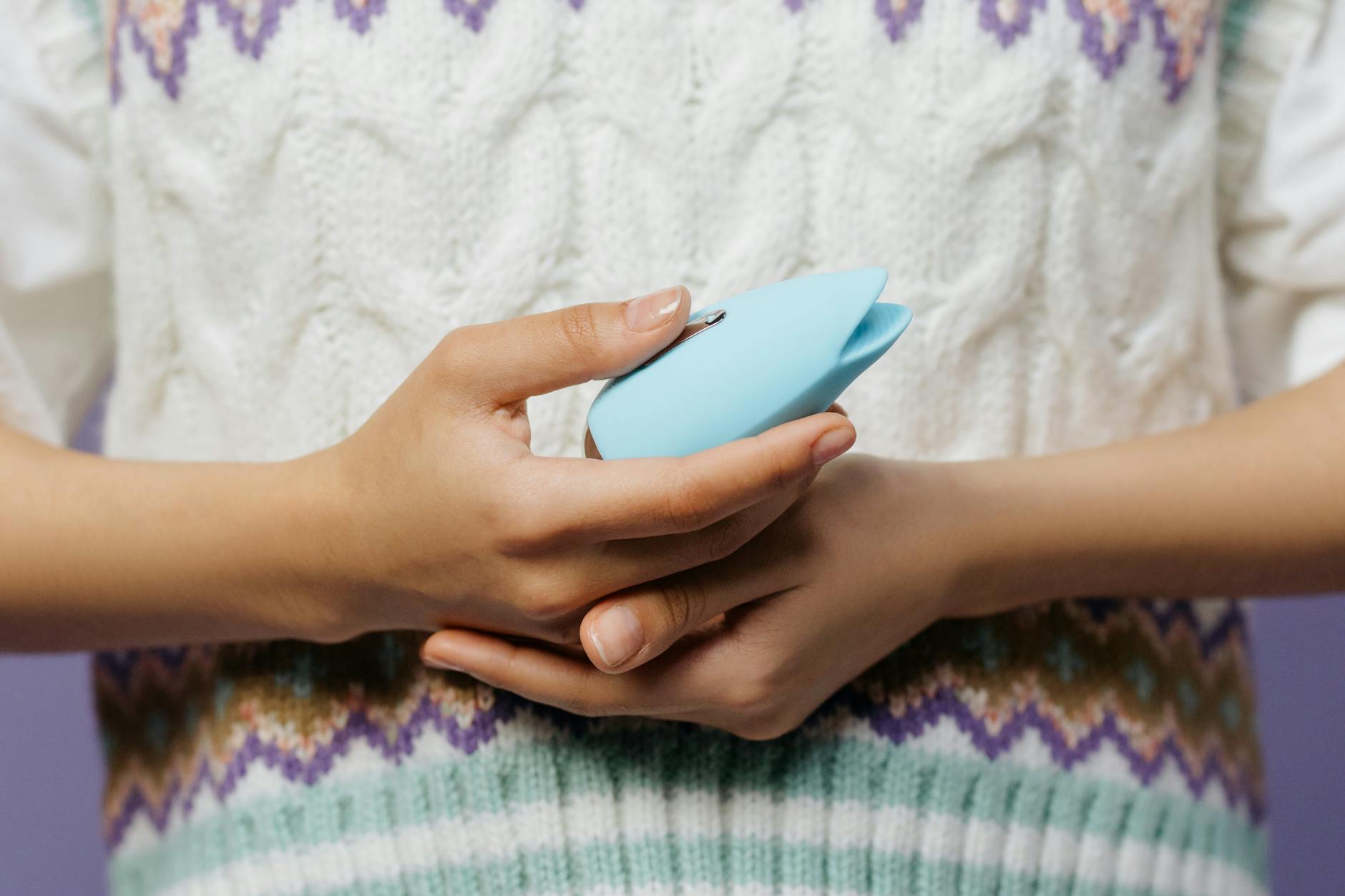
The Lem vibrator specifically uses gentle suction patterns that mimic the natural rhythm of arousal. You can start on the lowest setting and spend as much time as you want exploring what feels good. There's no goal other than sensation. No finish line. That absence of pressure is where pleasure actually lives.
When you use a lemon vibrator solo, you're also gathering data. You're learning what your body needs, how long actual warm-up takes, which patterns feel best. That knowledge is gold. It lets you communicate more clearly with a partner: "I need 15 minutes of this, and then I'm ready." Suddenly you're not mysterious or broken. You're just someone with realistic pleasure requirements.
The difference between solo pleasure and partnered pressure
There's a reason people often have better orgasms alone. No one's waiting. No one's watching the clock. No one's getting bored. Your brain isn't running a background thread of "am I taking too long" while simultaneously trying to feel good.
Solo time with a clitoral vibrator gives your nervous system a safe place to practice arousal without stakes. You can take 5 minutes or 45 minutes. You can stop and start. You can change your mind. All of that teaches your body that pleasure is negotiable, not urgent.
Then, when you bring that knowledge back to partnered sex, things shift. You're not relying on someone else's touch to get you there. You know your own rhythm. You can guide them. You can use the vibrator together. You can stop if it feels rushed and explain what you actually need.
How to use a lemon vibrator when you're learning to slow down
Start with the lowest setting. Seriously. The Lem has multiple intensities and patterns. Spend a full session just on pattern 1. Your job isn't to orgasm quickly. Your job is to notice sensation. What does this feel like on the left side of your clitoris? The right? Direct contact or with clothing on top? How does it change your breathing?
Set a timer for 10 minutes if you need permission to not rush. Just those 10 minutes of sensation, no goal. Many people find that removing the pressure to finish actually speeds up arousal because your nervous system finally relaxes.
Use this as a reset before partnered sex too. Spend 15 minutes with your vibrator first. Get your nervous system into parasympathetic mode, into pleasure mode. Then bring that calm arousal to your partner. You're not starting from zero pressure. You're starting from a place that already knows what good feels like.
Talking to your partner about slow pleasure
This is the harder part, honestly. Because what you're really saying is "sex as currently configured doesn't work for me" and that can feel confrontational even when it's not meant to be.
Frame it this way: "I want to enjoy sex more. That means I need us to slow down sometimes. Can we try it?" You're not criticizing them. You're asking for a different approach that serves you both better.
Many partners are actually relieved to hear this. Because rushing sex is often about anxiety too. Anxiety that they're not doing it right. Anxiety about lasting long enough or moving fast enough. Slowing down gives them permission to relax too.
Consider using a clitoral vibrator together. Hand it to your partner. Show them where and how you like it used. Suddenly you're collaborating on your pleasure instead of performing for approval.
When pressure becomes a pattern worth examining
If sex always feels rushed, even when you have time, something else might be going on. Resentment. Disconnection. Unspoken anger at your partner. Sometimes the rush isn't about logistics. It's a subconscious way of not being fully present because being present feels unsafe or uncomfortable.
That's worth exploring, ideally with a therapist. But the practical reset still starts the same way: solo time with a vibrator that reminds your nervous system what pleasure actually feels like when there's no pressure attached. That baseline of "oh, my body CAN feel good when I'm not rushing" is the foundation for everything else.
The long game: rebuilding pleasure as a priority
If you've been operating in rushed-sex mode for years, your nervous system has learned that pleasure isn't safe or possible in that context. Rebuilding takes time and repetition. Using a lemon vibrator regularly, solo, is one of the most effective ways to tell your body "pleasure is allowed now. We're not rushing anymore."
Then slowly, slowly, you bring that permission into your partnered life. A partner who's willing to slow down with you. Sex that has a beginning, a middle, and an ending that isn't always tied to an orgasm. Time that feels genuinely yours, not borrowed from someone else's schedule.
Your pleasure matters. Not as a side effect of partnered sex. As a priority in its own right. A clitoral vibrator is a tool for remembering that.
People also ask
Can a lemon vibrator actually help if pressure is the main issue?
Yes. When you use a clitoral vibrator solo, you're practicing arousal without performance pressure. Your nervous system learns that pleasure is possible in a low-stakes environment. That's the foundation for changing how you respond to pressure in partnered contexts. You're not fixing pressure itself. You're rebuilding your baseline, and then you can show your partner what that looks like.
How long does it take to feel less rushed during sex?
Some people notice a shift after a few solo sessions with a vibrator. Others need weeks of practice. The key is consistency and genuinely releasing the goal of orgasm. If you're still timing yourself or pushing toward a finish line, you're still in pressure mode. The slowdown happens when you actually give yourself permission to take as long as you need.
Should I use a vibrator with my partner if I'm worried about them feeling left out?
That's a common concern, and it's worth addressing directly. Tell them: "Using this helps me feel good, which makes partnered sex better for both of us." You can involve them. Hand them the vibrator. Show them how to use it on you. Integrate it into your shared experience instead of using it as a solo escape. Many partners find that collaborative vibrator use actually deepens the experience.
What if my partner says I'm taking too long and rushes me?
That's a bigger conversation than the vibrator. If your partner consistently pressures you during sex despite you asking for space, that's a respect issue, not a pleasure issue. A good partner wants you to feel good, even if it takes longer. If that's not happening, consider couples counseling. You deserve a partner who's willing to slow down.
Is it normal to feel guilty using a vibrator when my partner wants to have sex?
Completely normal, and worth untangling. That guilt often comes from internalized ideas that partnered sex is "real" and solo pleasure is selfish or weird. It's neither. Solo time with a vibrator is how you learn your own body and rebuild pleasure in a low-pressure environment. That knowledge benefits your partnership. Using a vibrator isn't replacing your partner. It's preparing you to be more present and responsive with them.
Can lemon vibrators help if I'm numb to sensation during sex?
Often, yes. Numbness is sometimes about pressure too. When your nervous system is in fight-or-flight mode, sensation dulls. A vibrator on low setting can help wake up nerve endings and teach your body that it's safe to feel. How Lemon Vibrators Help When Vulva Sensation Feels Numb or Muted explores this in detail.
Slow pleasure is better pleasure
There's a reason people talk about "slow sex" like it's revolutionary. It is. For years, you might have learned that sex is something to get through, to accomplish, to finish. That pressure rewires your nervous system away from pleasure. A clitoral vibrator and genuine permission to slow down can rewire you back. Not overnight. But consistently, over weeks and months, as you practice pleasure without the clock. Your body remembers what good feels like. And then you get to bring that calm, unhurried arousal back to your partner. That's where real intimacy lives.
If you're ready to rebuild pleasure on your own terms, start here. Solo time. No goal. No timer. Just you and a tool designed to help you remember what your body already knows how to do.
Questions about how to get started or how to talk to your partner about needing more time? Reach out to us. We're here to help.