The paradox nobody talks about
You can orgasm alone. You might even orgasm reliably, quickly, intensely. But the moment your partner is in the room, your body locks. Your mind spins. Pleasure flatlines. And suddenly you're performing a version of arousal that feels borrowed from someone else's script.
This is not a reflection of how much you want your partner or how attracted you are. It's not laziness, and it's not broken wiring. It's performance anxiety doing what anxiety does best. it's hijacking your nervous system and turning pleasure into a pass/fail test.
Why your body shuts down with an audience
When someone is watching, your brain activates what I call "the spectator role." You're simultaneously trying to experience pleasure and monitor whether you're experiencing enough pleasure. You're watching yourself be watched. That dual awareness alone kills arousal because the neural pathways that fire during solo pleasure are completely different from the ones that activate when another person is present.
Add in the pressure (real or imagined) that your partner expects you to come, and you've created a biological paradox. Orgasm requires surrender. Performance requires control. You can't do both at the same time.
What makes this worse is that the harder you try to push through it, the deeper the anxiety embeds. You start to believe the story that you "can't" come with a partner. Your nervous system begins to expect failure. After a few attempts, your body preemptively shuts down because it's learned that this situation equals disappointment.
How lemon vibrators reset the dynamic
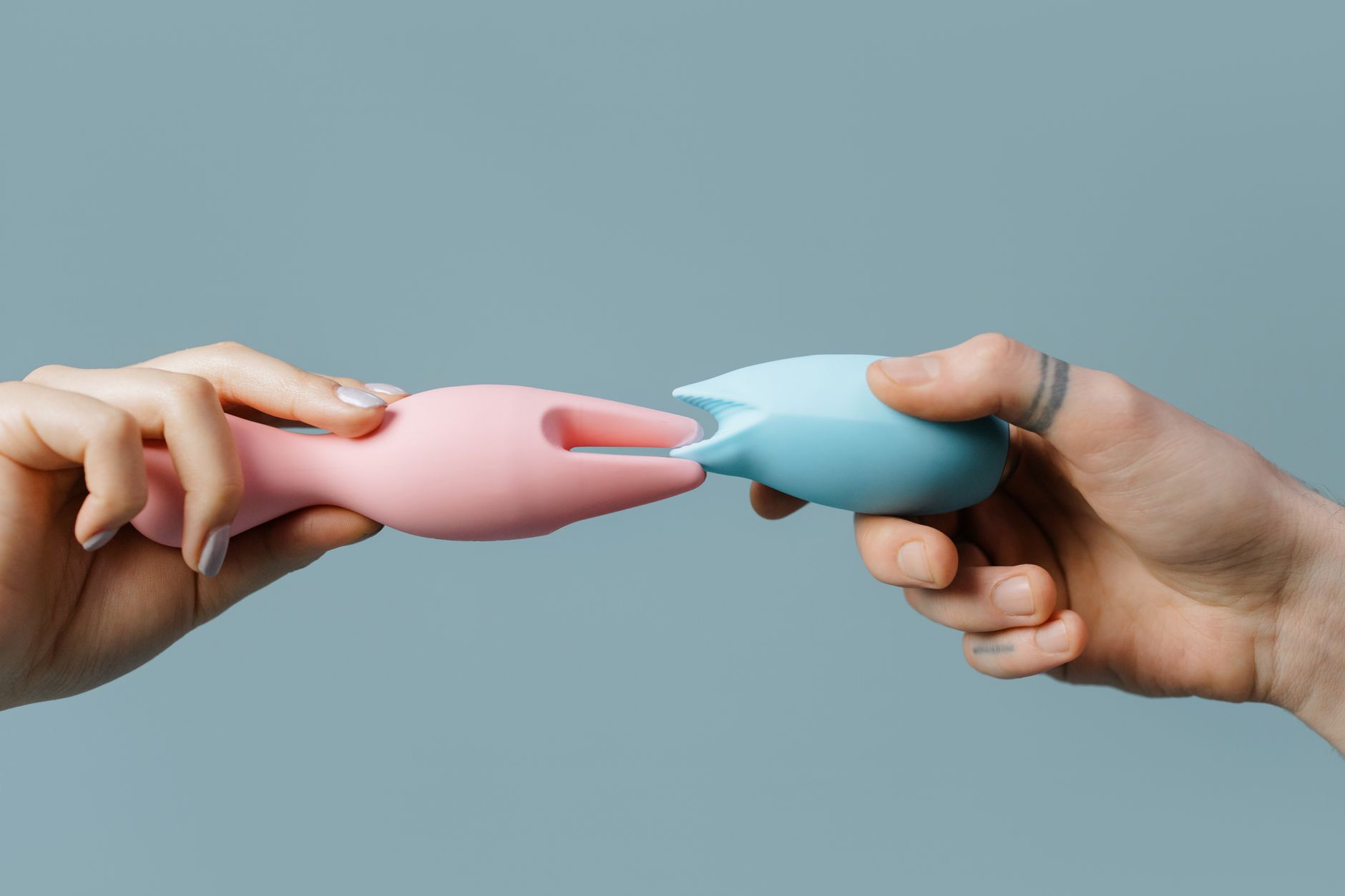
This is where clitoral vibrators like the Lem work differently than fingers, mouths, or partnered touch. The suction mechanism of a lemon vibrator creates consistent, external stimulation that doesn't require your partner to "perform." It removes the pressure dynamic entirely.
Here's what changes: Instead of your partner watching to see if you're climaxing, they're watching you use a tool. The focus shifts from "Am I doing this right?" to "We're using this together." That small semantic shift unlocks something.
The Lem's design also means your partner doesn't need to maintain a specific rhythm or pressure. The toy handles the consistency. Your partner can just be present, which is actually all most people want anyway. They want to watch you feel good. They don't need to be the sole source of that sensation.
Building tolerance for shared pleasure
Introducing a lemon clitoral vibrator with your partner works best when you frame it as exploration, not solution. "I want to try something with you" is different from "I need this because I can't come." The first invites curiosity. The second invites pressure.
Start by using your vibrator solo while your partner is nearby but not directly watching. Maybe they're reading in bed next to you. Maybe they're in the next room and you know they're there. This is exposure therapy for your nervous system. Your body learns that pleasure + partner's presence = safe.
After a few sessions, move to them being present in the room but not touching you. Then gradually introduce them touching you while you use the vibrator. The incremental approach matters because you're rewiring your nervous system's threat response, and that takes repetition.
Using the vibrator during partnered sex
Once you've built some tolerance, you can integrate the lemon vibrator into actual sex. This might mean using it during foreplay while your partner stimulates you elsewhere. It might mean using it during penetration. It might mean your partner using it on you while you focus on feeling rather than performing.
The key is maintaining the frame that the toy is here to help both of you feel good, not to fix you. When your partner can hold that frame confidently, your nervous system relaxes. And when your nervous system relaxes, orgasm becomes possible again.
Many of my clients find that once they've had one successful orgasm with their partner and a vibrator present, the anxiety begins to dissolve. Your body gets proof that it's possible. The catastrophe story your mind was telling loses its grip.
The conversation beforehand matters more than the toy
Introducing a lemon vibrator without talking first usually backfires. Your partner surprises you with one, meaning well, and you feel seen as broken. Or you bring one out and your partner hears it as criticism of their touch. Neither is true, but the story gets in the way.
Before you introduce the toy, have a conversation about performance anxiety specifically. Tell your partner what happens in your body when they're watching. Explain that it's not about them. Explain that you want to try something that might help both of you feel less pressured.
If your partner responds defensively ("So my touch isn't enough?"), that's useful information about what's actually going on for them. Their own insecurity might be part of why you freeze up. That conversation is separate from introducing the vibrator, but it needs to happen.
When solo play is still the safer option
Some people need more time. Some people need a partner who has done their own emotional work around pleasure and vulnerability. Some people are in relationships where introducing a toy genuinely isn't safe or welcomed, and that's information too.
If you're not ready to use a lemon vibrator with your partner, that's fine. Keep using it solo. Build your confidence in your own orgasm. That foundation matters more than the shared experience. You can't relax into pleasure with another person until you've already relaxed into it alone.
But if you want partnership to include sexual pleasure, and right now it doesn't, a clitoral vibrator is one of the most effective tools for breaking that pattern. Not because you're broken. Because your nervous system learned to associate partnership with pressure, and tools can help you teach it something different.
Performance anxiety isn't a character flaw. It's a nervous system that's gotten confused about safety. Lemon vibrators help you have the conversation your body needs to hear.
Troubleshooting the awkward moments
When you first introduce the Lem or another lemon sucker vibrator, there will be awkwardness. That's normal. Your partner might not know where to look. You might feel self-conscious. The moment might feel clinical instead of sexy.
This is where communication saves you. "This feels weird for both of us right now" is actually connecting. Your partner saying "I want to watch you use this" reframes it from clinical to intimate. Giving yourself permission for the first attempt to be awkward means you're not adding shame on top of the anxiety you already have.
Many couples find that after the initial weirdness passes, using a vibrator together actually increases intimacy. You're showing your partner what your body needs. They're witnessing your pleasure directly. That's vulnerability in its most useful form.
FAQ
Can my partner use a lemon vibrator on me if I usually can't orgasm with them?
Yes, but approach it gradually. Start with the vibrator in your control so you can adjust pressure and rhythm to what feels good. Once you're comfortable, your partner can take turns controlling it. The shift from you directing to them directing mirrors the shift from solo to partnered pleasure, and taking it slow helps your nervous system adjust.
Will using a vibrator make it harder for me to orgasm without one?
No. Vibrators don't desensitize you in the way that myth suggests. What actually happens is you build a new pathway to orgasm alongside your existing ones. Your body gets more flexible, not less. For people with performance anxiety, the vibrator often becomes a bridge that eventually you can walk away from.
What if my partner feels threatened by the vibrator?
That's a conversation about their own insecurity, not about the toy. You might say something like, "This isn't about you not being enough. It's about my nervous system needing help right now. I want us both to feel good." If your partner refuses to engage with that conversation, that's meaningful information about the relationship. A good partner wants your pleasure, even if it requires tools they didn't provide.
How long does it usually take to stop having performance anxiety?
It depends on how deeply the pattern is embedded. Some people notice a shift after two or three successful experiences. Others need months of consistent positive feedback to their nervous system before the anxiety really releases. The timeline matters less than the consistency. Keep showing your body that pleasure with your partner is safe, and it will eventually believe you.
Is there a lemon clitoral vibrator that's easier for couples to use together?
The Lem is designed with partnered use in mind. Its size and shape make it easy for either partner to hold and control. Some couples prefer the Lem because it's intuitive. Others like having a smaller option like the Berri for more precision. The best choice is whatever tool feels good in both your hands.
What if I can orgasm with my partner, but it takes a really long time?
That's a different pattern than performance anxiety, though performance anxiety can certainly slow things down. If you're consistently reaching orgasm but it's taking 30, 45, or 60 minutes, a lemon vibrator can speed up the timeline without adding pressure. It also gives your partner something to do besides wait, which changes the dynamic entirely. They're participating rather than performing, and that shift often makes the whole experience feel less like a task.