The silence after closeness fades
Here's what I hear from couples in my practice most often: "We used to have great sex. Now we barely touch." The story they tell is usually the same. Life got busy. Someone stopped initiating. Resentment crept in. Now sex feels like another obligation, and neither person wants it badly enough to risk rejection.
What they don't always realize is that the sex didn't die because the relationship is broken. The relationship feels broken because the sex (and the vulnerability it requires) stopped first.
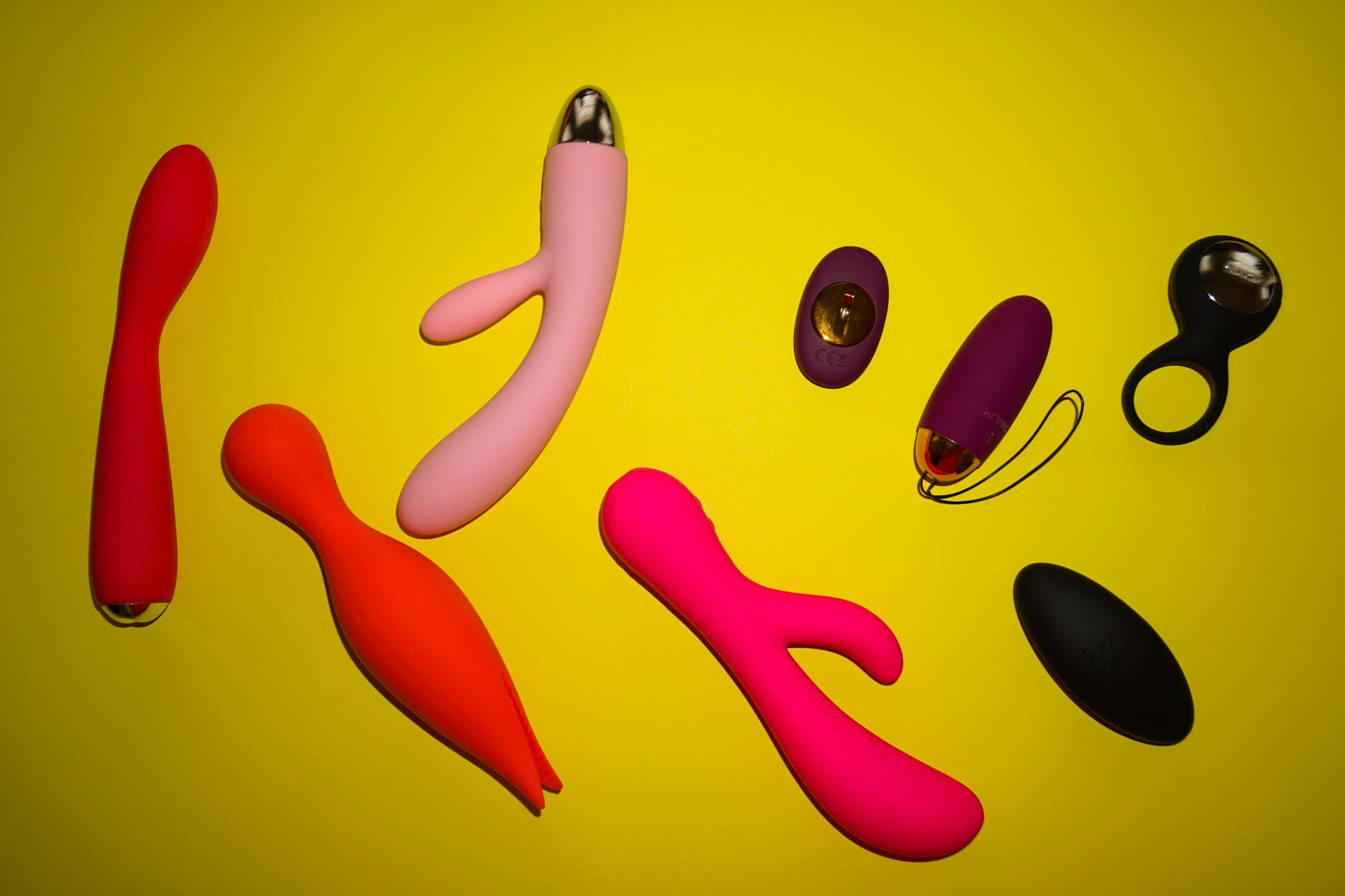
Lemon vibrators enter this picture not as a Band-Aid, but as a conversation starter. Solo pleasure, when used thoughtfully during reconnection, can actually be the bridge back to partnered intimacy.
Why solo pleasure matters during reconnection
When emotional distance happens, your body learns to protect itself. Your nervous system stops trusting that vulnerability is safe. Arousal becomes harder. Orgasm becomes a project instead of a release. You might find yourself performing pleasure instead of feeling it, which makes everything feel worse.
The weird part? Using a lemon clitoral vibrator alone, in your own space, can actually reset this. Not because masturbation is some magic cure. But because it gives you three things you've lost.
First, it gives you permission to want something just for you. After months or years of "we should have sex because it's important to the relationship," solo pleasure reminds you that your pleasure is inherently valuable. No performance, no checking in with a partner's needs, no reading the room. Just you and a device that does one thing very well.
Second, it gives you evidence that your body still works. Emotional disconnection is confusing partly because you start to wonder if the problem is you. Am I broken? Have I changed? Can I even feel pleasure anymore? A lemon vibrator, with its focused suction action, tends to create reliable, measurable sensation. You use it. Something happens. Your nervous system gets proof that desire isn't dead, just dormant.
Third, it gives you something to tell your partner about. Not in a confessional way. But in a "Hey, I've been exploring what actually turns me on these days" way. That conversation is terrifying. It's also the one most couples avoid, which is exactly why they stay stuck.
The physiology of disconnected desire
When you've been emotionally distant from a partner for a while, your arousal response doesn't just stay neutral. It actively learns to suppress itself around them. This is your nervous system protecting you from the vulnerability of wanting someone who might not want you back.
Lemon vibrators work differently than penetrative sex or partnered touch, partly because they're not about someone else's desire. They're not about timing, or performance, or feeling like you're taking up space. They're purely about stimulus and response.
The suction mechanism that makes lemon sexual toys effective for most people is especially useful here because it requires less mental energy. You don't have to coordinate movement or worry about rhythm. The device does the consistent, building work. Your brain can actually relax into sensation instead of monitoring "Am I doing this right? Is my partner enjoying this?"
That shift from partner-focused attention to self-focused sensation is not selfish. It's recalibration. Your nervous system needs to remember what pleasure feels like when there's no performance involved.
How to use this solo phase without deepening the rift
Let's be clear: secretly using a lemon vibrator while your partner doesn't know about it won't fix the disconnection. Hidden pleasure usually just deepens shame and distance.
Instead, think of it as a conscious pause in the relationship. Not a breakup. Not "I'm giving up on us." But "I need to remember what my own desire feels like, and I'm going to do that for a few weeks."
Telling your partner this is vulnerable. Here's a framework that tends to work.
"I've realized that I've lost touch with what I actually want. For a while I want to focus on that alone, not because anything's wrong with you, but because I think I need to find my own pleasure again before we can find it together. I'm not rejecting you. I'm actually trying to come back to myself so I can come back to us."
Good partners hear that as "you're trying" instead of "you're leaving."
During this phase, you might use a lemon vibrator a few times a week. The goal isn't frequent orgasms. It's consistent, solitary sensation. It's your nervous system slowly learning that vulnerability is safe, at least in your own space.
The transition back to partnered touch
After a few weeks of solo reconnection, something usually shifts. You start thinking about sex differently. Less like an obligation, more like a thing your body wants. You catch yourself thinking about your partner in that way, which you haven't in months.
This is when you might introduce the lemon vibrator to partnered sex. Not as a replacement for your partner's touch, but as an addition to it. Maybe you use it during foreplay. Maybe your partner holds it while you're together. The specifics matter less than the signal: "I'm bringing my own pleasure back into our shared space."
Lemon clitoral vibrators like the Lem are specifically designed to work well with partners because they don't require penetration or specific positioning. You can use it during intercourse. You can use it during oral sex. It doesn't replace anything your partner is doing. It just adds a layer of reliable sensation to what's already happening.
Many couples find this transition easier than jumping straight back into partnered sex because it removes the pressure. You're not waiting for your partner to provide all the sensation. You're both contributing to your own and each other's pleasure.
When this approach needs professional help
Solo pleasure and rebuilding conversation work for many couples. They don't work for all of them.
If one person is using solo pleasure as a way to avoid the emotional conversation that needs to happen, it becomes avoidance instead of healing. If someone is grieving the relationship but can't admit it, exploring pleasure alone won't fix that.
If you're in a situation where emotional distance came from betrayal, abuse, or fundamental incompatibility, lemon vibrators aren't going to bridge that gap. You need an actual couples therapist.
But if you're dealing with what I call "ordinary disconnection," the kind that happens when life gets overwhelming and partners stop reaching for each other. If you still love the person but can't remember how to want them. If you're both willing to try but don't know where to start. That's where this approach tends to help.
The real work is the conversation
Here's what lemon vibrators actually do in this scenario: they create a talking point. They give you permission to have the conversation you've been avoiding.
The vibrator itself isn't healing the disconnection. Your willingness to say "I need to feel like myself again" and your partner's willingness to give you space while you do that. That's the healing part. The lemon sucker is just the reason you finally had the conversation.
Once you're talking, the rest becomes possible. Sex becomes possible. Intimacy becomes possible. Not because you added a tool, but because you stopped pretending everything was fine when it wasn't.
Questions couples ask
Can using a lemon vibrator alone actually help a disconnected relationship?
Yes, but only if it's paired with honest conversation. The vibrator gives you permission to explore your own pleasure and creates a reason to tell your partner what you need. Without the conversation, it's just a temporary escape from the real problem.
Is it normal to feel weird about using a vibrator when things are rocky with my partner?
Completely normal. You might feel guilty, or like you're making things worse, or like you're admitting defeat. None of that is true. Reconnecting with your own pleasure is actually one of the fastest ways to reconnect with a partner because it removes the desperation from sex. You're not waiting for them to fix you. You're taking responsibility for your own sensation.
How do I tell my partner I want to use a lemon clitoral vibrator without them thinking I'm not attracted to them anymore?
Lead with honesty about what you need. "I've realized I've lost touch with what feels good to me. I want to spend a few weeks exploring that alone, not because you've changed, but because I've changed and I need to remember who I am." Most people can hear that as effort instead of rejection.
What if my partner wants to use the vibrator with me right away?
That's actually a good sign that they're willing to engage. You can ask for a solo phase first ("I need a couple weeks to reconnect with myself"), or you can jump straight to partnered use. Neither is wrong. Follow what feels right for your specific situation.
Can lemon vibrators actually work if we haven't had sex in years?
They can be part of the restart, but years of no sex usually means years of unprocessed disconnection. You might need to talk to a couples therapist alongside exploring pleasure. The vibrator is a tool, not a substitute for actual relationship work.
How long does it usually take to feel reconnected after using solo pleasure again?
Every couple is different, but I usually see people start wanting sex again within 3-4 weeks of consistent solo exploration combined with honest conversation. The reconnection speeds up dramatically once both people feel like they're choosing the intimacy instead of obligating themselves to it.
The bottom line
Relationship disconnection doesn't get fixed by a toy. It gets fixed by one person deciding to reconnect with themselves, another person respecting that decision, and both people willing to have the scary conversation that comes next. Lemon vibrators just make the decision easier because they give you permission to prioritize your own pleasure for once. And that, weirdly enough, is often what it takes to make room for someone else again.
If you're stuck in that disconnected space and unsure how to start, you might text a therapist or email us at /contact to talk through how to initiate this with your partner. You deserve intimacy. Both kinds.