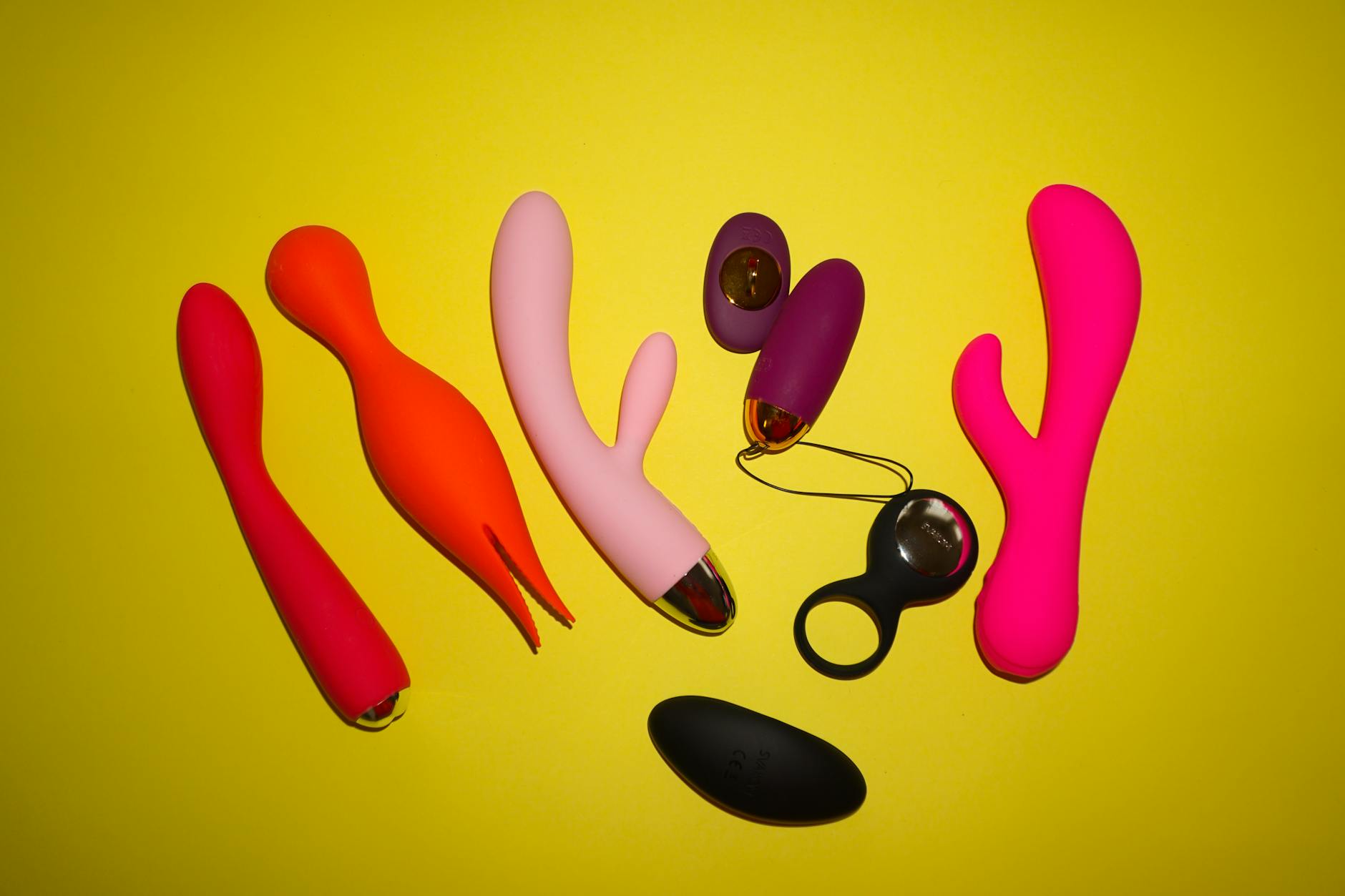
Here's the thing about neuropathy and pleasure
Neuropathy dampens sensation. It doesn't erase it. That matters because most people assume that if their nerve endings are firing differently, pleasure is just off the table. It's not. It just requires a different approach.
Peripheral neuropathy affects roughly 20 million Americans, and nobody talks about how it changes sex. Diabetes, chemotherapy, autoimmune conditions, even long COVID can all numb or dull the very nerves that carry pleasure signals. When that happens, a standard vibrator often feels like pressing a button on dead tissue. But lemon clitoral vibrators work through suction, not just vibration. That difference changes everything.
Why vibration alone doesn't cut it with neuropathy
Traditional vibrators rely on rapid back-and-forth movement to stimulate nerve endings. When those endings are already struggling to fire, vibration alone can feel muted or weird. You're waiting for sensation that doesn't arrive, or it arrives inconsistently, which kills arousal.
This is especially true for clitoral sensation, which is already more complex than most people realize. The clitoris has thousands of nerve endings, but they're not evenly distributed. Neuropathy often affects the outer layers first, so the usual light-touch stimulation doesn't register. You need something that reaches deeper, activates the nerves that are still responsive, and creates a sensation your brain actually recognizes as pleasure.
That's where suction changes the game.
How suction works differently than vibration
Suction creates gentle pressure and release patterns. Instead of relying on rapid tremor, it stimulates nerves through a pulsing sensation that mimics the body's own vasocongestion. For people with neuropathy, this approach often feels more noticeable because it's not asking the damaged nerves to process high-frequency input. It's creating a sensation rhythm that even dampened nerves can register.
Lemon vibrators use air-pulsation technology, which means the stimulation is happening through pressure waves rather than direct friction or vibration. Your damaged nerves might not feel a buzzing sensation clearly, but they're far more likely to feel a rhythmic squeeze and release. It's like the difference between shouting at someone with hearing loss and using a hearing aid that amplifies the right frequencies.
The suction mechanism also pulls the skin gently, which engages a different set of nerve pathways than direct stimulation alone. For people with neuropathy, having multiple sensory inputs working together sometimes means at least one of them gets through loud enough to register as pleasure.
What research actually says about neuropathy and pleasure recovery
Studies on vaginal sensation and neuropathic conditions consistently show that pressure-based stimulation activates deeper nerve pathways than vibration alone. A 2019 study on diabetic neuropathy and sexual function found that people using air-pulsation devices reported significantly higher satisfaction and sensation recovery than those using traditional vibrators.
The mechanism is partly neurological and partly psychological. When you've been living with dulled sensation, your brain gets used to not expecting pleasure signals. Using a device that creates a distinctly different type of stimulation can actually retrain your nervous system to recognize and respond to sensation again. This is called neuroplasticity, and it matters.
It's also worth noting that neuropathy often affects sensation unevenly. You might have normal feeling in some areas and reduced feeling in others. A lemon clitoral vibrator's adjustable suction levels mean you can find the intensity that works for your current nerve function, then gradually increase it as sensation returns. You're not forcing your body into a one-size-fits-all experience.
Starting with suction when your nerves are healing
If you're dealing with neuropathy, here's how to actually use a lemon vibrator in a way that builds sensation instead of frustrating you:
Start with the lowest suction setting. I mean the actual lowest. Your goal is to feel the sensation at all, not to chase an orgasm right away. Spend a few sessions just noticing what you feel. Is it pressure, warmth, rhythm, something else? That attention matters because you're teaching your brain to recognize the signal again.
Use it on clean, dry skin first. Neuropathy sometimes makes skin more sensitive to irritation, and lube can sometimes interfere with your ability to feel the suction sensation clearly. Once you know what you're feeling without lube, you can add it if that helps.
Session length matters more than intensity. Short sessions, 10-15 minutes, where you're just exploring what your body can feel right now. This isn't about forcing an outcome. It's about patience and meeting your nerves where they actually are.
If you have diabetes or another condition that affects healing, make sure your clitoral tissue is healthy before starting. Any cuts, sores, or unusual dryness should be cleared by your doctor first.
What to expect as sensation returns
This isn't linear. Some days you'll feel more. Some days you'll feel less. That's neurological healing, and it's normal. Avoid the temptation to turn up the intensity every session because you want faster results. Your nervous system doesn't work on a timer.
Many people with neuropathy report that their sensation starts coming back in unexpected ways. You might feel warmth before you feel pressure. You might feel pleasure in areas you didn't expect. You might notice that the sensation changes depending on your stress level, how much you've been moving, whether you slept well. These are all signs your nerves are healing.
The goal isn't to get back to exactly how sensation felt before. That might not happen, and expecting it sets you up for disappointment. The goal is to restore responsive pleasure to your current body, right now. That might look different than it did. It might actually be better in some ways because you're being more intentional about what you want.
Partner communication during sensation recovery
If you're with a partner, they need to know this is about your healing, not about them or your desire for them. Neuropathy is a medical thing. Using a lemon clitoral vibrator isn't a rejection of your partner's touch. It's a tool for your nervous system recovery.
The conversation gets easier if you frame it clearly. "My nerves need different input right now to feel pleasure. This device helps me train my body to respond again. It's part of my healing, and I'd love your company during this." That's not sexy, but it's honest. And honest usually works better with partners than leaving them confused about what changed.
When to check in with your doctor
If you're using a lemon vibrator and sensation isn't improving after 4-6 weeks, that's worth mentioning to your neurologist or the doctor treating your neuropathy. Sometimes neuropathy progression needs different medical management. Sometimes your nervous system needs different types of sensory input than air suction provides.
Also check in if you notice pain instead of pleasure. Neuropathy sometimes comes with hypersensitivity or nerve pain. A lemon clitoral vibrator should feel good or at least neutral. If it hurts, stop and talk to your doctor before continuing.
If you're on medications that affect sensation, know that healing timeline might be longer. Be patient with yourself. Your body is doing the work. A device like a lemon vibrator is just giving it better signals to work with.
The bigger picture
Neuropathy stole something from you. Sensation, responsiveness, the ability to feel pleasure in your body the way you used to. That's real loss. Suction-based lemon vibrators don't erase neuropathy, but they do offer a pathway back to pleasure that actually matches how your nervous system works right now.
You deserve sensation. You deserve pleasure. It might look different than it did before, but it's still available to you.
People also ask
Can neuropathy from diabetes be reversed with sensation training and tools like lemon vibrators?
Partial sensation recovery is possible with proper diabetes management and consistent sensory input, but complete reversal depends on how much nerve damage has already occurred. Neuropathy from well-controlled diabetes may improve over time, especially when you're actively stimulating those nerve pathways. Using a lemon clitoral vibrator as part of sensation retraining can help your nervous system respond to input again. But the underlying diabetes management (blood sugar control) is the real foundation. The device is supportive, not curative.
How is lemon suction different from a traditional vibrator for neuropathy?
Traditional vibrators rely on rapid vibration to stimulate nerves, which can feel muted when those nerves are already compromised. Lemon clitoral vibrators use air-pulsation technology that creates rhythmic pressure and release instead. This engages different nerve pathways and often feels more noticeable to people with neuropathy because the sensation is distinct and doesn't require high-frequency nerve firing. It's pressure-based rather than vibration-based, and that makes a real difference for dulled sensation.
How long does it take to feel sensation improvements using a lemon vibrator?
It varies widely depending on the cause of your neuropathy and how long you've had it. Some people notice improved sensation within 2-3 weeks. Others take 8-12 weeks. The key is consistency and patience. Your nervous system is learning to recognize and respond to input again, and that takes time. If you're not seeing any change after 6 weeks of regular use, talk to your doctor about whether a different approach might help.
Can I use a lemon vibrator if I have diabetic neuropathy?
Yes, as long as your clitoral tissue is healthy and your blood sugar is reasonably controlled. Diabetic neuropathy often comes with slower healing and increased infection risk, so inspect the area regularly for any sores or unusual changes. Start with the lowest suction setting and keep sessions short. If you notice any pain, irritation, or unusual symptoms, stop and check with your doctor. The device should enhance sensation, not cause damage.
Is using a lemon clitoral vibrator for neuropathy considered sex therapy?
It's sensory retraining, which is related to sex therapy but not exactly the same. A sex therapist might recommend a tool like a lemon vibrator as part of broader therapy for sexual dysfunction caused by neuropathy. Using the device on your own is self-directed sensation recovery. If you want professional guidance on incorporating it into a broader approach to healing, talking to a therapist who specializes in sexual health is really valuable.
What if a lemon vibrator feels uncomfortable or painful with neuropathy?
Pain is a signal to stop. Neuropathy sometimes includes hypersensitivity or neuropathic pain, which means stimulation can feel sharp or burning instead of pleasurable. If that's happening, try a lower suction setting first. If it still hurts, that's not the right tool for your nervous system right now. Talk to your doctor or a pain specialist about whether a different approach might work better. Not every tool works for every person, and that's okay.
Ready to reconnect with sensation
Neuropathy is frustrating. It changes your body in ways that feel unfair and often go unaddressed in medical conversations about pleasure and intimacy. But your capacity for sensation and pleasure is still there. It just needs the right support.
If you're ready to explore how a lemon vibrator or other Hello Nancy tools might fit into your healing, reach out to us. We're here to answer questions and help you find what actually works for your body.