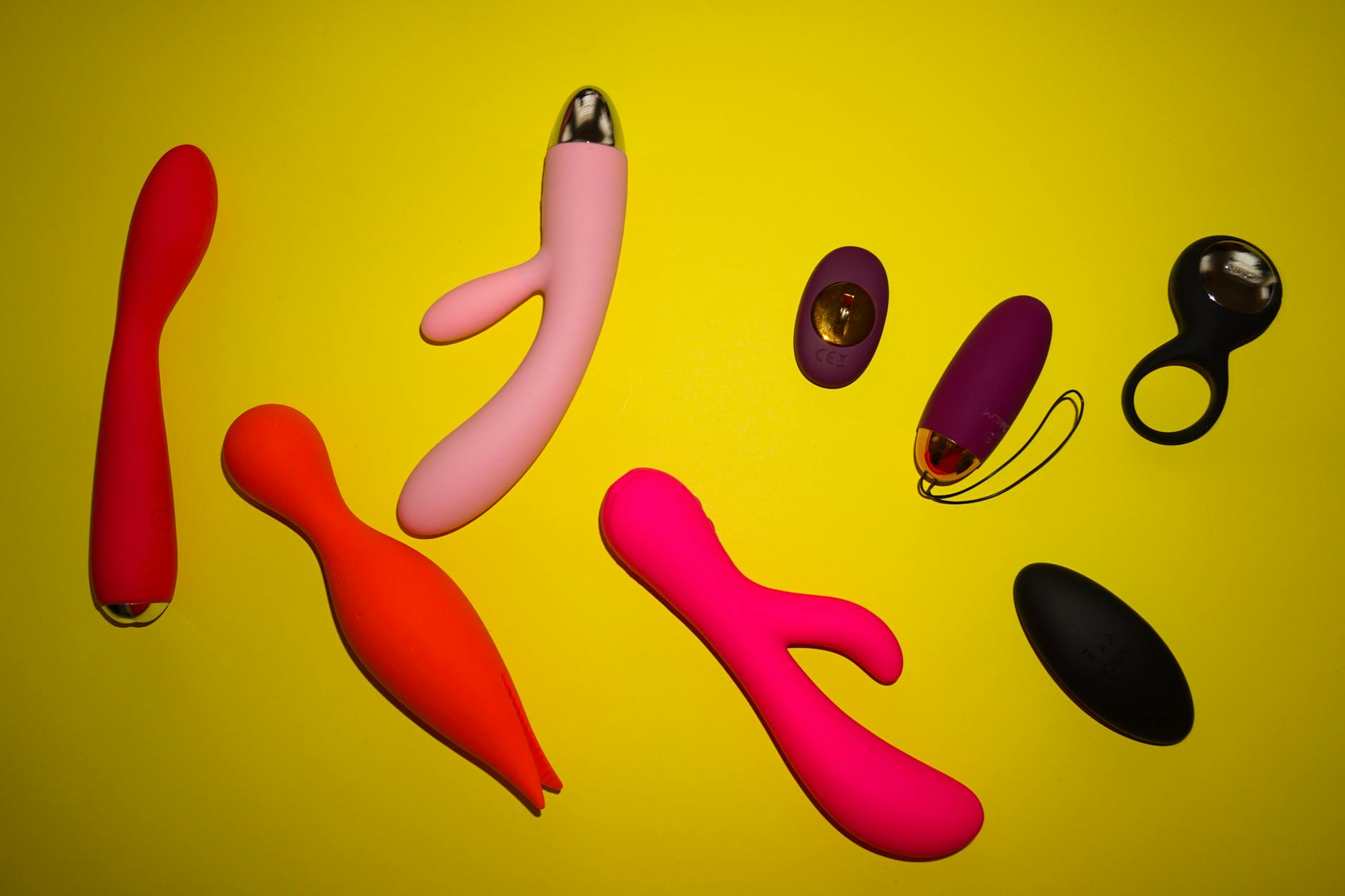
The unsexy truth about decades together
Here's what nobody tells you about long-term partnerships: the intimacy doesn't disappear. It calcifies. You know each other's bodies so well that sex becomes automatic. Foreplay follows the same three-step sequence it's followed for fifteen years. Your partner touches you the same way they always have, and your body responds the same way it always has, and nobody's bored exactly, but nobody's surprised either.
That's not a sign the relationship is broken. That's a sign it's become efficient. And efficiency is the enemy of desire.
Why routine kills more than bad sex
Neural habituation is a real thing. When your brain receives the same stimulus in the same order, it stops paying attention. Your nervous system adapts. The same touch that once made your breath catch now registers as background noise. This isn't about your partner doing anything wrong or your body failing. It's about predictability becoming invisible.
What makes this tricky is that couples often interpret this as loss of attraction or, worse, incompatibility. "We don't connect like we used to" really means "my brain isn't surprised by your touch anymore." The fix isn't therapy or resentment. It's novelty.
But here's the thing: novelty doesn't mean finding someone new. It means finding a different way to access your partner's body.
Why lemon clitoral vibrators break the pattern
Lemon vibrators, particularly suction-based toys like the Lem, work on sensation your partner's hand or a traditional vibrator can't replicate. The suction pattern creates a different kind of stimulation. Your nervous system doesn't have a pre-loaded response to it. Your brain has to pay attention. And when your brain pays attention, you become present again.
This matters because presence is what long-term couples actually miss. You miss being surprised by your own pleasure. You miss that moment where sensation overtakes you instead of unfolding exactly as expected.
For decades-long partnerships, introducing a lemon clitoral vibrator isn't about toys. It's about permission. Permission to want something different. Permission to admit that the old way has become routine. Permission to ask for the thing you've been too polite to name.
The conversation that actually matters
Before you bring a vibrator into your bedroom, the real work happens in the kitchen. Or the car. Anywhere you can talk without pressure.
The opening isn't "I think we need this." It's closer to "I've been thinking about what we both deserve, and I want to feel surprised again. Not by someone else. By you. By us." That shifts the entire frame from "our sex life is failing" to "I want us to matter to each other again."
If your partner's worried about what it means that you want a toy, this is the moment to be honest: it doesn't mean their hand is no longer enough. It means your nervous system needs something new to pay attention to. That's not about them. It's about keeping you interested. And being with someone you're interested in.
Most long-term partners are relieved by this conversation. They've noticed the predictability too. They've felt their own touch becoming rote. They're just waiting for permission to change things.
How to actually use it together
First: don't make it a performance. The goal isn't fireworks. It's presence.
Start by exploring it solo or together without pressure to go anywhere. Let your partner hold it. Let them see how your body responds. This does two things. One, it gets them out of the "I'm supposed to be doing something" headspace and into curiosity. Two, it shows them a side of your pleasure they might not have access to from their own body alone.
When you're ready to use it together during sex, it works best if your partner is still involved. They're still touching you. The lemon vibrator is amplifying sensation, not replacing their hands. This keeps them in the experience. They're not watching you have pleasure. They're facilitating it.
Start with lower intensity settings. Most people jump to power, which can feel overwhelming if your nervous system isn't used to suction stimulation. Pattern 1 or 2 on a device like the Lem is usually a better entry point. Build from there.
Timing matters. Many long-term couples find that the vibrator works best not as the main event but as the bridge. Use it during foreplay when arousal is building. Use it to shift sensation mid-sex. Use it to extend pleasure when you'd normally finish. This keeps it integrated into your shared experience rather than positioned as a separate thing.
What changes when you do this
You'll likely notice your partner paying more attention. Not in a nervous way. In a curious way. When your body is responding to something new, they're watching and learning. They're re-learning your pleasure. That's different. That's intimate in a way that twenty years of the same routine can't be.
You'll probably have better orgasms. Not because the vibrator is magic, but because your nervous system is engaged. You're present. You're not running through a mental checklist of "is this taking too long, should we speed up, am I taking too long to finish." You're just there.
Many couples also report that introducing a lemon clitoral vibrator gives them permission to have other conversations. If we can talk about wanting this, what else have we been too polite to say? Turns out the bedroom is where a lot of long-term couples start being honest again.
The surprising part
Here's what I see most often in my practice: couples who bring a vibrator into their routine don't use it every time. They use it sometimes. And sometimes is enough. Knowing it's available changes the entire tone. It means your sex life isn't set in stone. It means you're still willing to try things. It means the relationship is still alive enough to experiment.
That's not about the toy. That's about remembering that you chose each other. Every time you show up to your partner's pleasure with curiosity instead of habit, you're choosing them again.
FAQ
Will using a vibrator make my partner feel inadequate?
Not if you frame it right. The key is positioning it as something you want to explore together, not something that replaces them. Most partners actually feel relieved that there's a tool to help create pleasure they might not have access to on their own. The vulnerability of saying "I want this" often brings couples closer, not further apart.
How do I bring this up without making it weird?
Bring it up the same way you'd suggest trying a new restaurant. Matter-of-fact, curious, no pressure. "I've been thinking about trying a lemon clitoral vibrator together. I'm interested in how it might feel." That's it. You don't need a whole speech. If your partner wants to talk about it, they will.
What if my partner says no?
Respect that. But also ask why. Is it discomfort with toys? Worry about what it means? A past experience? Once you know what's actually driving the resistance, you can have a real conversation instead of just dropping it.
Is there a best time to introduce this?
Not during a moment when sex already feels disconnected or difficult. That positions the vibrator as a fix for a broken thing. Introduce it when things are already good, but you want them to be different. When you're curious, not desperate.
Can we use lemon vibrators if one of us has reduced sensation?
Yes. Suction stimulation works differently than vibration alone, which means it can reach people who've experienced nerve damage or medication-related numbness. If one partner has neuropathy or reduced feeling, a lemon clitoral vibrator can actually reignite sensation that's been missing.
What if we use it and it doesn't change anything?
Then you've learned something useful. Maybe the issue isn't about sensation. Maybe it's about emotional disconnection that needs a different kind of work. But at least you tried. At least you said "I want this" and your partner heard it. That matters.
The point
Long-term love isn't about maintaining the exact same experience forever. It's about being willing to change together. Lemon vibrators aren't a cure for relationships that feel stalled. They're a tool for couples brave enough to admit that routine isn't inevitable. That pleasure can still surprise you. That after all these years, you're still worth the effort.
Your partner deserves to see you surprised by sensation. And you deserve to feel like your partnership is still worth exploring.