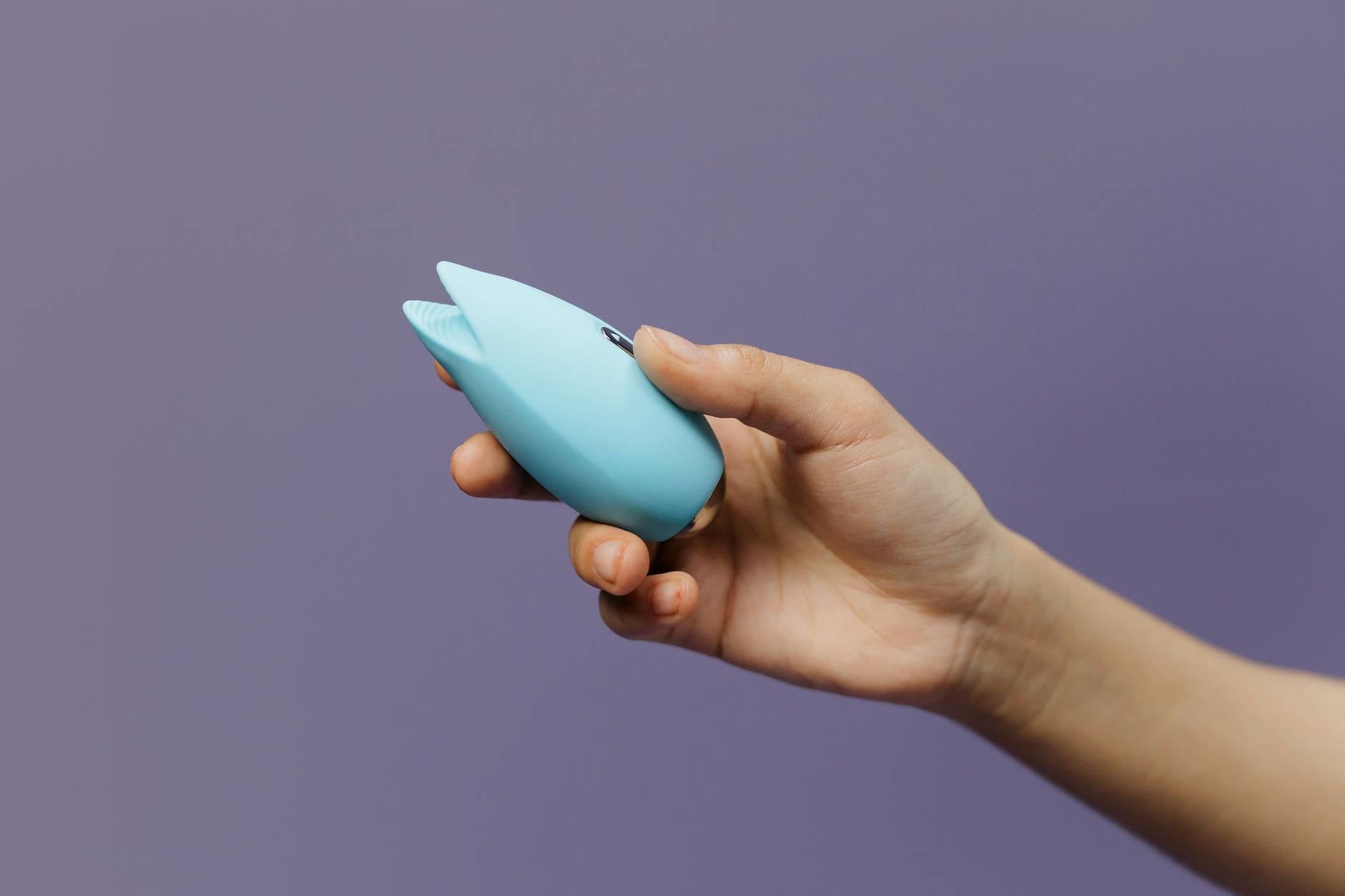
How to Use Lemon Vibrators for Better Orgasms After Menopause
Here's what nobody tells you: menopause doesn't kill your ability to orgasm. It changes the map.
Estrogen shapes how your vulva feels sensation. When estrogen drops, tissue thins, blood flow shifts, and the whole landscape of touch becomes quieter. But quieter is not the same as gone. And for a lot of people, quieter + the right tool means some of the most intense orgasms of their lives.
Let me explain why lemon vibrators, and specifically air-suction clitoral vibrators like the Lem, work so differently and so well for post-menopausal bodies.
What Actually Happens to Sensation After Menopause
When your estrogen levels drop, a few things shift at the tissue level. The vaginal and vulvar skin becomes thinner. Blood flow to the clitoris decreases slightly. The pelvic floor muscles lose some of their elasticity. These changes are real and measurable.
But here's the part that gets left out: the nerve endings in your clitoris don't go anywhere. The neural pathways that create pleasure remain intact. What changes is the threshold. You need different kinds of stimulation to activate those nerves.
This is actually good news. It means you're not broken. You're just recalibrated.
Many of my clients report that once they find the right type of stimulation, their orgasms become more localized and intense, almost like a tighter focus. Some describe them as feeling more full-body than before. A few have said their best orgasms ever arrived after menopause, once they stopped fighting the change and started working with it.
Why Lemon Vibrators Work Differently for Post-Menopausal Bodies
Most traditional vibrators use friction and direct vibration. They buzz against the tissue. This is fine, but for someone with thinner, more sensitive tissue, direct friction can feel too intense, too sharp, or even uncomfortable.
Lemon vibrators like the Lem use air-suction technology instead. Rather than vibrating, they create a gentle suction and release pattern that stimulates nerves without the same mechanical pressure. Think of it like the difference between someone tapping your shoulder versus someone gently cupping your shoulder.
For post-menopausal bodies, this is a game-changer for three reasons.
First, suction stimulates sensation differently than vibration. It engages deeper layers of tissue without requiring the same level of direct contact. This means you can access intense pleasure without the tissue irritation that sometimes comes with traditional vibrators.
Second, you have much more control. Most lemon sexual toys like the Lem have multiple intensity settings. You can start at pattern one and work your way up. You're not committed to a one-size-fits-all vibration pattern.
Third, the suction creates a sustained sensation rather than a rapid one. This aligns better with how arousal often feels post-menopause. Your body responds to sustained, patient stimulation more than it does to speed.
How to Warm Up Your Body (This Step Matters More Than You Think)
After menopause, arousal takes longer. This is not a flaw. It's just logistics. Your body needs more time for blood to redistribute to your genitals and for lubrication to build.
Budget 15 to 25 minutes of warm-up before introducing any toy. This is not foreplay you're trying to skip. This is the actual experience.
Start with touch that has nothing to do with the clitoris. Stroke your inner thighs, your lower belly, your breasts. Pay attention to what feels good without rushing. Many post-menopausal people find that nipple stimulation becomes even more connected to clitoral sensation than it was before.
If you have a partner, this is where you collaborate, slowly. If you're solo, this is where you get to be selfish about what you want.
After 10 to 15 minutes of this, your clitoris will have begun to engorge and become more sensitive. This is the moment to introduce lube. Yes, even if you're self-lubricating. Water-based lube amplifies sensation and reduces friction in a way that's especially helpful for thinned tissue.
Starting With Your Lemon Vibrator: Pattern and Pressure
When you're ready to use your lemon clitoral vibrator, start at the lowest intensity. For the Lem, this means pattern one.
Don't position it directly on your clitoris. Instead, hover it or place it gently on the mons pubis, the area just above your clitoris. Let the sensation radiate down and inward. You're not trying to trigger an orgasm in the first two minutes. You're learning what your post-menopausal body responds to now.
Take five to ten minutes exploring sensation at the lowest intensity. Notice where sensation feels strongest. Does it prefer the side of the clitoris? Does it prefer sustained suction, or do you like the pulse patterns better?
Then, slowly, move to pattern two. Spend another few minutes there. The point is not speed. The point is information.
Many people find that after menopause, they actually prefer lower intensities. The sensation feels sharper, less muted. A traditional vibrator at full blast might have felt numb. A lemon vibrator at pattern two or three often feels just right.
The Lubrication Question
You will benefit from lubrication. Not because you're dry or broken, but because water-based lube creates a better interface between your skin and the toy. It reduces friction and deepens sensation.
Use a water-based lube, always. Silicone lubes feel richer, but they can degrade silicone toys over time. Water-based is the standard for a reason.
Reapply as you need it. Post-menopausal lubrication is often more modest than it was before, and that's fine. Just refresh it as sensation dulls.
If you're interested in longer-term support for vaginal tissue health, a topical estrogen cream prescribed by your doctor can help tremendously. But that's a separate conversation with your gynecologist. For right now, water-based lube is your friend.
Building Toward Orgasm: Patience as a Technique
Orgasms after menopause often feel different. They may take longer to build. They may feel more localized. Some people describe them as less explosive and more meditative.
All of these are normal.
Instead of chasing the orgasm you remember, be curious about the one arriving. This sounds like therapy talk, I know. But it's also practical. Your anticipation about how long this should take is probably longer than how long it actually takes. Your judgment about whether it's