Let's talk about what's actually happening
Here's the thing about hormonal shifts: they don't kill arousal. They reorganize it. And that reorganization feels weird because you're not expecting it.
When hormones change, whether from birth control, medication, perimenopause, postpartum recovery, or any number of life transitions, your nervous system recalibrates. Arousal that used to arrive in five minutes might now take fifteen. Or twenty. And because you remember the old timeline, the new one feels broken.
It isn't. It's just different.
Why arousal timing changes after hormonal shifts
Think of arousal as a chain reaction in your brain and body. Estrogen, testosterone, and progesterone are three of the major links in that chain. When those hormone levels shift, the entire sequence reorganizes itself.
Here's what happens: your tissues have fewer estrogen receptors, which means nerve endings need more stimulation to fire up. Your blood vessels take longer to respond to mental arousal. The glands that produce lubrication work on a new schedule. And mentally, if you're aware of these changes, that awareness itself can add friction to the process.
None of this means desire is gone. It means the pathway to arousal has taken a detour, and you need new tools to navigate it.
Why lemon vibrators work for slower arousal
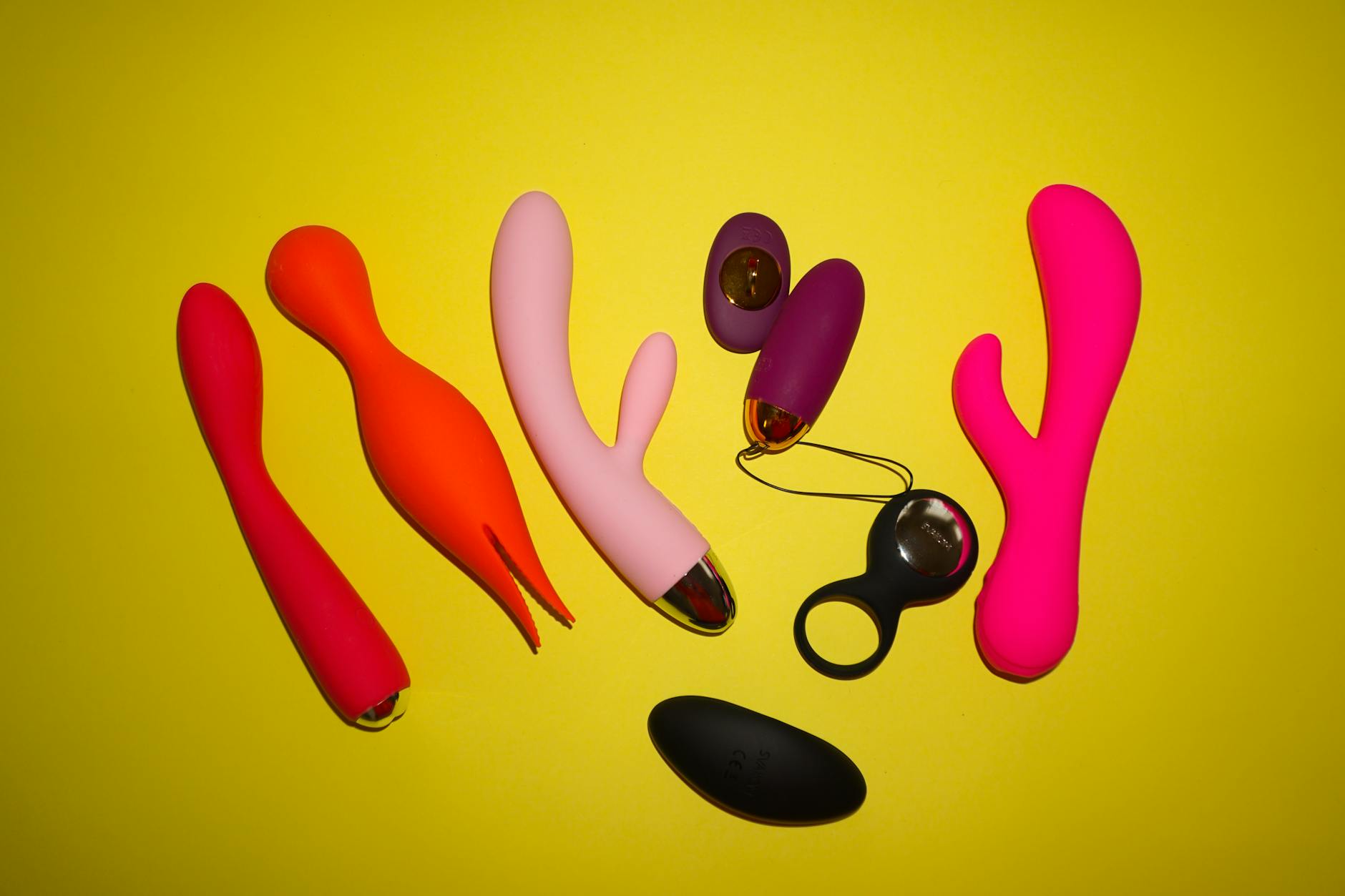
Lemon clitoral vibrators like the Lem are designed specifically for consistent, deep stimulation. That matters because slower arousal often means you need stronger input earlier in the process to trigger the chain reaction.
Air-suction vibrators like lemon sexual toys work differently than traditional vibration. Instead of relying on your body's sensitivity alone, they gently expand and contract tissue, creating stimulation that bypasses some of the delays your nervous system is experiencing right now. You're essentially giving your arousal pathway a head start.
The pattern options also matter. Most lemon vibrators have 7-10 different patterns and intensity levels. When arousal takes longer, you're not looking for one pattern that works. You're looking for the ability to shift patterns as sensation builds, which helps you move through the arousal timeline more smoothly.
Practical timing strategy: the 20-minute warm-up
Instead of assuming arousal will arrive spontaneously, budget deliberate warm-up time. Start with your lemon clitoral vibrator at pattern 1 or 2. The goal isn't orgasm yet. It's building sensation and signaling to your nervous system that arousal is beginning.
Begin with light, indirect stimulation. Some people prefer starting on the outer labia or the area just above the clitoris, letting sensation build outward. Others go directly to the clitoris but on the gentlest setting. There's no wrong choice. The point is consistency without pressure.
After 5-10 minutes, move to a slightly stronger pattern. The Lem's mid-range patterns (4-5) work well here because they're not overwhelming but they're distinctly more intense than where you started. You're gradually recruiting more nerve endings into the arousal process.
If you've added 10-15 minutes of time and sensation feels good but not urgent, that's normal. Slow arousal sometimes means the urgency part takes longer too. That doesn't mean it won't arrive. You're just not chasing it.
Lubrication and timing
Slower arousal often comes with slower lubrication. Hormonal shifts frequently mean your body produces less natural lubrication and produces it more slowly. This is incredibly common after birth control changes, during perimenopause, or in early postpartum recovery.
Don't skip lube. Use water-based lubricant from the start, even if you think you might not need it. Apply it generously. A lemon sucker like the Lem creates slight suction, which can feel uncomfortable if tissue is dry. Lube solves this and also gives sensation a smoother surface to work with.
Reapply as you go. Arousal over a longer timeline means more friction time. You're not adding anything to your body by using more lube. You're making the experience more comfortable and allowing sensation to build without your nervous system bracing against friction.
The mental piece: releasing the old timeline
This is where the actual work happens. If you spent 20 years being aroused in five minutes, and now it takes 20 minutes, your brain is going to keep expecting the five-minute version. Every moment past five minutes will feel like something's wrong.
It isn't. But your expectation has to shift first.
Talk to yourself (and your partner, if applicable) about the new timeline. Say it out loud. "My arousal now takes about 15-20 minutes." This is not negotiable or wrong. It's the current operating system. Once you stop fighting it, the new timeline often feels less long.
Lemon clitoral vibrators help here because they give you something concrete to do during those 15-20 minutes. You're not lying around waiting for arousal. You're actively building it. That distinction changes the entire emotional experience.
When to adjust your approach
If you've been using a lemon vibrator consistently for 2-3 weeks and arousal is still not happening, something else might be going on. Hormonal shifts usually take that long to show patterns. But depression, anxiety, relationship strain, or other medication changes can mimic slow arousal while actually being something different.
If arousal is painful, building too quickly, or creating anxiety, that's also different from simple timing shifts. Those deserve a conversation with a doctor or sex therapist who understands that your body isn't broken, just reorganized.
But most of the time? Give your new timeline patience, consistent stimulation, and the right tool, and arousal builds again.
Your body reorganized. It didn't retire. Arousal takes longer now because the pathway is different, not because the destination disappeared.
Creating space for pleasure in a new timeline
Slower arousal often means you need more intentionality about pleasure. This isn't a loss. It's actually an opportunity. When arousal was automatic, it was also easy to rush. Now you have to choose it, which usually means it becomes more satisfying.
Set aside time when you're not rushed. Not because arousal requires hours, but because the mental space to focus matters. Fifteen to twenty minutes in a locked room where you don't have to listen for kids or check your phone changes the entire experience.
Keep your lemon vibrator somewhere accessible. The Lem charges via USB, so you can keep it on a nightstand or in a bedside drawer. Remove the friction of having to search for it. Make it easier to choose pleasure because arousal timing is already asking more of you.
Use the different patterns to keep things interesting over weeks. If pattern 3 got you aroused last week, try pattern 6 this week. You're not looking for novelty for its own sake. You're actively exploring how your nervous system responds to variation, which helps you stay engaged during the longer timeline.
FAQ: Slower Arousal and Lemon Vibrators
How long should arousal actually take after hormonal shifts?
There's no standard. Most people find arousal takes 50-100% longer after hormonal changes like stopping birth control or entering perimenopause. That might mean moving from five minutes to ten, or from fifteen minutes to thirty. The first month or two, it's unpredictable. By month three, you usually see a pattern emerge. If it hasn't stabilized by then, a doctor can rule out thyroid issues or other factors slowing things down.
Can you use a lemon clitoral vibrator during partnered sex?
Absolutely. If your partner wants penetration and you need clitoral stimulation to become aroused, a lemon vibrator can be used during sex. Some people prefer external stimulation while a partner is inside them. Others use the vibrator first to build arousal, then transition to partnered activity. Talk about timing beforehand so your partner knows arousal might take longer, and that's not about them or the sex itself. It's about your new nervous system pacing.
What if the Lem vibrator feels too strong when I'm not fully aroused yet?
Start on the gentlest pattern and on the lowest intensity. Begin with indirect stimulation (above the clitoris or on the outer labia) instead of directly on the clitoral head. You're building arousal, not chasing orgasm yet. A lemon sexual toy designed for this can be incredibly gentle in the early phases of arousal if you're using the right pattern and position.
Does slower arousal after hormonal shifts ever return to normal?
Depends on the shift. If you just stopped hormonal birth control, it typically takes three months for arousal to stabilize into a new baseline. If you're in perimenopause, it's usually a longer adjustment. If it's postpartum, recovery is individual, but by 6-9 months postpartum, many people see arousal return to something closer to baseline. But "baseline" might be different than before. That's okay. Different doesn't mean broken.
Is a water-based lubricant safe to use with a lemon vibrator?
Yes. In fact, water-based lubricant is the standard recommendation for silicone toys like the Lem. It's safe, it washes off easily, and it reduces friction without leaving residue. Apply it to your vulva and to the vibrator itself. Reapply as needed during longer arousal sessions.
Can emotional stress slow arousal the same way hormonal shifts do?
Yes. Stress, anxiety, relationship tension, grief, and depression all slow arousal independent of hormones. The strategy is similar though. Budget more time, use consistent stimulation, and remove mental and physical friction. If stress is the culprit, addressing the stressor often speeds arousal back up. If hormones are the culprit, time and the right approach help you adapt to the new pace.
The bottom line
Arousal timing after hormonal shifts isn't a personal failure. It's a biological reorganization, and you can work with it instead of against it. Lemon vibrators help because they give you strong, consistent stimulation during a period when your nervous system needs more input to get going. Add patience, lubrication, and intentional time, and you'll rebuild sensation and confidence on your new timeline. Your body didn't break. It just needs different support.
If you're navigating these changes and want guidance specific to your situation, reach out. We're here to help.