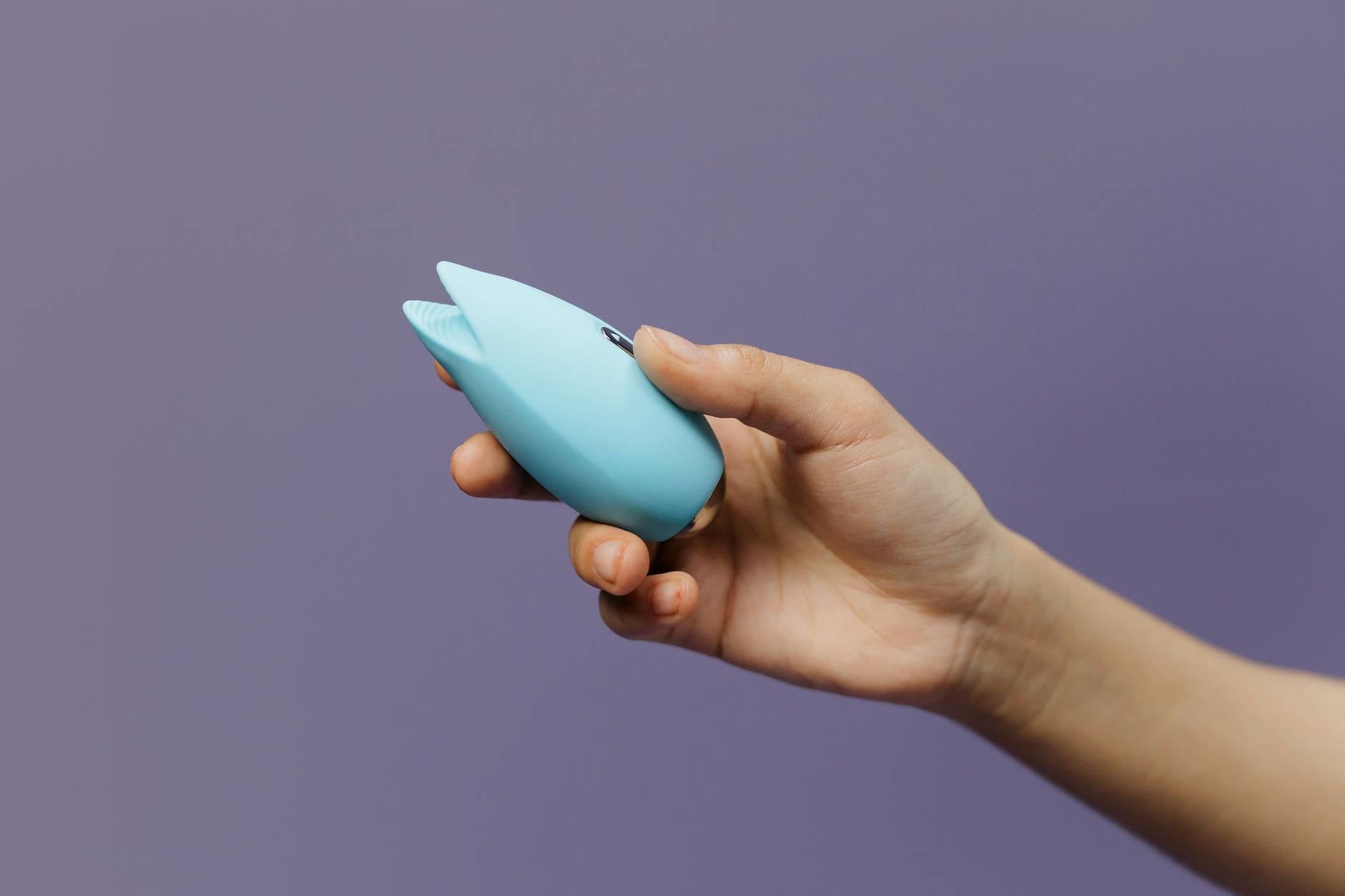
Here's what nobody tells you about dryness and clitoral vibrators
When lubrication feels thin or absent, your first instinct might be to assume something's wrong with your arousal. But here's the honest part: inadequate lubrication during clitoral play doesn't mean you're not interested. It means the sensation profile changes. A lemon vibrator (or any clitoral suction toy) works by creating a seal and delivering gentle pressure pulses. Without adequate moisture, that seal weakens. The vibration feels sharper, less even, sometimes uncomfortable. With the right lube approach, the same toy becomes luxurious and consistent.
This matters because you've probably heard that lemon vibrators are intuitive and feel good immediately. They do. But that ease assumes baseline moisture. When lubrication is low, the user experience shifts entirely.
Why inadequate lubrication happens (and it's not always obvious)
There are five main culprits, and knowing which one applies to you changes the fix.
Hormonal shifts. Estrogen drops during menopause, after birth control changes, or during certain phases of your cycle. Lower estrogen means thinner vaginal tissue and reduced natural lubrication production. This is profoundly common and completely treatable.
Arousal timing mismatch. You might be physiologically aroused (heart rate up, blood flow there) but not producing adequate cervical mucus yet. Some people need 10-15 minutes of foreplay before lubrication becomes visible. If you're moving to penetration or intense clitoral play before that window, you'll feel dry even though your brain is interested.
Medication side effects. Antidepressants, antihistamines, birth control, and blood pressure medications can all reduce lubrication. If this started after a medication change, that timing correlation matters.
Dehydration or lifestyle factors. Insufficient water intake, caffeine or alcohol overuse, and stress all suppress natural lubrication. It's unsexy to mention, but it's real.
Friction from extended play. Natural lubrication can deplete during long sessions. If you're having multiple orgasms or playing for 30 minutes, you might start dry even if you began slick.
The lube compatibility rule for lemon vibrators
This is non-negotiable: lemon vibrators are silicone. You must use water-based lubricant only.
Silicone lube degrades silicone toys over time. It sounds minor until your favorite toy becomes sticky, stained, or develops micro-tears in the surface. Water-based lube is the only safe choice, and the good news is that water-based formulas have gotten much better in the past five years. Quality products feel slick, stay wet longer, and wash off easily.
Pick a water-based lube that includes glycerin. Glycerin makes the formula feel richer and more slippery without being sticky. Brands like Sliquid, Good Clean Love, and Astroglide make solid options. Avoid anything labeled "warming" or "tingling" for your first round. Those sensations can feel overwhelming on sensitive tissue when combined with vibration.
Apply generously. Most people underapply lube because they're worried about mess. Paradoxically, the more slippery you are, the less friction, and the less overall wetness you need. A quarter-size amount is a starting point. More is almost always better than less.
How to apply lube for optimal sensation with clitoral vibrators
There are two application strategies, and which one works depends on what feels right to your body.
Strategy one: external application. Apply lube directly to the vulva and clitoris before turning on the vibrator. This works particularly well if inadequate lubrication is your only issue (not pain or extreme sensitivity). The water-based lube creates an even surface, and the vibration distributes it further. You'll feel the vibration more clearly because there's less friction resistance. This is the faster route and works well for quick sessions.
Strategy two: layered application. Start with a small amount of external lube, turn on the Lem or other lemon vibrator on a low pattern (1 or 2), and let it run gently against your vulva for 30-60 seconds before settling into your preferred pattern. The vibration itself helps spread the lube evenly and warm the tissue. Then, add another light layer if needed. This approach feels more indulgent and gives your tissue time to respond.
Whichever approach you choose, reapply if you notice the sensation becoming sticky or sharp. Water-based lube dries as you play. That's not a flaw. It's your cue to add more.
The extended play protocol
If you're playing for longer than 15-20 minutes or pursuing multiple orgasms, inadequate lubrication becomes more likely as the session goes on. Most people's natural lubrication depletes.
Build in reapplication pauses. After an orgasm, pause for 20-30 seconds, add fresh lube, and continue. This feels like a natural breath rather than an interruption. Some people even enjoy the pause as a moment to shift position or change intensity.
If you're partnered and your partner is providing clitoral stimulation while inside you, dryness can feel sharper because the internal sensation can be more intense. This is the exact scenario where lube strategy matters most. Apply water-based lube to the external vulva generously before penetration begins. Reapply every 5-10 minutes if it's a longer session. Your partner can also apply a small amount with a fingertip between rounds if that feels comfortable and intimate.
When inadequate lubrication signals something else
If you're using lube correctly and sensation still feels painful, sharp, or uncomfortable, that's different from mere dryness. Pain during clitoral play can signal genitourinary syndrome of menopause (GSM), pelvic floor tension, or tissue sensitivity that needs professional attention.
A menopause-trained gynecologist or pelvic floor physical therapist can assess whether you'd benefit from topical estrogen cream, which rebuilds tissue thickness. In many cases, two weeks of nightly estrogen cream transforms sensation. It's not a long-term requirement, and it's available without invasive procedures.
Pelvic floor tension is another piece. If your pelvic floor muscles are chronically tight (often from stress, past pain, or anxiety), clitoral vibration can feel overwhelming or painful even with abundant lube. In that case, a pelvic floor PT can teach you how to release those muscles before play, which often solves the problem immediately.
The mental side of inadequate lubrication
Here's what I see clinically: when lubrication becomes unreliable, many people stop initiating solo play. They assume it means their desire is gone. Then they feel distant from their body for months.
That spiral is preventable. Inadequate lubrication is a friction problem, not a desire problem. It's mechanical, not emotional. Recognizing that distinction matters psychologically. You're not broken. You're just working with different conditions than you were before.
The most grounded approach is to treat lube as a feature, not a workaround. People of all ages, hormone levels, and life stages use lube. It's not a backup plan. It's a tool that makes sensation feel better. Using it doesn't mean you're doing something wrong. It means you're doing something smart.
FAQ: Lubrication and lemon vibrators
Can I use silicone-based lube with my lemon vibrator?
No. Silicone lube breaks down silicone toys over time, creating sticky buildup and micro-tears. Water-based lube is the only safe option. It's also easier to clean up and less likely to stain fabric.
How much lube should I use with a clitoral vibrator?
Start with a quarter-size amount and add more if sensation feels sticky or uncomfortable. Most people underapply lube. Counterintuitively, more slippery surface means less friction and more even vibration sensation. It's common to need more lube than feels intuitively "normal."
Does water-based lube dry out during long sessions?
Yes. Water-based lube evaporates as you play. That's not a problem. It's your signal to reapply. Build in brief pauses every 10-15 minutes during extended play, add fresh lube, and continue. Some people enjoy these pauses as natural breathing moments.
Should I use lube if I have natural lubrication?
It depends on the sensation you want. If natural lubrication feels adequate and sensation is consistent, additional lube isn't necessary. But many people find that a light layer of water-based lube creates smoother, more even sensation even when natural lubrication is present. There's no rule. Experiment and notice what feels best.
Can inadequate lubrication mean my arousal is broken?
No. Inadequate lubrication and arousal are separate systems. You can be mentally and physiologically aroused but produce less cervical mucus due to hormones, medication, hydration, or timing. Using lube doesn't diminish your arousal. It's just working with the conditions your body is presenting.
What if lube and a lemon vibrator don't solve the dryness feeling?
If pain or persistent discomfort happens even with lube, see a menopause-trained gynecologist or pelvic floor physical therapist. Topical estrogen cream and pelvic floor release work for most people. This is treatable, but it requires professional assessment.
The bottom line
Inadequate lubrication changes how clitoral vibrators feel, but it doesn't change what's possible. A lemon clitoral vibrator paired with the right water-based lube strategy feels smooth, even, and deeply pleasurable. The key is knowing that lubrication isn't a flaw in your arousal. It's a variable you can control. Once you have that control, pleasure becomes consistent again.
If you're new to the experience of using a clitoral vibrator with lube, start with a water-based formula and generous application. Notice what sensation feels best. From there, you can fine-tune. Most people find their groove within 2-3 sessions.
Your body is not the problem. The setup is. Fix the setup, and sensation returns.