Let's talk about what grief does to your body
Grief doesn't just live in your mind. It lives in your nervous system. When you lose someone, when your world tilts, your body downshifts into survival mode. Pleasure becomes irrelevant. Sensation becomes optional. Some people describe it as numbness. Others say it feels like they're watching their body from outside it.
Then one day, weeks or months later, something shifts. A song. A warm afternoon. A moment of connection with someone you trust. And your body wakes up. That waking up can feel disorienting, even guilty. You might not feel ready. Your body might feel like it belongs to a stranger.
The neurobiology of pleasure returning
When you're in acute grief, your sympathetic nervous system is dominant. That's the fight-flight-freeze response. Your body is protecting you. Orgasm, arousal, even wanting touch all require parasympathetic activation. That's rest-and-digest mode. They're almost opposite states.
What happens over time is your nervous system gradually learns that the threat (the loss, the shock) isn't ongoing. Your body cautiously begins shifting back toward baseline. Pleasure isn't the enemy anymore. But after weeks or months of numbness, your nervous system doesn't remember how to respond quickly.
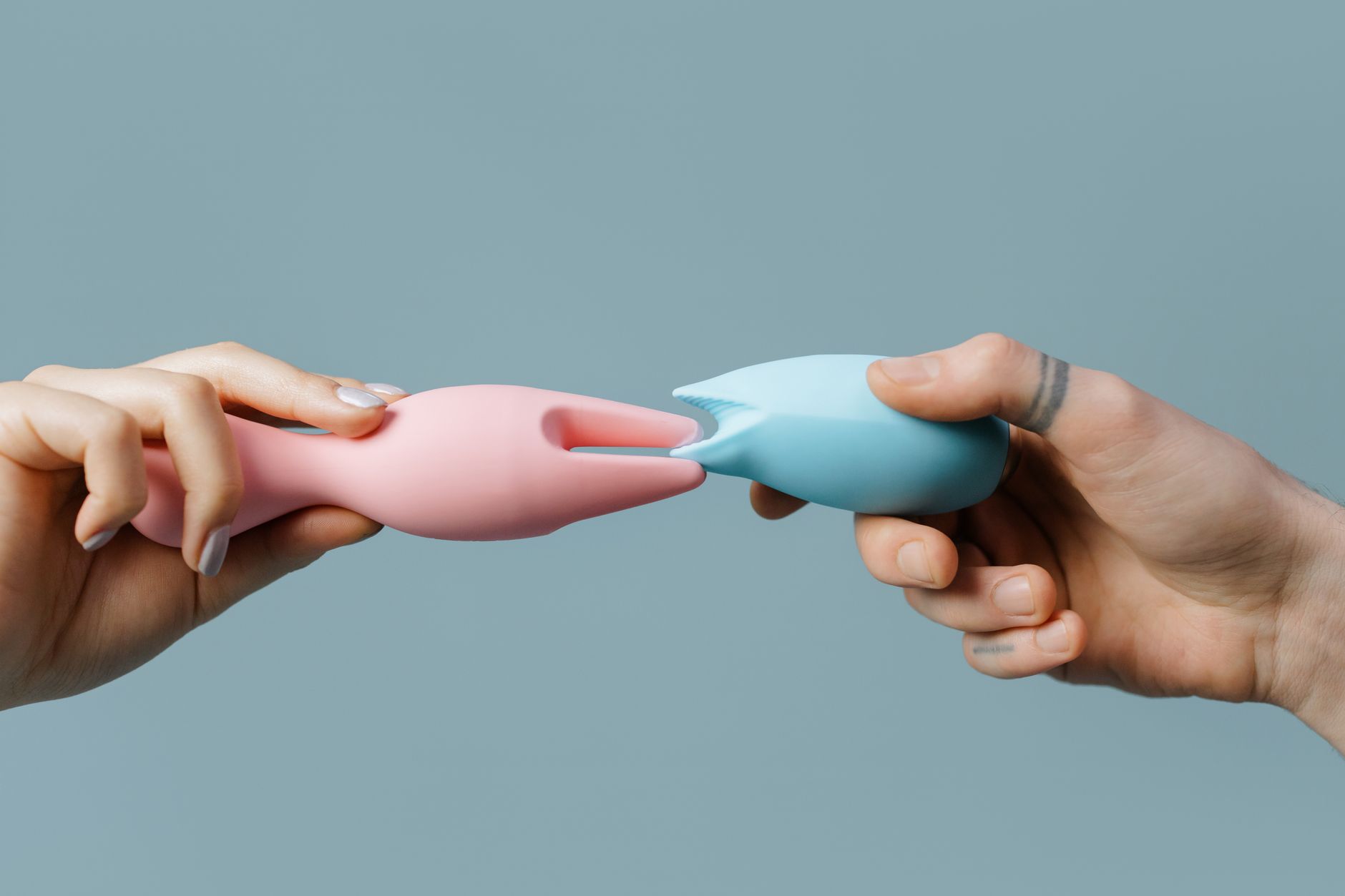
This is why clitoral vibrators like the Lem work so well during this phase. Suction devices bypass the need for gradual arousal buildup. They don't require you to feel ready before they create sensation. They meet your body where it actually is, not where you think it should be.
Why your body might feel like a stranger
Three things happen when sensation returns after grief:
1. Your sensitivity has shifted. You've been numb. Now signals are coming back online, but unevenly. Some parts of your body might feel hypersensitive. Others might still feel distant. This isn't permanent. It's your nervous system recalibrating.
2. You might feel guilty. If you've lost a partner, pleasure can feel like a betrayal. If you've experienced other losses, enjoying yourself might feel wrong. This is so common. It's also completely workable, but you need to name it first.
3. Your timeline expectations don't match reality. You might think "I should be ready by now" when your body is still processing. Expecting your body to respond like it did before grief is like expecting a phone that's been underwater to work perfectly once you dry it off. It needs time.
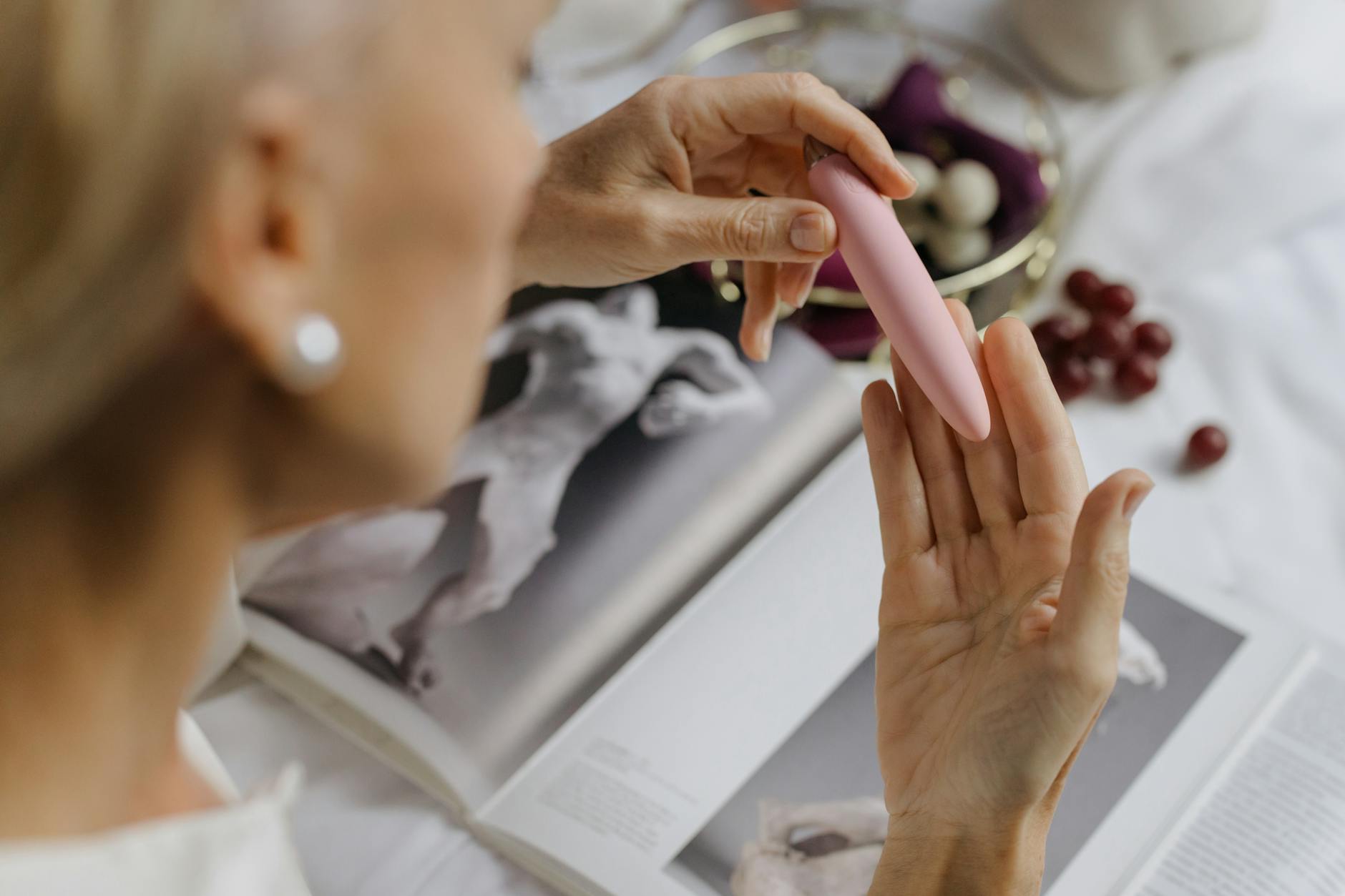
Photo by cottonbro studio on Pexels
Using lemon clitoral vibrators safely during pleasure recovery
If you're exploring clitoral vibrators like the Lem for the first time after grief, here's what actually works:
Start with the lowest settings. Don't aim for orgasm. Aim for sensation. Turn it on at pattern 1 or 2 and notice what you feel. Nothing? That's fine. Mild tingling? That's progress. The goal is information, not climax.
Use them solo first. Your body needs to remember what pleasure feels like without the pressure of a partner present. Solo exploration removes the performance element. You can move at your own pace. You can stop whenever you need to. This is foundational.
Create a safe container. Light a candle. Lock the door. Tell yourself this is research, not healing. Healing language puts pressure on the experience. You're simply gathering data about what your body can still feel. That shift in framing matters.
Expect variability. Some days you'll feel sensation right away. Other days you'll turn on a lemon clitoral vibrator and feel almost nothing. Both are normal. Your nervous system is still finding its footing. Consistency comes later.
Stop before you're frustrated. If you spend 10 minutes and nothing's happening, turn it off. Try again tomorrow. Frustration teaches your body that pleasure is a chore. You're building the opposite association.
What to do if guilt shows up
Guilt is the most predictable obstacle to pleasure during grief recovery. It often sounds like: "They can't feel this. How can I?" Or "I don't deserve this right now."
Here's what I tell my clients. Your body's pleasure isn't disloyal. It's not disrespecting the person you lost. Your body's capacity to feel good again is actually evidence that you're healing. Healing is how you honor them.
If you've lost a partner specifically, there's additional complexity. Your body associated pleasure with this person. Feeling pleasure without them can feel like betrayal. That's real, and it deserves direct attention. Consider talking to a therapist who specializes in grief and sexuality. That combination is rare but invaluable.
The Lem or other clitoral vibrators can actually help here. They create sensation that's distinctly yours. It's not about recreation. It's about learning that your body has its own pleasure capacity separate from partnership. That's actually deepening your relationship with yourself.
Rebuilding pleasure with a partner
If you have a partner and you're ready to explore together, the conversation starts before anything physical happens.
Tell them: "My body is just starting to remember what pleasure feels like. I'm going to need patience and no expectations. If I stop, it's not about you. If I need something different, I'm going to ask. My pleasure right now is about me reconnecting with myself."
That framework removes the invisible pressure. Your partner knows this isn't about them performing or being attractive right now. It's about nervous system recalibration.
When you're ready, lemon suction toys can be incredible with a partner because they let your partner witness your pleasure without having to create it. They can hold you, watch your face, and let the device do the stimulation. That's connecting without performance demand.
When sensation still isn't returning
If months have passed and your body feels just as numb, that's worth mentioning to a therapist or doctor. Persistent sexual dysfunction can be a symptom of ongoing depression or trauma response. It's not laziness. It's not broken. It's a signal that your nervous system needs support beyond what you can do solo.
Grief-related numbness that persists is treatable. Therapy, sometimes medication, sometimes both. The Lem can be part of that healing process, but it's not a replacement for professional support if you need it.
The permission you're actually looking for
Most people in grief recovery don't need permission to feel pleasure again. They need permission to feel nothing sometimes and something other times. Your pleasure doesn't have to be consistent. It doesn't have to be intense. It doesn't have to mean you're completely healed.
You can feel sadness and sensation in the same week. You can use clitoral vibrators and still miss someone. You can rebuild pleasure and still be grieving. All of that coexists.
Your body deserves gentleness right now. That might mean a lemon vibrator on the lowest setting and nothing else. That might mean solo exploration for six months before you're ready to involve anyone else. That might mean three forward steps and two backward steps.
All of that is healing. All of that is valid.