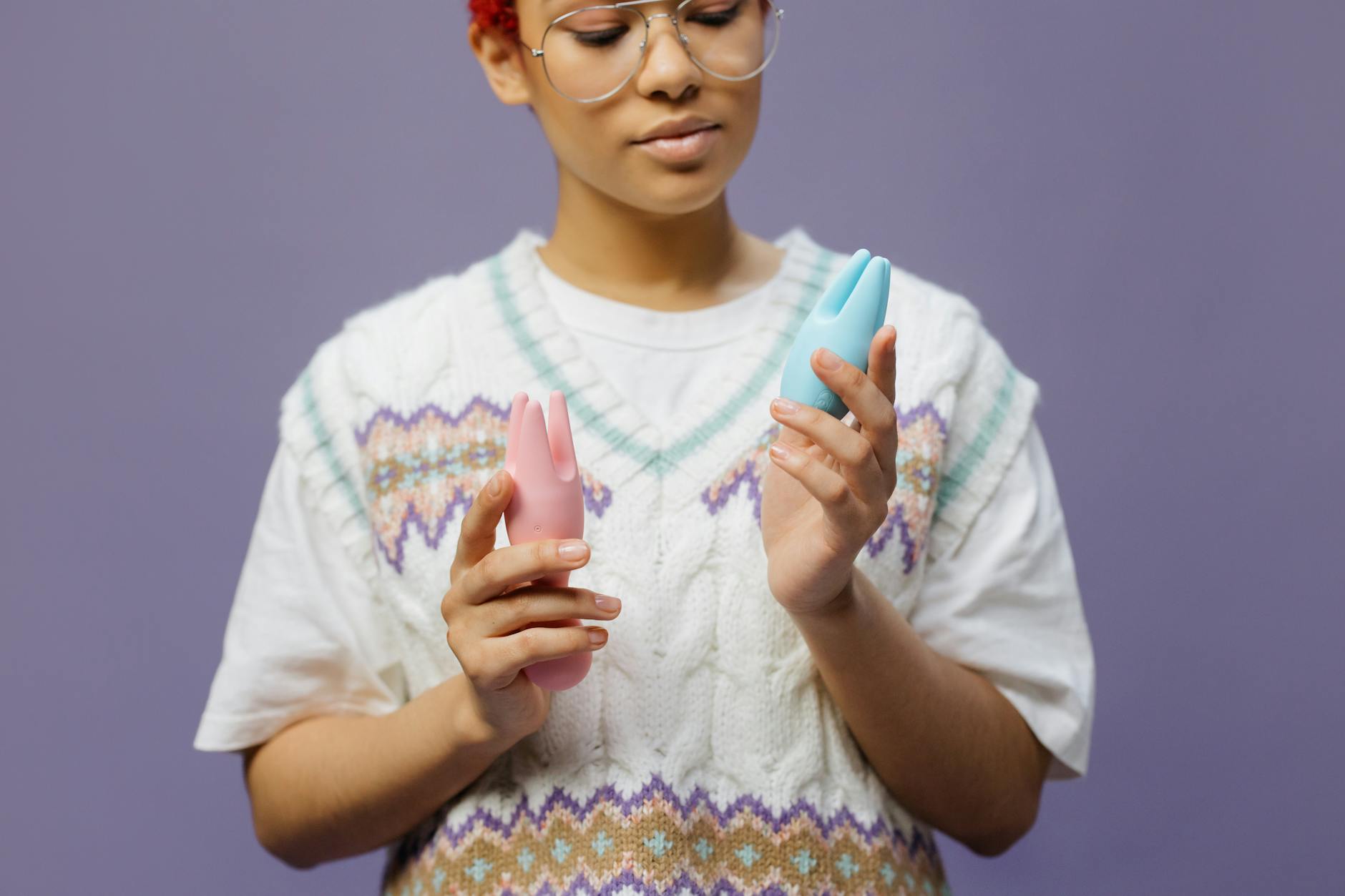
Returning to sex after a long break changes everything about how pleasure works
Let's be real. Whether you've stepped away from sex for six months, two years, or longer, your body isn't just picking up where it left off. The nervous system has adjusted. Arousal patterns have shifted. Sensation feels different, sometimes muted, sometimes overwhelming, sometimes both at once.
This isn't a flaw. It's actually protective. Your body learned to do without, and now you're asking it to remember something it's been protecting itself against. That takes time, gentleness, and tools that help bridge the gap without rushing.
Lemon clitoral vibrators matter here because they let you lead the pace. You control sensation, intensity, and timing in a way partnered sex often doesn't allow. That's not a second choice. That's the actual smart play when you're rebuilding.
Why the timing of arousal changes after a break
When you step away from sex, your body downregulates. The neural pathways that fire during arousal get quiet. Blood flow patterns shift. Pelvic floor muscles tense differently. These aren't permanent changes, but they're real ones, and they mean arousal takes longer to build than it might have before.
Two things happen mentally, too. First, your brain's threat detection system gets louder. Sexual situations can activate anxiety, self-consciousness, or a sense of being "out of practice" that actually interrupts arousal mid-way through. Second, you've had time without the neurochemical patterns that accompany regular sex. Dopamine, oxytocin, norepinephrine. Your brain expects lower baseline levels now, so returning feels foreign.
Add those two pieces together and you get something that looks like low desire but is actually just reactivation lag. It's not permanent. But it does mean you need 15 to 30 minutes of warm-up where you might have needed five before.
Building back sensation gradually with the right tool
Clitoral vibrators, especially lemon sucker-style devices like Hello Nancy's Lem, work well here because they don't require you to meet them halfway. You don't have to be already aroused for them to register. You don't have to perform. You can literally just be present.
Start with the lower settings. Not because you're broken, but because your nervous system is recalibrating and lower stimulation gives it room to respond without getting overwhelmed. Many people returning from a long break report that patterns 1 or 2 feel completely sufficient for the first few weeks. There's no medal for working up to pattern 6 immediately.
The suction mechanism works differently than vibration. It pulls blood into the tissue, which naturally increases sensitivity. For someone whose clitoral sensation has gone quiet from disuse, that gentle gathering of sensation can feel like the body waking up rather than being stimulated. The distinction matters psychologically.
The solo-first approach rebuilds confidence faster
This is not a forever decision. But initially, solo time with a clitoral vibrator teaches your body it's safe to respond again. You're not performing. You're not managing someone else's needs or pace. You're just exploring what sensation feels like in your own time.
I recommend committing to solo sessions first, at least four to six weeks, before bringing a partner back into the picture. This isn't about avoiding partnership. It's about establishing an internal baseline so that when partnered sex happens, you're not starting from zero. You know your body responds. You know what your arousal curve looks like now. You know what pace helps you get there.
During these solo sessions, use lube. Water-based lube, applied generously. Not because something is wrong, but because returning to sex after a long break often involves subtle shifts in natural lubrication, and external lube removes the pressure of your body "performing" correctly. It also just feels better, and pleasure that feels better creates positive associations faster.
Managing sensation when your nervous system is still cautious
Sometimes people returning from a long break find that sensation actually feels too intense, not too muted. This is a trauma response, and it's more common than you'd think. The body has been protecting itself, and suddenly asking for stimulation can feel like a threat rather than pleasure.
If this happens to you, actually start lower than the lowest setting, or use the device through clothing first. Yes, really. A lemon vibrator over your underwear delivers diffused sensation that's easier for a nervous system in protective mode to process. You can gradually work toward direct contact as your system calms down.
The other move is to pair vibrator time with grounding. Set a specific calm environment. Light some low-stress music. Use a scent that feels safe to you. These aren't fluff. They're signals to your nervous system that this is a contained, chosen experience, not something you're bracing against.
When your mind gets in the way more than your body does
After a long break, the body often catches up faster than the mind does. You'll hit a point where physically, arousal is returning. But mentally, you're skeptical. You're watching yourself instead of being in it. You're wondering if you're doing it "right" or worrying that this won't "work" and then you're not aroused anymore because you've left the experience.
This is normal, and it needs a different tool than just physical stimulation. Talk to yourself the way you'd talk to a friend learning something new. "I'm a little rusty, and that's fine." "My body is relearning, and it's allowed to take time." "Pleasure doesn't have to look like it did before."
If you're working with a partner during this phase, tell them what's happening inside your head. The actual words. "I'm going to go quiet sometimes while I focus on sensation. That's not a problem signal. That's me relearning." Partners are often relieved to have concrete information instead of guessing whether you're okay.
Pacing the return to partnered sex
Once you've established a few weeks of solo sessions and your arousal is building more reliably, partnered sex can start. But think of it like adding a new variable, not going back to baseline.
Start with non-penetrative time. Touching, kissing, whatever feels good without the specific pressure of "this should lead to sex." Let your partner see you using your lemon vibrator or another clitoral device. This does two things: it shows them how you're responding to stimulation (useful information), and it demystifies your own pleasure.
When penetrative sex does return, having established that you can reliably orgasm solo means you're not dependent on partnered sex for physical pleasure. That actually takes pressure off everything. You want your partner there, but you don't need them to validate that your body works.

Photo by Vanessa Loring on Pexels
The role of lube, patience, and lowered expectations
One of the biggest mental shifts when returning to sex after a break is letting go of the idea that your body should just work the way it did before. It won't, at first. Lubrication might be lighter. Arousal might plateau lower. Orgasms might feel different in intensity or sensation.
This is temporary. But experiencing it as a problem instead of as expected reactivation lag creates unnecessary stress. Use good lube. Budget more time. Let your partner know the timeline. Accept that week three might feel more responsive than week two, and that's totally normal.
Many people find that after about eight to twelve weeks of consistent solo exploration with a lemon clitoral vibrator or similar device, their body's responsiveness stabilizes at something close to their baseline. But "close to" doesn't mean identical. Sometimes, after a long break, the sensations that rebuild are actually better than before. The body has restarted, and that can be an opportunity.
People also ask
How long does it typically take for sensation to return after a long sexual break?
It varies, but most people notice meaningful changes within four to eight weeks of regular solo exploration. Full reactivation, where arousal feels as reliable and intense as it did before the break, often takes two to four months. The nervous system doesn't rush, so patience is the actual framework, not a limitation.
Is it normal to feel anxiety when starting sexual activity again after years away?
Completely normal. Your brain's threat detection system has had time to amp up, and suddenly asking for pleasure can trigger protective responses like anxiety or numbness. This is why solo time matters. It teaches your system that this is a safe, chosen activity before you add the variable of another person.
Can lemon vibrators help if sensation feels completely numb or absent?
Yes, but in a specific way. Suction-based clitoral stimulation like the Lem creates blood flow and nerve activation that diffuse vibration sometimes doesn't. If numbness is the issue, starting with a lemon sucker-style device often works better than traditional vibration alone. The sensation of gentle pulling can register even when vibration feels distant.
What if I can orgasm solo with a vibrator but not with my partner?
This is actually really common when returning to sex. Your solo experience is controlled, low-pressure, and entirely in your hands. Partnered sex adds variables: timing, attention, performance pressure. The solution isn't to force partnered orgasms. It's to let your partner participate in your solo exploration so they see how your body responds, and to be honest that partnered orgasms might take even longer to rebuild than solo ones.
Should I tell my partner I'm using a clitoral vibrator while rebuilding pleasure?
If you're in a committed relationship, yes. This doesn't have to be a big announcement. "I'm doing some solo exploration to rebuild my responsiveness" is enough. Many partners actually appreciate knowing because it removes the guessing about whether they're doing something "right." You're just relearning your own body, and they're along for it.
Is it okay if my body feels different than it did before the break?
Not just okay. Expected. Time changes everything. Your age might be different. Your hormone levels might have shifted. Your body might have different sensitivities. Approach it as discovering what feels good now, not trying to recreate what felt good then. That shift in perspective removes a huge amount of pressure.
You don't need permission to take your time
Returning to sex after a long break is not something to rush. Your body is recalibrating. Your mind is processing old narratives and building new ones. A lemon vibrator or clitoral suction device gives you a tool that lets you set the pace entirely, which matters more than any specific technique.
Start solo. Use lower settings. Budget more time than you think you need. Let sensation build gradually. Tell your partner what's happening if they're in the picture. And most importantly, trust that the pathway back to pleasure exists. Your body hasn't forgotten how to respond. It's just been resting, and now it's waking up.
If you have questions about rebuilding pleasure after a long break, or if you're navigating this transition with a partner, reach out. That's what we're here for.