Let's name what's actually happening
Painful sex with a partner is one of those things people don't talk about enough, which means most people experiencing it think they're alone. You're not. Pain during penetration, pressure discomfort, or that sharp sensation that makes you tense up before anything even happens.it affects far more people than anyone admits. And here's what matters: pain is not a sign you're broken. It's data. It's your nervous system telling you something needs to change.
That change doesn't always require a medical fix, though sometimes it does. But it almost always requires a different kind of stimulation, less pressure on specific areas, and a way to feel pleasure that doesn't hinge on the part of your body that's sending pain signals.
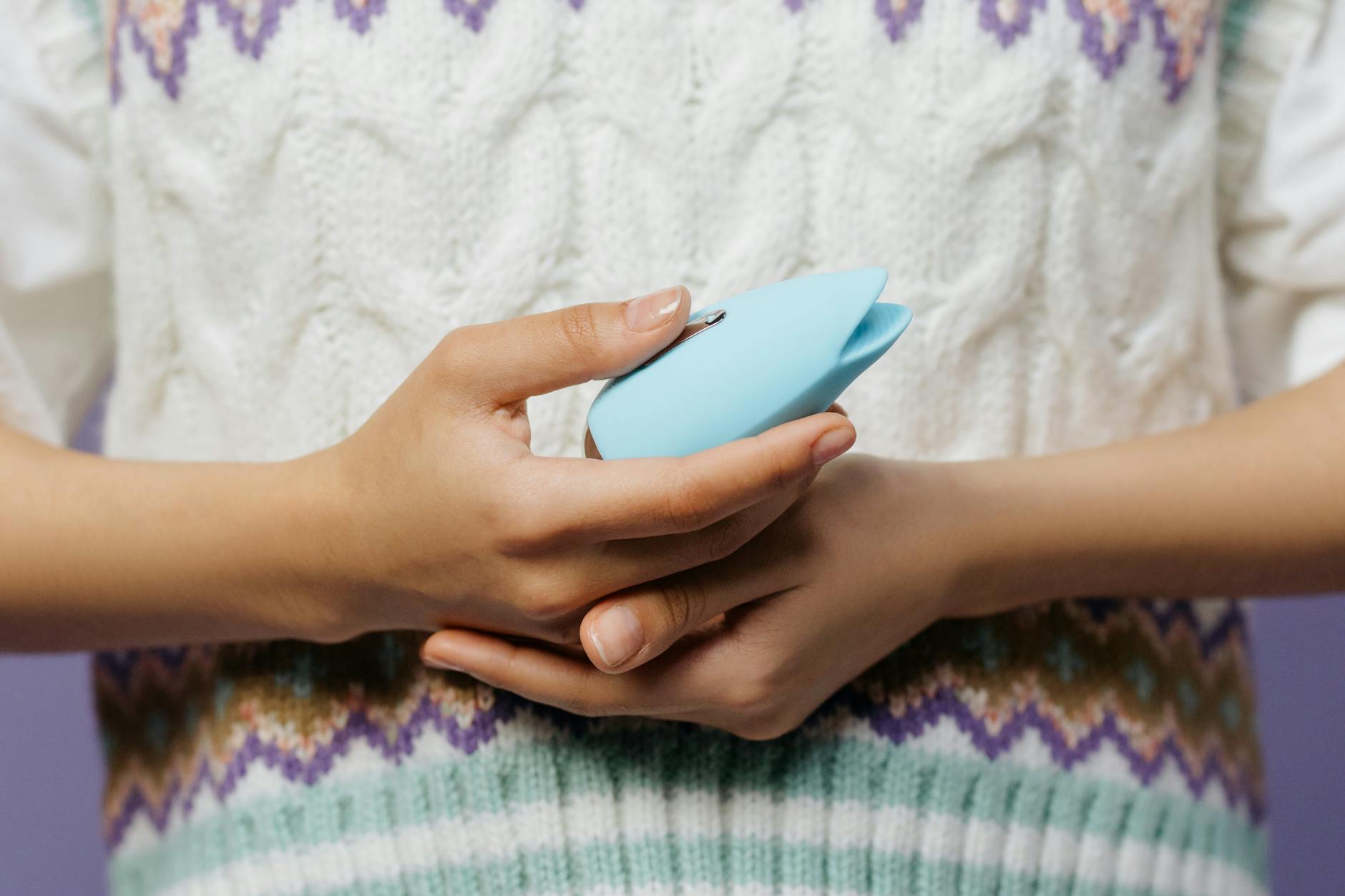
This is where lemon vibrators come in. Not as a workaround, but as a redirect.
Why penetration creates pain in the first place
There are medical reasons: vaginismus (involuntary pelvic floor tightening), vulvodynia (chronic vulvar pain), endometriosis, or scar tissue from childbirth or surgery. There are hormonal reasons: low estrogen thins vaginal tissue and reduces natural lubrication. There are psychological reasons: anxiety, trauma history, or learned tension. And there are logistical reasons: your partner's rhythm doesn't match your arousal, they're moving before you're ready, or the angle creates pressure on a tender spot.
Most often, it's a combination.
But what all of them have in common is this: your nervous system is protecting you. The pain is real, the protection is real, and pushing through it doesn't train it away. It reinforces it.
The lemon vibrator solves a specific problem
When you use a lemon clitoral vibrator during partnered sex, you're not replacing intimacy. You're changing the equation. Instead of your pleasure depending on penetration (the thing that hurts), it depends on direct clitoral stimulation. Your partner is still inside you or present with you, but they're not the sole source of sensation anymore.
This shift does three things at once:
First, it removes the performance pressure. You're not waiting for pain to happen. You're actively generating pleasure. That's a totally different nervous system state.
Second, it gives your pelvic floor permission to relax. When you're experiencing pleasure independent of penetration, the muscles don't have to tense protectively. They can soften.
Third, it proves to your brain that partnered sex can feel good. Neurologically, you're creating a new pattern. Good sensation plus partner presence equals safety. That rewires the association faster than talking about it ever will.
How to actually use a lemon vibrator with a partner
Start with conversation outside the bedroom. "I want to use a vibrator during sex" doesn't need to be complicated, but it needs to happen when you're both clothed and calm. Try: "I've been experiencing pain, and I want to try something that might help both of us enjoy this more. I'd like to use a vibrator during sex. Would you be open to that?"
Most partners are. Some feel initially insecure. If that happens, separate two conversations: "This isn't about you not being enough" (feelings) and "Here's what happens when I use a lemon vibrator" (logistics). The first is about reassurance. The second is about information.
When you're actually together, the timing matters. Use the vibrator during foreplay, before penetration starts. Let your nervous system build positive sensation without pain in the picture. Position yourself and your partner so there's room for the vibrator. The lem's compact design helps here. It's not a wand that takes up space. It fits in your hand, yours or theirs.
If penetration happens, you can keep the vibrator on your clitoris. Your partner can be present, but they're not the pressure point anymore. The vibration is.
Stop if anything hurts. This isn't about pushing through. It's about proving pleasure is possible.
When your partner can hold the vibrator
Some couples find it works better if the partner holds the vibrator. This puts them back in an active role (which helps with initial insecurity), gives you freedom to focus on sensation, and makes the whole thing feel collaborative rather than like you're managing pain solo.
Talk about pressure, speed, and pattern. The Hello Nancy lemon clitoral vibrator has intuitive controls. Show your partner how to use it. Let them know what feels good and what doesn't. This is another conversation that builds intimacy.
If your partner gets tired, you take over. There's no rule here except that it works.
What happens after a few times
Your nervous system starts to rewire. The association between partner sex and pain begins to loosen. Some people find that after using a vibrator for several weeks, the pain decreases even without the vibrator present. Others find they want to keep using one because it just feels better. Both are fine.
The pain might not disappear completely if there's an underlying medical condition. See a pelvic floor physical therapist or gynecologist if it doesn't improve within a month. But in the meantime, a lemon vibrator lets you have pleasure and intimacy instead of waiting for pain to go away first.
The conversation piece nobody mentions
Here's what happens after a few good experiences: your partner often becomes invested in your pleasure in a new way. Using a vibrator together isn't a compromise. It's a skill. They learn what you respond to, what rhythm works, where the sweet spot is. That's information they take with them. The vibrator becomes a tool you both understand.
And your partner gets to see you experience real pleasure. Not resigned pleasure. Not managed pleasure. Actual sensation. Many people find that watching their partner have an orgasm from direct clitoral stimulation is hotter than they expected. The vulnerability of being present for that, the intensity of it.that changes something.
When to loop in a professional
If pain is severe, gets worse, or doesn't improve after a few weeks of using a vibrator, see a doctor. Endometriosis, vaginismus, and vulvodynia all need proper diagnosis. A pelvic floor physical therapist can teach you how to relax muscles that are holding tension. A sex therapist can help if there's trauma or deep anxiety involved.
A vibrator is not a replacement for medical care. It's a tool that works best when you're also addressing the underlying cause.
But in many cases, the pain is partly about protection and partly about stimulation mismatch. A lemon clitoral vibrator addresses both. It gives your nervous system a reason to relax and your body a source of pleasure that doesn't require the painful part to work.
FAQ
Will using a vibrator make partnered sex feel less intimate?
No. Intimacy is presence, communication, and shared pleasure. A vibrator doesn't reduce any of those. In fact, many couples report that using one together deepens intimacy because there's less performance anxiety and more genuine connection. You're solving a problem together instead of suffering through it separately.
Can my partner and I both feel pleasure when I'm using a vibrator during penetration?
Yes. The vibrator is on your clitoris. Your partner feels the effects of your pleasure, your relaxation, and the overall sensation. Many people find this is actually more satisfying than traditional penetration because you're present and enjoying it instead of managing pain.
How long does it take for pain to decrease if I use a vibrator regularly?
It varies. Some people notice improvement within a week. Others take several weeks. Your nervous system is learning that partnered sex can feel good, and that learning curve is different for everyone. Consistency helps more than frequency. Two good experiences a week is better than forcing it seven times.
What if my partner is uncomfortable with using a vibrator?
That's worth addressing directly. Ask what the discomfort is about. Is it insecurity? Newness? Practical concerns? Most of those are solvable with conversation. If a partner refuses to try something that would reduce your pain, that's information about whether they're prioritizing your wellbeing. A good partner wants you to feel good.
Do I need a specific kind of vibrator for painful sex?
Not necessarily, but design matters. You want something with pinpoint stimulation (not broad pressure), intuitive controls, and a size that feels manageable. A lemon clitoral vibrator is designed for precision. But any vibrator that feels good to you is the right one.
What if the vibrator makes things worse?
Stop and reassess. Sometimes it's the wrong vibrator. Sometimes you need a lower intensity or different pattern. Sometimes the pain has a medical cause that needs treatment first. Don't push through discomfort with a vibrator any more than you would with penetration. The goal is pleasure, not endurance.
The actual path forward
Painful sex with a partner doesn't have to be something you endure. It can be something you solve. A lemon vibrator is one tool in that solution. It works best alongside open communication with your partner and professional support if needed. But it works. For many people, a lemon clitoral vibrator is the thing that makes partnered sex feel good again. Not eventually. Now.