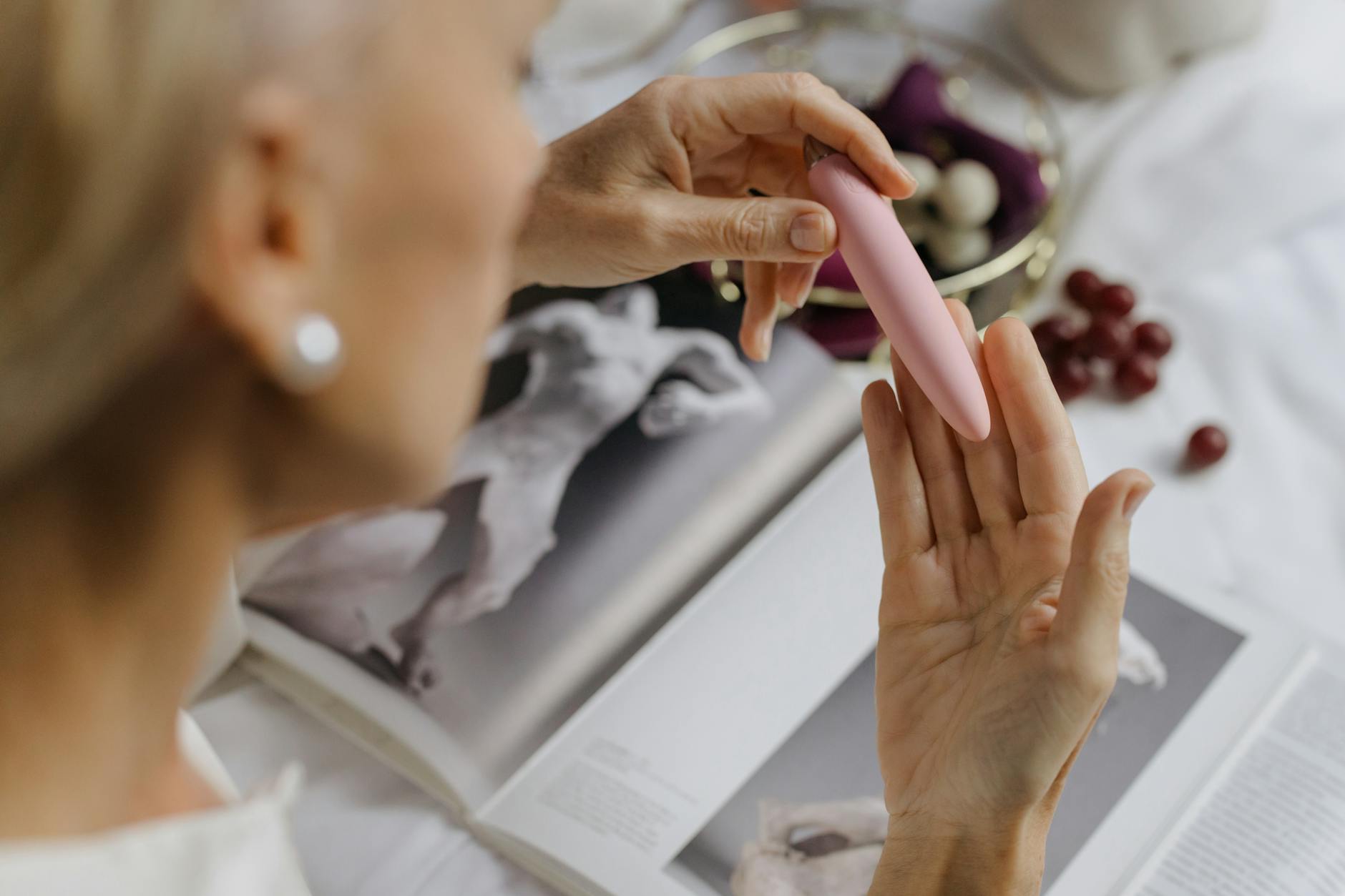
Let's be real about medication and desire
Your antidepressant didn't kill your sex drive. Your antihistamine didn't erase your ability to orgasm. But your blood pressure medication, your decongestant, your anxiety med? They absolutely did steal your lubrication. And stolen lubrication feels like stolen desire because friction kills everything.
Here's the thing nobody tells you: dryness is not a sexual problem. It's a lubrication problem. And that distinction changes everything about how you approach pleasure.
Which medications actually cause this
Over 200 medications list "vaginal dryness" as a side effect, but the biggest offenders are:
Antihistamines (for allergies). They dry out mucus membranes everywhere. Your nose, your throat, your vulva. H1 blockers like diphenhydramine hit hardest.
Anticholinergics (for overactive bladder, anxiety, GI issues). These block the nervous system signals that trigger natural lubrication. Oxybutynin, hyoscyamine, even some antidepressants carry anticholinergic load.
SSRIs and SNRIs (for depression and anxiety). Sertraline, paroxetine, venlafaxine. They often tank libido directly, but the dryness compounds the problem. You're not just less aroused. You're less lubricated when you do get aroused.
Decongestants. Pseudoephedrine dries everything out, including your vulva.
Beta blockers and ACE inhibitors (for blood pressure). They reduce blood flow to erectile tissues and decrease natural lubrication.
The mechanism is usually one of two things: either the drug blocks acetylcholine (the chemical that triggers lubrication) or it reduces blood flow to the vulva. Either way, you're starting from a deficit.
Why standard vibrators fail when you're dry
Most vibrators work by creating friction plus vibration. A wand vibrator needs you to glide it across your skin. A bullet needs the right pressure to feel good. A rabbit needs enough lubrication that the insertable part doesn't drag.
When you're medication-dry, friction amplifies. It stops feeling good and starts feeling like work. You might orgasm, but you'll feel raw afterward. Or you won't orgasm at all because the friction takes you out of the moment.
This is where lemon clitoral vibrators work differently.
How air-suction technology bypasses the dryness problem
Lemon vibrators use gentle suction rather than direct friction. The technology cups the clitoral area and creates a rhythmic pulsing sensation. This matters when you're dry because suction doesn't depend on glide.
With a standard vibrator, you need:
Lubrication + pressure + rhythm = sensation.
With a lemon clitoral vibrator, you need:
Gentle contact + suction + rhythm = sensation.
The suction works on nerve endings in a completely different way. It's less about surface friction and more about negative pressure creating sensation deep in the tissue. You can use a lemon vibrator with minimal lubrication and still feel incredible. Many people find it actually feels better when they're dry because the suction creates more defined, concentrated sensation.
I've worked with clients on antihistamines, on SSRIs, on bladder medications. The pattern is consistent. They tried standard vibrators. They added lube. They got frustrated. Then they tried a lemon vibrator and reported immediate relief. Not because it's magic. Because the mechanism sidesteps the problem entirely.
Lubrication strategy when you're on medication
Even with a lemon clitoral vibrator, you might still want lubrication. Not because you need it to survive, but because it can feel nice. Here's the smart approach:
Water-based lube is your friend. It feels closest to natural lubrication and won't degrade your toy. Apply it generously around the area where the suction cup makes contact. You don't need to coat your entire vulva. A quarter-size amount goes a long way.
Silicone lube lasts longer but requires care. It won't evaporate or dry out during a longer session. But silicone lube can damage some toy materials, so check your device instructions. Lemon vibrators are usually silicone-safe, but verify.
Hyaluronic acid serums are underrated. Some people find that a hyaluronic acid vulvar serum (not just facial serum, but formulas designed for genital skin) helps over time. It's not a quick fix, but used daily, it can improve baseline moisture. It won't turn medication dryness into natural lubrication, but it takes the edge off.
Don't skip warm-up. Take longer than you usually would. Fifteen to twenty minutes of foreplay or solo touching. Blood flow increases lubrication even when your medication is working against you. The extra time pays off.
Photo by Olga Lioncat on Pexels
Starting with a lemon vibrator when you're dry
If you're new to the lemon clitoral vibrator after dealing with medication dryness, here's the honest setup:
Start on the lowest setting. Seriously. The suction can feel intense when you're expecting traditional vibration. Intensity 1 or 2 on the Lem gives you the sensation without overwhelming nerve endings that might be sensitive from dryness. You can always turn it up. You can't unring the bell if you went too hard too fast.
Hold the device gently. You don't need pressure. The suction does the work. A light touch means the seal is better anyway, so you get more sensation with less effort.
Work with the seal. Make sure the silicone cup is making full contact around your clitoris. If you're getting air bubbles, the suction breaks and you lose the whole effect. Position it so the opening sits over your clitoris fully.
Give yourself permission to use lube. Some people feel like they "should" be able to orgasm from a vibrator without lube. But you're on medication that blocks lubrication. That's not a personal failing. That's chemistry. Water-based lube is a tool, not a crutch.
What happens over time
Two things I've observed with clients who use lemon vibrators while on drying medications:
First, orgasms often feel different. Deeper, more concentrated, sometimes longer. This isn't surprising. The suction technology creates sensation in tissue that standard vibrators might miss entirely. You might spend three months thinking you can't orgasm easily while on your medication, then try a lemon vibrator and discover you can. The medication didn't change. The tool did.
Second, sensitivity shifts. When you stop forcing friction on already-dry tissue, irritation decreases. This creates a small window for your own lubrication to return. Not all the way. Your medication is still doing what it does. But enough that your second session feels better than your first.
When to talk to your doctor
If the dryness is severe enough that even basic touch causes pain, or if it's affecting your daily life (not just pleasure), mention it to your prescriber. They have options:
Try a different medication in the same class. Not all SSRIs cause dryness equally. Bupropion, for instance, is less likely to cause sexual side effects than sertraline.
Add a dose adjustment. Sometimes lowering the dose helps without losing symptom relief.
Add a separate medication to counteract the dryness. Pilocarpine is sometimes prescribed for medication-induced dry mouth and vulvovaginal dryness.
Consider topical estrogen. If you're not on hormonal contraception, a small amount of estrogen cream can help tissue stay plump and naturally lubricated without systemic effects.
But here's what matters right now: you don't have to wait for your doctor's approval to try a different tool. A lemon clitoral vibrator isn't medication. It's a device that works with your body's current reality, not against it.
The real conversation
Between you and me, medication-induced dryness sits in a weird space. It's a side effect you feel in your body. But it's not the medication failing you. It's your body doing exactly what the medication is supposed to do, and the cost is dryness.
That means you're not broken. Your medication isn't wrong. You just need to adjust the approach. A lemon vibrator, extra warm-up time, maybe some lube, and patience with yourself. Your pleasure is worth the extra steps.
People also ask
Can I use a lemon vibrator if I'm on antidepressants and have low sensation?
Yes. In fact, air-suction technology often works better for people on SSRIs or SNRIs than traditional vibrators do. The mechanism is different. You're not relying on friction to create sensation. Suction activates nerve endings in a way that bypasses some of the numbness. Start low and give it three to five sessions before deciding if it's working. Sensation surprises sometimes.
Will switching to a lemon clitoral vibrator make my natural lubrication come back?
Not directly. The medication is still blocking lubrication. But removing friction from the equation takes pressure off your body. Some people find their baseline lubrication improves slightly once they stop forcing dry friction. It's not a fix, but it's often better than before.
Is medication-caused dryness permanent?
Not always. If you stop the medication, lubrication usually returns within weeks to a few months. If you're staying on the medication, the dryness usually stays. That said, your body adapts. Tissue sensitivity changes. What felt impossible in month two might feel manageable in month six. Be patient with the adjustment.
Can I combine a lemon vibrator with penetrative toys if I'm dry from medication?
Sure, but sequence matters. Use the lemon clitoral vibrator first to warm up and increase blood flow. Your natural lubrication (even if reduced) will increase slightly. Then introduce a smaller, well-lubricated insertable toy if you want that sensation. Always start with water-based lube and take your time.
What if suction feels too intense when I'm dry?
Lower the intensity. The lowest settings on most Hello Nancy lemon vibrators are genuinely low. You might also try brief pulses instead of continuous suction. Some devices let you adjust the pattern. And remember, lube helps even with suction. Adding water-based lube can soften the sensation.
Does every medication that causes dryness respond the same way to a lemon vibrator?
Practically, yes. The mechanism (reduced lubrication from medication) is what matters, not which medication causes it. Whether you're on an antihistamine, an SSRI, or a beta blocker, the dryness is the same problem. A lemon clitoral vibrator solves that problem the same way. Your pleasure doesn't care which medication dried you out.
The takeaway
Medication dryness is real and it sucks. But it's not a reason to accept numb, uncomfortable, friction-filled pleasure for the next five years. A lemon vibrator works differently than traditional vibrators specifically because it sidesteps the lubrication problem entirely. You deserve pleasure that fits your actual body, not your body before medication. Let your tools meet you where you are.
Have questions about using a lemon clitoral vibrator with medication side effects? We're here to talk. Get in touch with Hello Nancy.