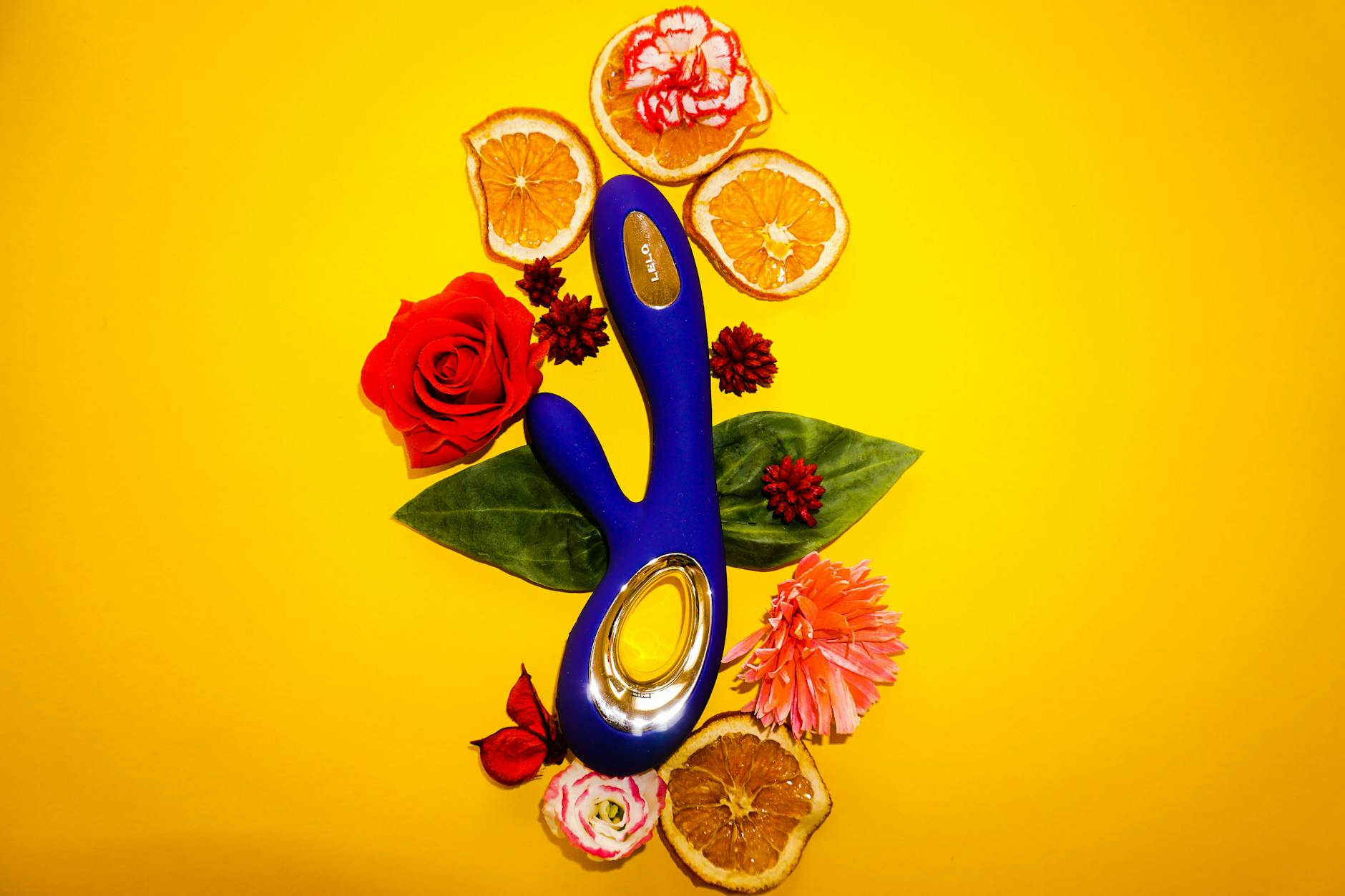
Let's be honest about this part first
Divorce is grief. It's also, sometimes, relief. And somewhere in that complicated tangle of emotions, you might notice something else: a sudden awareness that your body is yours again. Not in a spiritual sense. Literally yours. No one else's schedule, no one else's preferences, no one else's timing.
This is the part nobody prepares you for. After years of partnered sex (or the absence of it), the idea of pleasure on your own terms can feel both thrilling and absolutely terrifying. You might not even know what your own preferences are anymore. That's not a failing. That's just what happens when you've spent a decade calibrating your body around someone else's needs.
Here's what I've seen work: starting small, giving yourself permission to be curious without judgment, and using tools like lemon clitoral vibrators that make solo exploration feel intentional rather than desperate. Let's talk about how.
Why solo pleasure feels different (and harder) after divorce
Your brain has spent years in a partnered system. Even if that system was broken, even if you're relieved to be out of it, your nervous system is used to anticipating someone else's presence, someone else's expectations, someone else's timeline. Solo pleasure requires you to flip that switch. You're not preparing for someone. You're not performing for someone. You're not waiting for someone to be ready.
This should feel liberating. Sometimes it feels lonely instead.
There's also the shame narrative that many people inherit. Masturbation after divorce can feel like you're admitting the marriage failed, or that you're "giving up" on partnered sex, or that you're broken. None of that is true, but the voice in your head doesn't always listen to logic. It listens to years of internalized messaging about what good women do, what respectable people want, what you should feel.
The clinical reality is simpler: solo pleasure is not a consolation prize. It's a foundation. When you know what your own body responds to, when you've spent time understanding your own arousal, when you've given yourself permission to prioritize your own sensation, you become a better partner later (if you want a partner). More importantly, you become comfortable with yourself. That's the real win here.
Starting with lemon vibrators if you're new to solo toys
Lemon clitoral vibrators like the Lem are designed specifically for people who are nervous about intensity. They use gentle suction instead of direct vibration, which means you get stimulation without the jarring sensation that can feel too much if you're already anxious about the whole situation.
Here's the practical part: if you've never used a toy before, start with pattern one. Not because you're fragile, but because your nervous system needs time to learn what sensation feels good without stress. Set a timer for five minutes. Not because you have to come, but because you're allowed to stop whenever it doesn't feel right anymore. There's no deadline here. There's no performance. If nothing happens in five minutes, that's data. It means you need longer warm-up time, or you need to focus on a different type of touch, or you need to find a moment when you're more mentally present.
Many people I work with find that after years of partnered sex where they're only half-present (thinking about whether the kids can hear, whether they're taking too long, whether they're being interesting enough), they've forgotten how to be fully in their own body. This takes practice. The lemon sucker approach works because it's specific enough to give you something concrete to focus on, but gentle enough that you don't feel pressured to perform even for yourself.
Creating the right environment for solo rediscovery
I'm not going to tell you to light candles and play music. If that's your thing, great. But many post-divorce clients tell me they felt more anxious trying to create a "romantic" setting. You're not trying to seduce yourself. You're trying to learn what your body wants.
What actually matters: a locked door, a phone on silent, and ten minutes where you're not thinking about your to-do list. The location is less important than the certainty that you won't be interrupted. Many people find that midday, after lunch when they're less mentally cluttered, works better than late at night when they're tired. Some people prefer early morning. Pay attention to when your mind is actually available.
Clothing matters more than most people think. You don't need to be naked. Some people find it easier to start fully clothed and just move underwear aside. Some people need to be completely bare. Try both. There's no rule here except your own comfort.
Moving from "trying" to actual arousal
One of the biggest shifts I see post-divorce is people releasing the idea that arousal should be automatic. In a partnered context where you're not that into it, you might have been pushing through the first fifteen minutes, waiting for your body to catch up. Alone, you can actually wait for that shift before you start.
Spend time on non-genital touch first. This sounds precious, but it's actually practical. Five minutes of noticing what your shoulders feel like, what your chest feels like, what your inner thighs feel like without direct stimulation. This is called building arousal slowly, and it's the thing that actually changes pleasure from a mechanical process into a sensory one.
When you do bring a lemon clitoral vibrator into the picture, start with the gentlest pattern. Glide it across the area without pressure. Pay attention to which specific spots feel responsive. Your arousal pattern probably changed since your last relationship. Your body might be more sensitive now, or less. It might respond to different kinds of touch. This is information, not disappointment.
One thing I notice people don't expect: solo arousal often takes longer, but it also often feels more intense. When you're not watching the clock, when you're not managing someone else's experience, when you're not performing, something shifts. The depth of sensation increases. The orgasm, when it comes, is often different than you remember. Sometimes better. Sometimes just different. Both are fine.
Handling the grief and guilt that shows up
This is the part the sex advice columns don't talk about. Halfway through touching yourself, you might suddenly be angry. You might think about your ex. You might cry. You might feel guilty for experiencing pleasure at all.
This is normal. Your body is remembering, processing, and also learning something new. These threads can coexist. Pleasure after divorce doesn't mean you're over the divorce. It doesn't mean you're bad for wanting to feel good. It means you're taking your life back, one sensation at a time.
If you find that grief is completely overwhelming you, if you can't access any arousal, if the body shame is too loud. That's information, too. It might mean you need to work through some of that with a therapist before solo exploration feels okay. That's not a failure. That's wisdom about your own timeline.
Moving from solo exploration to feeling like yourself again
The goal here isn't to become some kind of certified masturbator. The goal is to get back to a place where you know what feels good, you're not ashamed of wanting pleasure, and your body feels like it belongs to you. When that happens, other things shift. You stand differently. You make eye contact easier. You feel more grounded in your own skin.
For many people, using lemon vibrators or other tools during solo play becomes the bridge between "I don't recognize my own body" and "this body is mine and it feels good." It's not about the device. It's about having something that works consistently, that you can rely on, that doesn't judge you or have demands.
After divorce, that reliability matters. After years of someone else setting the pace, someone else deciding when sex happens, someone else having opinions about your body and your desire, you need something that's purely yours. How to Rebuild Emotional Intimacy After Using Lemon Vibrators Solo goes deeper on integrating solo practice into your larger relationship with yourself and, eventually, with others if you want that.
When to bring a partner back into the picture
There's no timeline for this. Some people want to be solo for six months. Some want years. Some meet someone three weeks after the divorce and that person helps them heal. There's no right answer, and anyone who tells you there is hasn't done the work of understanding their own grief.
If you do decide to explore with a new partner, having spent time solo first is genuinely valuable. You know what your body responds to. You're not starting from zero. You're not trying to teach a new partner the same things you're learning about yourself. You can come to that encounter with more confidence and more knowledge.
Most importantly, you've already proven to yourself that pleasure is accessible to you. That you deserve it. That your body still works, still feels, still responds. That's not small. After the identity fracture of divorce, that's everything.
FAQ
How long does it typically take to feel comfortable with solo pleasure again after divorce?
This varies widely, but many people report that the first solo experience feels awkward, and the second one slightly less so. By week three or four of consistent gentle exploration, most people move past the awkwardness. The real shift often happens around the two-month mark, when you realize you're not thinking about whether you should be doing this anymore. You're just doing it. Give yourself at least that timeline before deciding it's not working.
Is using a lemon clitoral vibrator after divorce a sign I'm not healing?
No. It's actually the opposite. Using a tool to explore your own pleasure is an active choice to reclaim your body. That's healing. There's a difference between using a vibrator because you're avoiding connection and using one because you're actively rebuilding your relationship with your own sensation. The intention matters, not the tool.
What if I don't feel aroused during solo time? Does that mean something is wrong?
Not necessarily. First, check the basics: Are you in a safe space? Is your mind actually available, or are you running through work problems? Are you hydrated? Have you eaten? Second, arousal sometimes needs more time than you think. Give yourself twenty minutes of non-goal-oriented touch before deciding nothing is happening. Third, if arousal consistently doesn't show up, that might point to something worth exploring with a therapist. Sometimes low desire after divorce is grief. Sometimes it's disconnection from your body. Sometimes it's both.
Can I use lemon vibrators if I don't have a lot of sensation down there?
Yes. The suction mechanism of lemon clitoral vibrators actually works really well for people with reduced sensation because it stimulates a larger area and uses pressure rather than just vibration. How Lemon Clitoral Vibrators Improve Sensation for People With Reduced Feeling breaks down the neuroscience here. If your sensation has changed post-divorce, or if you're on medications that affect sensitivity, this is worth exploring.
What if using a vibrator brings up shame or uncomfortable emotions?
That's really common, especially after a relationship where someone was judgmental about your body or your sexuality. Shame is a learned response, not a fact. You can learn to unlearn it, but it takes time. If the shame is overwhelming, you might need to work through it with a therapist who specializes in sexual shame or relationship trauma. Solo exploration doesn't have to start with a vibrator. It can start with your own hands, in your own time, with no pressure. The vibrator is there when you're ready.
Is it okay to use lemon vibrators if I'm not sure whether I want partnered sex again?
Absolutely. Solo exploration is not a statement about your future relationship status. It's about your body, right now, today. Whether you end up wanting a partner again is a separate question that you can answer later, after you've had time to figure out who you are without a partner. Using lemon vibrators or exploring solo pleasure doesn't lock you into anything.
Moving forward
Divorce reshuffles everything, including your relationship with your own pleasure. What you knew before might not apply anymore. Your body might respond differently. Your wants might have changed. This is disorienting, but it's also an opportunity. You get to rebuild this relationship with yourself from scratch. You get to decide what feels good instead of negotiating around someone else's preferences.
Lemon clitoral vibrators, or any tool, are just a vehicle for that rediscovery. The real work is giving yourself permission. Permission to feel good. Permission to take time. Permission to not know the answers yet. Permission to be exactly where you are.
If you're ready to move past this phase and want to talk through what's next, whether that's rebuilding connection with a partner or deepening your solo practice, reach out. You don't have to figure this out alone.