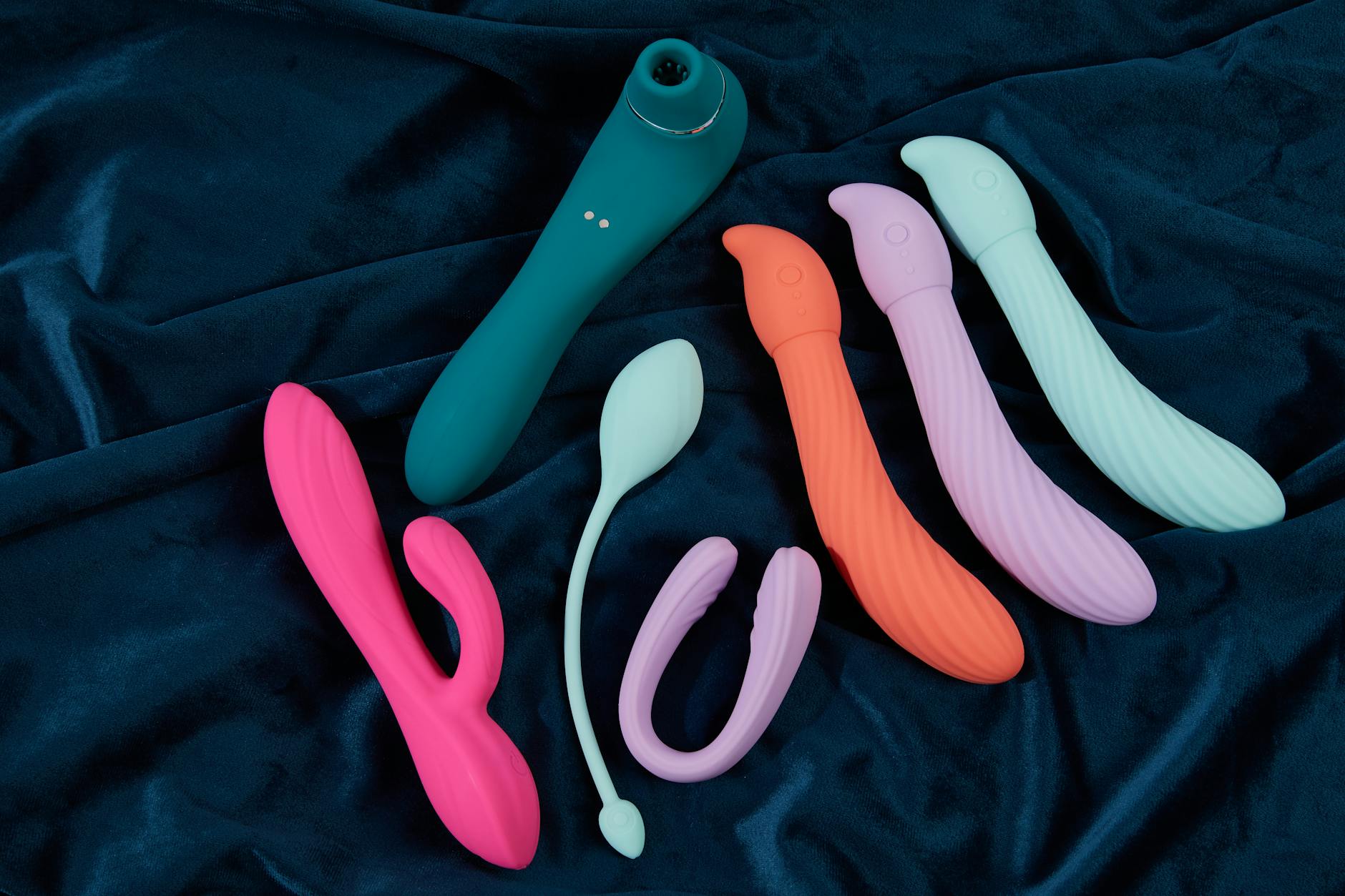
The real reason couples avoid toys together has nothing to do with the toy. Here's how to introduce a lemon clitoral vibrator into partner sex without awkwardness, tension, or performance pressure.
Let's be real. Most couples don't introduce toys because they're worried about the toy. They're worried about what it means. "Does she need this because I'm not enough?" or "Will he think I'm being weird?" These fears are understandable and widespread, but they're also almost entirely unfounded.
Here's what I see in my therapy practice: couples who use toys together report higher satisfaction, better communication, and more orgasms. Not "less genuine" intimacy. More. The suction technology in a lemon vibrator actually changes the physiology of arousal in ways that can intensify your partner connection, not diminish it.
A lemon clitoral vibrator works differently than a traditional vibrator because it uses air-pulse suction instead of direct vibration. This matters for couples because suction doesn't require the same continuous pressure or adjustment that vibration does. Your hands stay free. Your attention stays on each other. You're not managing a toy; you're using it as an extension of foreplay.
The sensation is also more localized, which means there's less risk of overstimulation or numbness that can happen with traditional vibration. For many people, this translates to more intense, more reliable orgasms. And here's the part couples miss: when your partner can reliably bring you to orgasm, the dynamic shifts from performance anxiety to genuine partnership.
You're not "trying to make it work." You're collaborating toward a clear outcome.
"I've been thinking about how we could explore more pleasure together" is a very different opening than "I want to get a vibrator." The first is collaborative. The second feels like a problem statement.
If your partner is hesitant, ask directly: "What are you worried about?" Don't let them say "nothing." Usually the fear is one of three things. "I'll be replaced" (unfounded, but hearing it matters). "It means something is broken" (also untrue, but needs naming). Or "I don't know how to use it and I'll mess up" (very fair, and solvable).
Address the actual fear, not the surface resistance. If they're worried about adequacy, remind them that you want them there, involved, present. The toy doesn't replace them. It enhances what you're already doing.
First time together, keep it simple. You set the scene. You're already intimate. Introduce it slowly.
"I want to try something. I ordered this, and I'd like to use it with you. You can control it, or I can, and we figure out what feels good."
Let them hold it first. Let them explore the intensity settings alone. Suction-based toys like a lemon vibrator have multiple settings, and the jump between them matters. Start at setting 1 or 2. The sensation is gentler than it looks.
If your partner is controlling it, give feedback immediately. "A little slower." "That rhythm." "Yes, exactly that." This isn't just communication; it's turning them on. You're literally directing their touch. That's powerful.
If you're controlling it, narrate what you're feeling. "This feels incredible right here." "The suction is building something." You're inviting them into your experience, not shutting them out.
The biggest mistake couples make is positions that separate them. If you're lying flat and your partner is holding the toy from the side, you're not facing each other. You're isolated in your own experience.
Try this instead: you reclined back slightly, partner beside you facing inward. They can see your face, maintain eye contact, use one hand on the toy and the other to touch you elsewhere. Neck, chest, inner thigh. The toy is one input, not the only input.
Or: partner enters you while using the toy externally. The dual stimulation changes everything, and you're facing each other the entire time. There's no question about connection here.
The key is that your partner can still touch you without the toy, maintain skin-to-skin contact, and see your responses in real time. That's not just practical; it's emotionally anchoring.
A lemon suction vibrator can feel intense. If your partner tries it at high intensity without warning, it can feel shocking rather than pleasurable. This is where communication becomes critical.
Before you start, agree on a system. "I'll say 'more' if I want intensity, 'less' if it's too much, and I'll tap your hand twice if I need you to stop immediately." This isn't kinky roleplay language. It's practical communication that removes doubt.
If you feel intensity building uncomfortably, speak up immediately. "Back it down to setting 2." Don't wait hoping it will feel better. The best part of using toys together is that adjustments are instant. Your partner isn't going to feel rejected if you ask for a change. They're going to feel trusted.
What you do after matters as much as what you do during. Don't jump up. Don't apologize for needing the toy. Don't overthink it.
Stay close. Talk about what felt good. Ask your partner what they noticed, what they enjoyed about watching or participating. This feedback loop is where couples actually build intimacy with toys, not before or during.
You might hear: "I loved seeing you respond that intensely." Or "The trust in that moment felt real." These aren't comments about the toy. They're comments about connection. This is why couples who use toys report feeling closer, not more distant.
If something didn't work, try to name why. "The angle was uncomfortable" is fixable. "I felt self-conscious" is addressable. Keep experimenting. You're building a shared language around pleasure, which is one of the most intimate things a couple can do.
In my practice, I notice that couples who've been together 5+ years often feel like they've exhausted the physical possibilities of their sex life. Introducing a lemon clitoral vibrator often reignites novelty without introducing a third person or creating performance pressure. It's a tool that says: we're still exploring, still curious about each other's pleasure, still willing to try new things.
For relationships that have settled into routine or where desire has dimmed, this resets the conversation. You're not trying to "fix" your sex life. You're actively choosing to expand it.
The research backs this up. Couples who incorporate toys report higher satisfaction and less sexual boredom over time. It's not because the toy is magic. It's because the willingness to experiment, communicate, and prioritize mutual pleasure is.