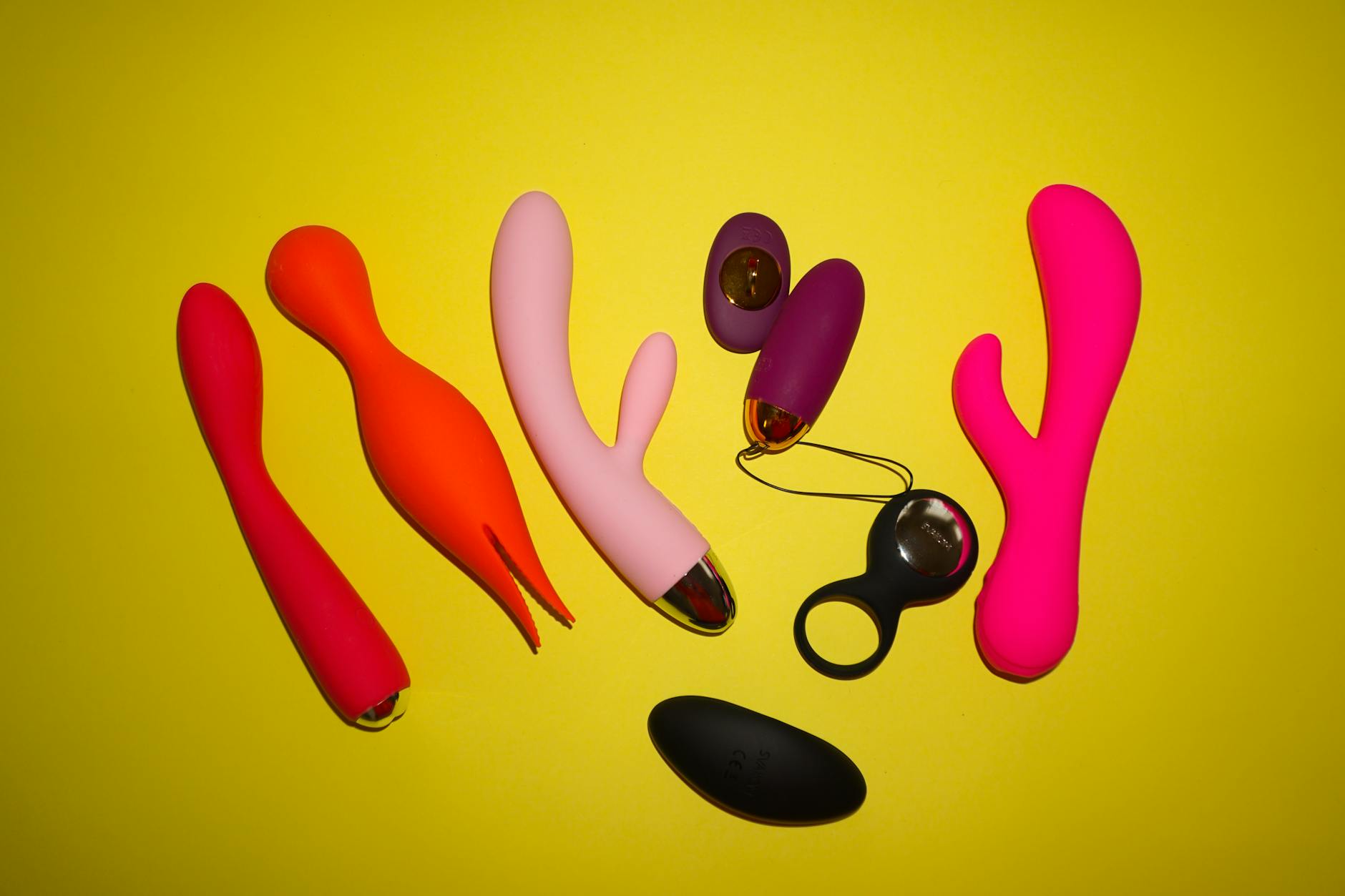
Here's the thing about sensitive skin and vibrators
If you've bought a traditional vibrator and walked away numb, sore, or frustrated, you're not broken. Your skin is just telling you something important: the tool doesn't match your anatomy.
Most people assume vibrators are all the same. They're not. The difference between a standard vibrator and a lemon clitoral vibrator is basically the difference between a jackhammer and a suction cup. One batters the tissue. The other coaxes it.
That distinction matters wildly if you have sensitive skin, thin tissue, or just prefer gentler stimulation that doesn't leave you raw.
What makes lemon vibrators different
Traditional vibrators work through oscillation. The motor creates a motor shakes the whole device at a set frequency (usually 50-100 Hz). That vibration travels through the toy into your tissue. On thick, resilient skin, that's fine. On sensitive skin, it can feel like someone's dragging sandpaper across you after 10 minutes.
Lemon clitoral vibrators use air-suction technology. Instead of vibrating, they create a gentle pulse of suction that draws tissue into a chamber, stimulates the exposed nerve endings, then releases. It's rhythmic, but it's not repetitive friction.
The effect is subtly different. Here's why that matters:
How air-suction distributes pressure
1. Broader surface contact. Traditional vibrators focus intensity into a small point. Lemon clitoral vibrators draw a larger circle of tissue into the suction cup. That spreads the stimulation across a wider nerve field. Same total sensation, distributed pressure.
2. No direct friction. Because suction creates movement vertically (drawing the tissue up and releasing it) rather than horizontally (rubbing across the surface), the outer skin doesn't get abraded. Sensitive skin stays intact.
3. Adjustable intensity. Most lemon adult toys let you dial the suction level up or down. Start at setting 1 and build. With traditional vibrators, intensity is usually all or nothing. On or off. With a lemon sucker, you have a gradient.
4. Reduced overstimulation. That numbness you feel after 20 minutes with a standard vibrator? It's called sensory adaptation. Your nerve endings get overwhelmed and literally stop firing. Because suction stimulates differently, many people find they can explore longer without that deadline.
Who benefits most
If any of these sound like you, a lemon vibrator is worth trying:
- You get sore after using traditional vibrators for longer than 15 minutes
- You prefer broader, gentler sensation to intense point stimulation
- You've been using vibrators for years and want to try something that feels genuinely different
- You have vulvodynia, lichen sclerosus, or other conditions that make friction uncomfortable
- You're post-menopausal and your tissue is thinner than it used to be
- You find most toys either too weak or uncomfortably strong with no middle ground
You don't need a medical diagnosis to benefit from gentler technology. Sometimes skin is just sensitive. It's not a problem. It's just information about what works for your body.
The tech details that matter
Not all lemon clitoral vibrators are the same. Here's what to compare:
Suction range. A good lemon vibrator will have 5-10 intensity settings. Too few and you don't have enough control. More is great, but 8-10 is the sweet spot before the differences become imperceptible.
Motor type. Some lemon adult toys use pulsing suction (quick on-off cycles). Others use wave suction (a rolling motion through the cup). Wave tends to feel less jarring and more like sustained pressure. It's worth experimenting to see which appeals to you.
Silicone quality. The cup material matters for comfort and durability. Medical-grade silicone feels softer and lasts longer. If the cup feels slightly sticky or has a chemical smell, it's probably lower-grade.
Waterproofing. If you like shower play, check the rating. Full waterproofing is better than water-resistant for longevity.
Battery life. Most decent lemon clitoral vibrators charge via USB-C and run for 2-4 hours per charge. That's typically more than enough unless you're traveling.
When you're comparing options, look at reviews from people with similar sensitivity to you. Someone with tough skin might love maximum intensity. If that's not you, their five-star review for power doesn't help. Seek out reviews from people saying things like "gentle," "no numbness," or "perfect for sensitive skin."
The first-time experience
Here's how to set yourself up for success with a lemon vibrator:
Start low. I know you're excited, but begin on setting 1 or 2. Let your body acclimate to the sensation. You can always go higher. You can't un-desensitize.
Use water-based lubricant. Suction works better with a tiny bit of slip. A water-based lube also reduces any micro-friction on sensitive skin.
Plan 20-30 minutes. Suction takes longer to build arousal than direct vibration, especially the first few times. Your body is learning something new. Give it time.
Experiment with positioning. Unlike traditional vibrators, the angle and pressure of suction matter. Gentle, centered contact feels different from pressing hard at an angle. Play with it.
Notice the buildup. Most people find orgasms from suction feel different. Often deeper, more diffuse, sometimes more intense. Your brain might need a few sessions to fully dial in the pattern.
Common worries, answered plainly
"Will suction leave marks?" No. Suction toys are designed to be gentle. They don't use the kind of force that creates hickeys. If it feels that intense, lower the setting.
"Is air-suction safe long-term?" Yes. There's no tissue damage risk if you're using quality products and not cranking intensity to the maximum every single time. Like any intimate tool, moderation and variety help.
"Can I use it with partners?" Absolutely. Many lemon clitoral vibrators are designed for partnered play. Some partners prefer the gentler sensation for hand-focused exploration too.
"How often should I use it?" As often as you want. There's no limit on lemon vibrator use, though giving your body variety (different positions, different toys, fingers sometimes) keeps sensation fresh.
Why sensitivity isn't a barrier
Here's the part that matters most: sensitive skin isn't a disadvantage when you find the right tool. Sometimes it's the opposite. Because sensitive skin picks up subtle sensations faster, you might actually experience more pleasure once you're using something that matches your anatomy.
That's not consolation. That's real. The people I work with who initially felt like they "couldn't use vibrators" because they were too sensitive often end up exploring pleasure more deeply once they find an approach that works. Sometimes a limitation is actually just a misdirection.
A lemon vibrator isn't a workaround for sensitive skin. It's technology designed around how sensitive skin actually responds. There's a difference.
FAQ: Common Questions About Lemon Clitoral Vibrators and Sensitive Skin
Why do traditional vibrators make me feel numb but suction doesn't?
Sensory adaptation happens when the same nerve endings fire repeatedly at high frequency. Your brain literally stops registering the input to conserve bandwidth. Air-suction stimulates differently. Instead of constant oscillation, you get rhythmic pulses. That pattern variation keeps your nervous system engaged longer. Many people can explore for 45+ minutes with suction without hitting the numb wall.
Can I use a lemon vibrator if I have vulvodynia?
Yes, often better than traditional vibrators. Vulvodynia involves pain triggered by friction or pressure. Suction reduces friction and distributes pressure across a wider area. That said, every person's triggers are different. Start on the lowest setting, use plenty of lubricant, and stop immediately if pain shows up. If you have diagnosed vulvodynia, it's worth asking your gynecologist for specific guidance on your tissue health before trying any new toy.
How is air-suction technology different from regular vibration?
Regular vibrators oscillate the entire toy at a set frequency, like a tuning fork. That vibration travels directly into tissue. Air-suction creates a sealed chamber that draws tissue upward, stimulates it, then releases. The motion is vertical and rhythmic, not horizontal and sustained. The result feels more like gentle pulsing pressure than buzzing friction.
Do I need lubricant with a lemon clitoral vibrator?
You don't absolutely need it, but a small amount of water-based lube makes the experience smoother and reduces any drag sensation. Lube also helps the suction seal more effectively. If you have naturally lower lubrication (common post-menopause), lube becomes more helpful. Use a tiny amount. Too much reduces the suction grip.
Is there a risk of bruising from suction toys?
Not with products designed for intimate use. These toys are engineered to be gentle. The suction force is much lighter than what would cause a hickey. If you're seeing bruising, the toy is being used incorrectly or at an intensity too high for your tissue. Back off the setting and check your pressure.
Can men use lemon vibrators too?
Suction toys aren't designed for penis anatomy, but partners of any gender can absolutely explore suction technology on different parts of their body. Some people with penises enjoy suction sensation elsewhere. It's worth experimenting if you're curious.
The bottom line
If you've had a rough time with traditional vibrators, it's not because your body is broken or you can't enjoy pleasure. It's because the tool didn't match your tissue. Lemon clitoral vibrators offer a genuinely different approach that works beautifully for sensitive skin, post-menopausal changes, or anyone who just prefers gentler stimulation.
The technology isn't new (suction toys have been around for years), but the quality has improved dramatically. If you tried one a few years ago and weren't impressed, modern versions are worth revisiting.
Your pleasure isn't a problem to solve. It's information to listen to. When you find the tool that matches your body, everything shifts.
Ready to explore what works for you? We're here to help. Drop us a line at contact if you have questions about what might suit your specific situation best.