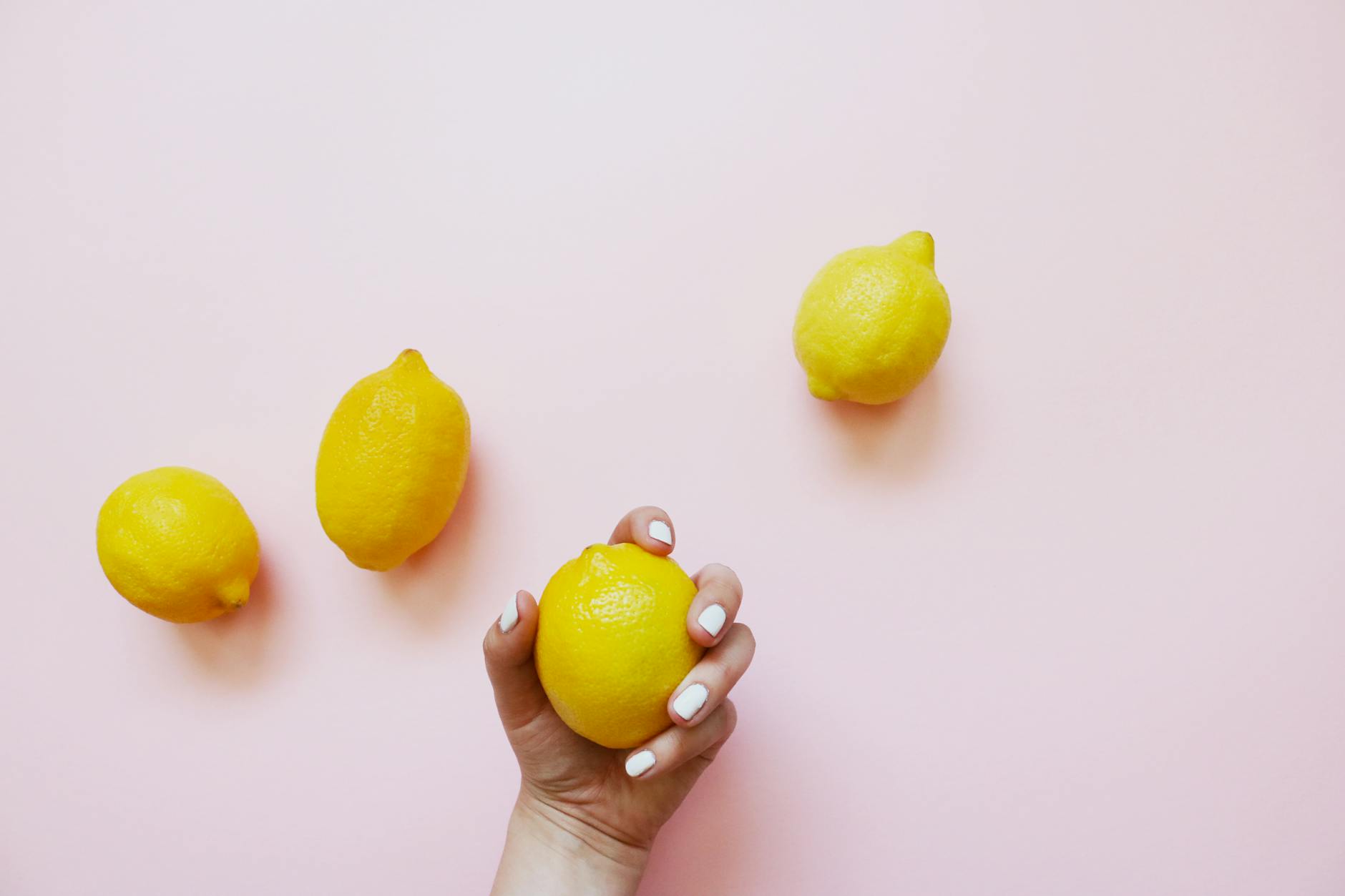
Here's the thing nobody tells you about stress and pleasure
You buy a lemon vibrator. You're excited. You set aside time. Then you try it and... nothing. Or worse, it feels almost uncomfortable, like your body's forgotten how to respond. You assume the toy is the problem. It's not. Your nervous system is.
Stress doesn't just make sex feel harder to access. It rewires the neurobiology of arousal itself. When you're in chronic stress or acute anxiety, your body literally cannot reach the same depth of pleasure, no matter how good the lemon clitoral vibrator is.
What stress actually does to your nervous system
When you're stressed, your sympathetic nervous system activates. This is the fight-or-flight state. Your body floods with cortisol and adrenaline. Blood vessels constrict. Your pelvic floor tightens. Your brain deprioritizes pleasure in favor of survival.
The parasympathetic nervous system is the opposite. It's the rest-and-digest state. Arousal lives here. Pleasure lives here. When you're stressed, you're neurologically locked out of this state.
Here's what this means practically: even if you're using a Lem vibrator, your tissues might not engorge properly. Your clitoral glans won't swell as much. The neural pathways that fire during pleasure feel muted. Your orgasm, if it comes, might feel shallow or delayed.
This isn't psychological weakness. This is neurobiology. Your body is working as designed. It's just designed to protect you first and feel good second.
Why the warm-up takes three times as long
When you're stressed, arousal doesn't build on its own. You need deliberate downshift.
Think of it like this: if your nervous system is revving at an 8, and pleasure starts at a 2, there's an enormous gap. A normal warm-up might take 5-10 minutes because you're already mostly there. When you're stressed, you're starting at a 9, and you need to get down to a 2 before pleasure even registers.
This is why rushing doesn't work. If you give yourself 10 minutes because you used to orgasm in 10 minutes, you're going to feel broken. You're not. You just need 25-35 minutes of genuine downtime before your body is ready.
The best approach is to front-load the non-sexual part. A real bath. A walk. Putting your phone in another room. Actual breathing work, not just thinking about breathing. Ten minutes of this does more for arousal than 20 minutes of direct stimulation when you're stressed.
The specific role of pelvic floor tension
Stress is stored in the pelvic floor. You probably know this if you've ever clenched your jaw or shoulders when anxious. Your pelvic floor does the same thing.
When your pelvic floor is tight, even the best lemon sexual toy won't feel as good. The sensation gets blocked by tension. The nerve endings aren't as receptive. It's like trying to feel a massage through a suit of armor.
Here's what helps: before you touch anything, spend 2-3 minutes just relaxing your pelvic floor. Breathe in for four counts, exhale for six. As you exhale, actively relax the muscles you'd use to stop peeing. This is the opposite of a Kegel. You're teaching your pelvic floor that it's safe to let go.
Many people find this alone transforms the experience. The toy doesn't change. Your body's capacity to feel it does.
Why your partner's touch might feel worse, not better
Here's something that surprises couples: during high stress, partnered touch sometimes feels invasive rather than soothing. Your nervous system is already in protection mode. Additional stimulation can feel like more threat.
This doesn't mean your partner's touch is bad or that something's wrong with your relationship. It means your nervous system needs solo time first. Sometimes the kindest thing a partner can do is not touch you until you've had time to decompress and reconnect with your own body.
If you do want partnered pleasure while stressed, the slowest, most passive form usually works best. Think: them holding you while you use a Lem vibrator. Not switching in. Just presence. Their job is to be calm and steady, not stimulating.
The dopamine-cortisol competition
Dopamine is the reward neurochemical. Orgasm is a dopamine event. But cortisol (the stress hormone) suppresses dopamine production.
What this means: your brain literally has reduced capacity to register pleasure when you're stressed. You could have the most intense orgasm your body is physically capable of, and it might feel muted. Not because the orgasm is small. Because your brain's ability to feel rewarded is temporarily diminished.
This is temporary. But it also means that pushing through stress to orgasm often backfires. Instead of feeling satisfied, you feel frustrated because the payoff doesn't match the effort. Better to wait until your cortisol drops and dopamine comes back online.
What actually helps (besides time)
Four concrete practices:
1. Movement before pleasure. Exercise depletes stress hormones. A 20-minute walk, yoga, or dancing actually prepares your body for arousal better than meditation alone. You're metabolizing the stress chemistry so it can't block pleasure.
2. Temperature shifts. A warm shower or bath lowers cortisol directly. Bonus: it also increases blood flow to your genitals. Cold water does the opposite.
3. Scent and sound. These bypass your thinking brain. A candle or a playlist you find genuinely soothing signals safety to your nervous system faster than willpower. This sounds small. Neurologically, it's significant.
4. Consistency, not intensity. When you're stressed, using a lemon vibrator gently for 20 minutes works better than aggressively for 5. Lower pattern, longer duration, same goal.
The relationship between chronic stress and long-term pleasure changes
If you're in sustained stress, you might notice pleasure feeling harder to access for weeks or months. This isn't a personal problem. This is your nervous system staying in protection mode.
The fix isn't better toys or better technique. It's actually addressing the stress. This might mean therapy, medication, a job change, a relationship boundary, or time. But trying to out-technique your way through chronic stress rarely works.
Sometimes managing anxiety and pleasure go hand in hand, and your body's slower response is actually useful feedback. It's telling you something needs attention.
FAQ
Can stress make a lemon vibrator feel unpleasant?
Yes. When your pelvic floor is tight from stress, direct stimulation can feel sharp or uncomfortable rather than pleasurable. This is temporary. Relaxation work, not pressure, is the fix.
How long does it usually take for pleasure to return after stress?
Depends on the stress. Acute stress (a bad day) might resolve in 24-48 hours. Chronic stress takes longer. But most people notice significant shifts within a week of genuine downtime.
Is it normal to feel broken when stressed pleasure takes longer?
Completely normal. Your body hasn't changed. Your nervous system has just shifted into protection mode. It's not a malfunction.
Should I try harder or back off when pleasure feels slow?
Back off. Trying harder when your nervous system is activated usually makes it worse. Pressure signals more threat. Ease is what signals safety.
Can I use a lemon clitoral vibrator if I'm too stressed to enjoy it?
You can, but you probably won't get much out of it. Better to use the time for actual stress relief. When your nervous system comes back online, the toy will feel like a completely different experience.
Does this happen to everyone or just some people?
This is a universal nervous system response. Stress suppresses arousal in essentially all bodies. Some people notice it more consciously than others, but nobody is immune.
The real takeaway
Your Lem vibrator isn't the problem. Your nervous system is doing exactly what it's supposed to do. During stress, survival comes first. Pleasure comes when your body feels safe enough for it.
This doesn't mean waiting for life to get perfect. It means understanding why slowness happens and what actually helps. Sometimes the most productive thing you can do for your pleasure is to stop trying and start resting instead. If stress is persistent and nothing shifts, talking to a counselor or therapist can help you address the root cause. You deserve pleasure that feels good, not forced. And that starts with a nervous system that feels safe.