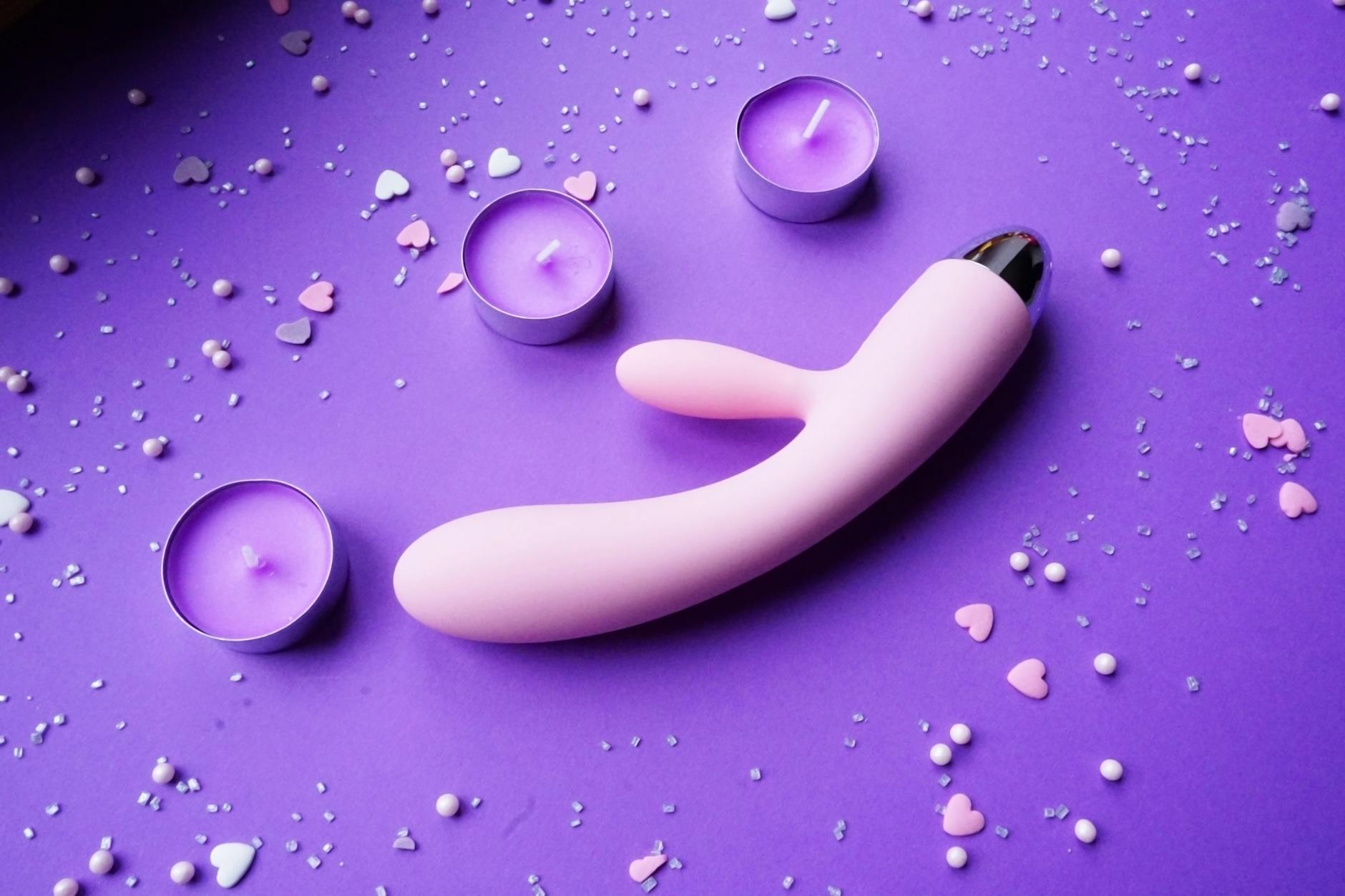
Why Lemon Vibrators Work Better for Sensitive Skin Conditions
Dermatitis, eczema, and reactive skin don't have to mean giving up pleasure. Here's the science behind why suction-based stimulation is gentler on inflamed or sensitive tissue than traditional friction.
If you have dermatitis, eczema, or reactive skin down there, you've probably heard the same unhelpful advice: "Just use more lube" or "Try a different toy." But here's the actual problem that most people miss: it's not what you're using. It's what kind of stimulation your body can tolerate.
Traditional vibrators work through friction and direct contact. If your vulva or inner thighs have active inflammation, compromised barrier function, or skin that flares under pressure, friction makes it worse. A lemon vibrator, which uses gentle suction instead of aggressive vibration, bypasses that problem entirely.
I'm going to walk you through the actual physiology here, because understanding why this works changes how you approach your own pleasure.
Most vibrators create pleasure through repetitive pressure and vibration against tissue. This works fine for most people. But if your skin is already sensitized, inflamed, or easily irritated, that repeated mechanical friction can trigger a flare, create micro-tears, or leave you raw and uncomfortable for days afterward.
A lemon vibrator works differently. It uses gentle air-pulse suction. Instead of rubbing against the skin, it creates a soft rhythmic pulling sensation that stimulates nerve endings without the friction component. The suction draws tissue gently into the device, which means no drag, no abrasion, and no repeated pressure on compromised skin.
This matters because inflamed skin is already in a heightened state of reactivity. The nerve endings are more sensitive (which sounds good, but it often means more pain than pleasure). The barrier function is compromised, which makes irritants penetrate more easily. Adding friction into that equation is asking for trouble.
When you have active eczema, dermatitis, or other skin conditions, your skin barrier is thinner and more reactive. That outer layer of your skin, which is supposed to keep irritants out and moisture in, isn't doing its job as well as it should.
Traditional vibrators create micro-friction that, over time, wears that barrier down even more. You might feel fine during the experience, but hours later, you're dealing with redness, itching, or burning. Some people report that their flares get worse for days after using a traditional vibrator.
The reason this happens is mechanical damage compounded by inflammation. Each pass of the vibrator creates tiny abrasions. Your immune system responds by flooding the area with inflammatory chemicals. If you're already dealing with eczema or dermatitis, your immune system is already hyperactive in that area. Adding mechanical stimulation amplifies the response.
Lemon vibrators and other suction-based adult toys avoid this entirely. Because there's no friction, there's no micro-abrasion. Your barrier function isn't being worn down. You get pleasure without the inflammatory aftermath.
Here's the science bit that actually matters: your clitoris has around 8,000 nerve endings, and most of them don't care about friction. They care about pressure and rhythm.
When you use a lemon vibrator, the suction creates gentle pressure that activates these nerve pathways without the tissue damage. Think of it like this: a traditional vibrator is like repeatedly tapping on sensitive skin. Suction is more like a gentle squeeze and release.
For people with sensitive skin conditions, this distinction is everything. The nerve stimulation is still there. The pleasure response is still possible. But you're not paying for it with inflammation and irritation.
Research on air-pulse technology shows that people with sensitive tissue often report stronger arousal and more intense sensations with suction-based devices compared to traditional vibrators. This is partly because suction activates a different set of nerve pathways, and partly because without the friction component creating discomfort and distraction, you can actually focus on pleasure.
If you have any of these, a lemon vibrator is worth trying: eczema (especially vulvovaginal eczema), contact dermatitis, lichen sclerosus, vulvodynia, or generally reactive skin that flares with friction.
People with very sensitive vulvar skin often find that traditional vibrators trigger their symptoms within hours. A lemon clitoral vibrator, because it uses suction instead of vibration, doesn't create that same inflammatory response.
The same logic applies if you're recovering from genital surgery, dealing with post-procedure inflammation, or managing any condition where your skin barrier is compromised. Friction is the enemy. Suction is your friend.
If you've only used traditional vibrators before, suction feels weird at first. Here's how to approach it without overwhelming your sensitive skin:
Start with the lowest suction setting. A lemon vibrator typically has multiple intensity levels, and many people skip straight to medium or high. When you have sensitive skin, that's a mistake. Spend a few sessions on level one just getting used to the sensation.
Use a water-based lubricant, even though suction works fine without it. Lube creates a better seal and can actually make the sensation feel smoother. It also protects your skin by reducing any minor friction at the edges of contact.
Keep sessions short at first, maybe 10-15 minutes. You're not testing your pain threshold. You're discovering what pleasure feels like without the inflammatory aftermath. Longer sessions can come once you know your skin tolerates it well.
Pay attention to your skin in the hours and days after. If you see redness, feel itching, or notice any irritation, you went too intense too fast. Back off to a lower setting next time. This isn't failure. This is data about what your particular skin needs.
Most quality lemon vibrators are made from medical-grade silicone. This matters for sensitive skin because silicone is non-porous, hypoallergenic, and doesn't harbor bacteria the way porous materials do.
If you have dermatitis or eczema, your skin is already prone to secondary bacterial or fungal infections because the barrier is compromised. A non-porous toy is one less risk factor. Clean it thoroughly after each use with warm water and a tiny bit of unscented soap, and you've minimized irritation risk.
Avoid toys made from rubber, jelly, or other porous materials if you have sensitive skin. These harbor bacteria and can harbor residual soap or lube that irritates your skin on the next use.
If you've had to give up pleasure because of a skin condition, there's often a grief component that comes with finding a solution. You might feel relief, but also frustration that you lost months or years to something that could have been solved with the right device.
That's completely normal. And it's worth naming. Pleasure is part of your baseline wellness. It's not frivolous. When a skin condition takes it away, that's a real loss.
Many of my clients with eczema or dermatitis report that discovering lemon vibrators and suction-based stimulation felt like getting a part of their life back. That's not overstating it. It usually is.
If you have active eczema or dermatitis, a good dermatologist should be part of your toolkit. They can help you understand whether your particular skin condition will improve with topical treatments, whether you need oral medication, or whether your flares are triggered by specific irritants.
Once you have your skin more stable, adding a lemon vibrator becomes lower-risk. You're not introducing a new irritant into an already inflamed situation. You're introducing a gentler option into a more stable baseline.
If your dermatologist has prescribed topical steroids or other treatments, use those as directed, but wait until any acute inflammation has calmed before experimenting with new stimulation. There's no rush. Your pleasure isn't going anywhere.
Not during a flare. Wait until the acute inflammation has settled. Once your skin feels relatively normal again, you can try the lowest suction setting for very short periods. The whole point of using a lemon vibrator for sensitive skin is to avoid the inflammation-triggering friction of traditional devices. If you're already inflamed, any stimulation is riskier. Give yourself grace and wait until your baseline is calmer.
Maybe. Vulvodynia is highly individual, and some people find suction more tolerable than vibration because it doesn't create the same micro-friction. Others find any suction uncomfortable. The best approach is starting with the absolute lowest setting and being honest about whether the sensation feels good or painful. If it's painful, stop. Pleasure shouldn't hurt, and pushing through pain doesn't train your body to enjoy it.
Start with once or twice a week and see how your skin responds. Some people with sensitive skin find they can use lemon vibrators daily without irritation, while others need more recovery time. Your skin will tell you. If you notice any redness, irritation, or increased itching, space out your sessions and lower the intensity. Listen to your body, not an arbitrary schedule.
Not strictly necessary, but it helps. Lube creates a better seal for suction and can reduce any minor friction sensation at the edges of contact. For sensitive skin, lube is usually a net positive. Make sure it's unscented and designed for sensitive skin, and avoid anything with glycerin if you're prone to yeast infections.
Absolutely. A lemon clitoral vibrator is easy to incorporate during partnered sex. The suction focus means it's less likely to irritate your skin, so you might actually feel comfortable exploring that option for the first time. Talk with your partner about pace and intensity so they understand you need lower settings and shorter sessions. That conversation often leads to better communication overall.
All air-pulse or suction-based devices avoid friction-based stimulation, which is what matters for sensitive skin. What varies is intensity range, pattern options, and overall design. A lemon vibrator is specifically engineered for clitoral stimulation with multiple gentle settings, which makes it particularly good for people who need to start low and go slow. Other suction toys might have fewer intensity levels or patterns that don't suit sensitive tissue as well. The core benefit—suction instead of friction—applies across the category.
Sensitive skin doesn't have to mean giving up pleasure. It just means finding the right kind of stimulation for your body. Lemon vibrators and other suction-based toys work better for inflamed or reactive skin because they bypass friction entirely, activating your nerve endings without the inflammatory aftermath.
Start low, go slow, and pay attention to how your skin responds. If you have active dermatitis or eczema, wait until your baseline calms before experimenting. And if you're not sure whether a lemon clitoral vibrator is right for you, start with one session at the lowest setting and see what your body tells you.
Your pleasure matters, and your skin deserves tools that work with it, not against it. That's what lemon vibrators are designed to do.