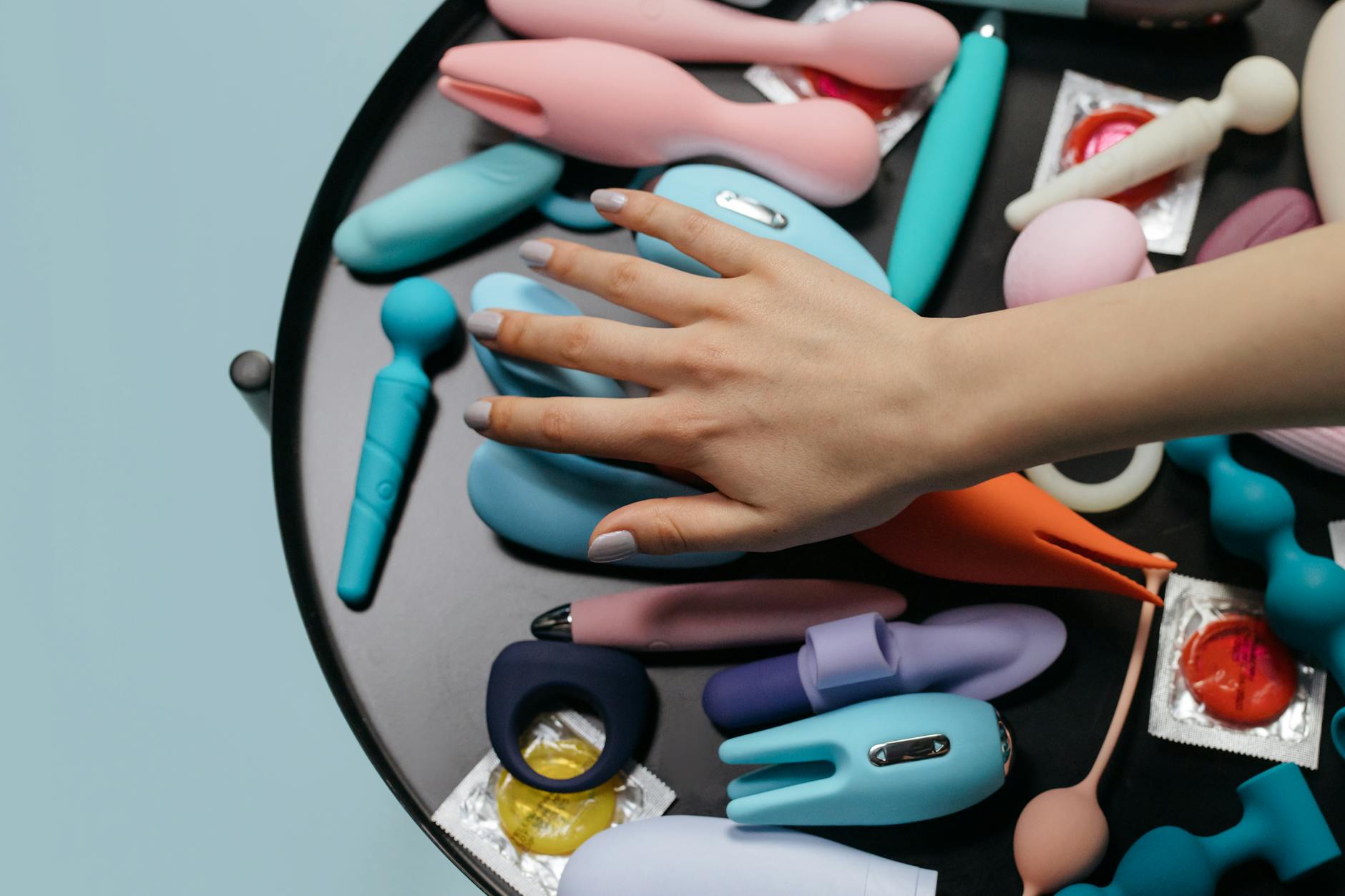
Let's talk about clitoral sensitivity
If you've ever winced at a vibrator that felt too buzzy, too direct, or just straight-up uncomfortable on sensitive tissue, you're not alone. The clitoris has roughly 8,000 nerve endings packed into a space smaller than a pea. That concentration of sensation is a gift. It's also why the wrong kind of stimulation can feel abrasive instead of pleasurable.
Here's the thing most people don't realize: not all vibrators are built the same way. Traditional vibrators use oscillation (back-and-forth movement), which works beautifully for some bodies. For others, especially those with heightened clitoral sensitivity, that direct mechanical vibration can overwhelm the nerves instead of awakening them. A lemon vibrator works differently. It uses suction and pulsation, a completely different mechanism that feels gentler while still delivering intense sensation.
How traditional vibrators stimulate the clitoris
Most handheld vibrators and wand vibrators operate on oscillation. The motor vibrates at a set frequency, usually between 3,000 and 10,000 vibrations per minute, and that movement transfers directly to whatever tissue you're pressing it against. For many people, this is perfect. Fast, focused, reliable.
But here's the mechanical reality: when you press a directly vibrating surface against highly sensitive tissue, the sensation can become sharp or even painful. Think of it like the difference between a light tap and a rapid drum roll on your collarbone. Both are movement, but one distributes the pressure differently.
For people with vulvar hypersensitivity, vulvodynia, or simply a clitoris that prefers gentler handling, traditional vibration can paradoxically make it harder to orgasm. You end up tensing your pelvic floor to protect yourself from discomfort, which shuts down arousal entirely.
Why suction-based stimulation feels different
A lemon clitoral vibrator doesn't vibrate in the traditional sense. Instead, it creates a gentle vacuum around the clitoral head. That suction stimulates the nerve endings through a different pathway. Rather than the direct mechanical pressure of oscillation, suction triggers the tissue through what researchers call "the gentle pressure mechanism."
When you create suction around the clitoris, you're not hammering the nerves. You're creating a small area of changed pressure that the nerve endings perceive as a wave of sensation. It's less like a jackhammer and more like a slow, steady tide.
The sensation also spreads across a wider area. Traditional vibrators concentrate intensity in a small point. Suction distributes stimulation across the entire clitoral glans and surrounding tissue, which means less focal pressure and more overall engagement. For sensitive bodies, this is genuinely transformative.
The research behind it
While there isn't yet a massive body of peer-reviewed literature on lemon vibrators specifically, the science of suction-based stimulation has been studied. Research on clitoral sensitivity and vibration frequency shows that intensity matters less than the right kind of pressure.
A 2019 study on vibration thresholds found that people with heightened clitoral sensitivity often had lower vibration tolerance. But when the same stimulation was delivered through varying pressure (like suction provides) rather than constant oscillation, tolerance and pleasure both improved. The brain perceives variety as safer, and the pelvic floor stays relaxed.
Additionally, clitoral tissue is delicate. The clitoral glans has thin epithelium (outer layer), which means direct vibration can sometimes cause micro-abrasions if you're using it for extended periods. Suction is gentler on the tissue itself, which means you can enjoy longer sessions without irritation.
When clitoral sensitivity becomes a real problem
Let's separate general sensitivity from actual hypersensitivity or pain. If your clitoris feels too sensitive to touch, that's not a defect. It's real, it's common, and you're not broken.
Vulvar vestibulitis or vulvodynia (chronic vulvar pain) affects roughly 16% of women at some point in their lives. If you experience pain during any kind of contact, you should see a gynecologist or pelvic floor specialist. But mild sensitivity, that feeling of "too much too soon," is different. That's where a lemon vibrator's gentler approach becomes genuinely helpful.

Photo by Frank Schrader on Pexels
How to use a lemon vibrator for sensitive tissue
If you're coming to a lemon clitoral vibrator because other toys have felt too intense, here's what actually works:
Start with the lowest intensity setting. Even if you think you want to jump to full power, resist. Most people find that the initial suction pattern at setting one or two is more than enough. The beauty of suction is that even a gentle pulse feels like a lot because it's displacing tissue, not just vibrating it.
Use a light touch. You don't need to press hard. Gentle contact, just enough that the toy maintains a seal, is all you need. Pressing harder doesn't create better suction. It creates pressure, which defeats the whole point for sensitive bodies.
Build warmup time into the experience. If your clitoris is easily overwhelmed, spending 10 to 15 minutes on foreplay, mental arousal, or just being in your body helps lower sensitivity. Think of it as priming the nervous system. When you come to the lemon vibrator already halfway to arousal, the initial suction feels less shocking.
Pair it with lubrication. Even though suction creates its own pressure, a small amount of water-based lube helps the toy maintain contact without friction. This is especially true if you have any dryness from hormonal changes, stress, or medication.
Lemon vibrators versus wand vibrators for sensitive users
Wand vibrators are powerful and broad, which sounds helpful for sensitivity. In reality, they often feel worse. The wide head distributes vibration across a large area, but the vibration intensity itself doesn't change. For sensitive people, that's still a jackhammer, just a wider one.
A lemon clitoral vibrator's smaller surface area and suction mechanism create a completely different sensation profile. The intensity is lower at baseline, and the type of stimulation bypasses some of the direct pressure that triggers discomfort in sensitive tissue.
That said, some people find the exact opposite true. Some bodies love broad, strong vibration. The point is: sensitivity is individual. If you've had bad experiences with wands, a lemon vibrator is genuinely worth trying because it's built on a different principle entirely.
What happens when you finally use the right tool
I've worked with many people who thought they couldn't enjoy solo pleasure or partnered sex because toys "just didn't work" for them. Overwhelmingly, the issue wasn't their body. It was the tool. They were using vibrators designed for average sensitivity on above-average sensitive tissue.
When someone with clitoral hypersensitivity tries a lemon suction vibrator for the first time, the relief is tangible. Suddenly the sensation feels manageable. Suddenly they can relax instead of bracing. And when your pelvic floor finally relaxes, arousal follows.
That shift matters beyond just pleasure. It matters for confidence. It matters for relationships. It matters for the fundamental belief that your body isn't broken. It's just been waiting for the right approach.
The bottom line
If you've written off vibrators because they felt uncomfortable, that's not a sign that you're not sexual. It's a sign that you haven't found the right technology yet. A lemon clitoral vibrator, with its suction-based design, offers gentler, more distributed stimulation that works brilliantly for sensitive tissue. It's not better or worse than traditional vibrators. It's just different. And for some bodies, different is exactly what works.
If you want to explore how a lemon vibrator might fit into your pleasure practice, there's no harm in trying. Your body will tell you immediately whether this approach lands better. And if it does, you might find that the ease you finally feel with one toy opens up possibilities everywhere else.
People also ask
Why do some clitoral vibrators feel too strong or overwhelming?
Most traditional vibrators use high-frequency oscillation, which concentrates intense, rapid movement in a small area. If your clitoris has heightened nerve sensitivity, that direct vibration can overstimulate the nerves, causing discomfort or that "too much" feeling. Your nervous system is working correctly. The vibrator is just delivering stimulation that your particular tissue finds uncomfortable.
Can clitoral sensitivity change over time?
Absolutely. Sensitivity shifts with hormonal cycles, stress levels, arousal state, and age. Stress and anxiety increase pelvic floor tension, which can make the clitoris feel hypersensitive. Better stress management, longer warmup time, and partner communication can all help. You might find that sensitivity that peaks during certain times of your cycle mellows out during others.
Is a lemon suction vibrator safe for daily use?
Yes, provided you're using it as designed. Suction is gentler on tissue than intense vibration, so the risk of micro-abrasions or irritation is lower. That said, daily use over long sessions might eventually cause sensitivity. Most manufacturers recommend giving your clitoris a rest day between sessions, especially if you're new to this type of toy.
How is a lemon vibrator different from a traditional clitoral vibrator?
A lemon clitoral vibrator uses suction and pulsation instead of direct oscillation. Traditional vibrators buzz or vibrate at a set frequency. Suction creates a gentle pressure change around the clitoral tissue, distributing stimulation across a wider area with less focal intensity. For sensitive bodies, the sensation feels gentler and more manageable.
What if a lemon vibrator still feels too intense?
Start at the absolute lowest setting and use only 30 seconds at a time. Pair it with extended foreplay to get fully aroused before the toy comes into play. Use plenty of lubrication. If it still feels uncomfortable, you might explore even gentler options like finger vibrators or discuss sensitivity with a pelvic floor physical therapist. Pain or discomfort isn't something to push through.
Can I use a lemon vibrator with a partner?
Completely. Many couples find that suction-based toys feel less jarring or overwhelming during partnered play. You can use it solo during foreplay, or your partner can hold it. Some people love the break from direct pressure that a lemon vibrator provides during longer sessions. Communication about sensation and comfort is key, as it is with any toy.
Next steps
If you've struggled with clitoral sensitivity or just haven't found a vibrator that feels right, it's worth exploring what a different mechanism can offer. Your body's preferences are information, not limitations. The right tool changes everything.
Have questions about how to navigate pleasure with a sensitive clitoris? Reach out to us. We're here to help you figure out what actually works for your body.