The thing nobody tells you about numbness during sex
You're having sex. You're present. Your partner is present. And yet. Nothing. The touch that used to land feels like it's happening to someone else's body. That dissociation between what's happening and what you're feeling is one of the most unsettling experiences in intimate life, and it's also wildly more common than you'd think.
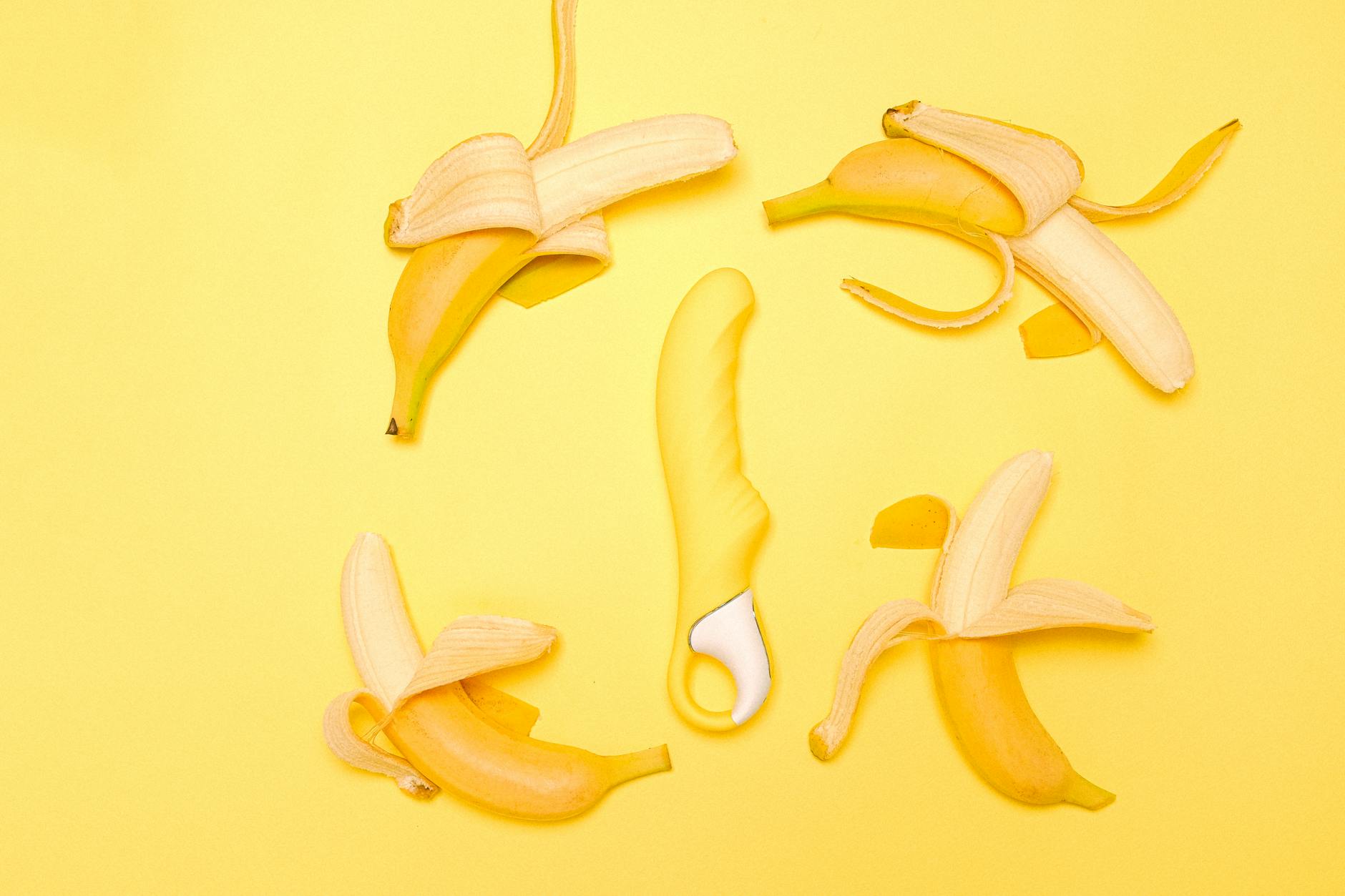
Here's the good news: numbness during sex is almost never permanent, and it's almost never unfixable. It has causes, and those causes respond to specific interventions. One of the most effective tools I've recommended in my practice is a lemon clitoral vibrator, not because it magically rewires your nervous system, but because the way lemon vibrators work actually mirrors what your body needs to rebuild sensation.
Let me walk you through why this happens and how to use a lemon vibrator to find your way back.
Why sensation disappears during sex
Numbness during sex usually points to one of three places: your nervous system, your attention, or your emotional state. Sometimes it's all three.
Nervous system dysregulation. If you're anxious, dissociated, or in fight-or-flight mode, your parasympathetic nervous system (the one that lights up pleasure) is offline. You're running on survival mode. Your body literally cannot feel pleasure in that state because the neural pathways aren't engaged. This happens after trauma, but also after chronic stress, sleep deprivation, or extended periods of emotional pressure.
Attention gaps. Sensation requires attention. If your mind is on laundry, work deadlines, or whether your body looks okay right now, you're not actually present for touch. This sounds obvious, but the difference between sex where you're mentally somewhere else and sex where you're completely tuned in is the difference between numbness and intensity.
Disconnection from your body. Long-term relationship patterns sometimes create a learned dissociation. If sex has felt obligatory, pressured, or one-sided, your nervous system learns to check out. It's protective. And it's also why sensation can vanish even in moments where nothing is actually going wrong.
Medical factors. Certain medications (particularly SSRIs and some antihistamines), hormonal shifts, diabetes, or nerve compression can genuinely reduce sensation. If you suspect medical causes, a doctor conversation is worth having. But most numbness during sex is functional, not structural.
How lemon vibrators work differently (and why that matters)
Most vibrators use direct vibration. A lemon vibrator uses suction plus subtle pulsation. The distinction is crucial for rebuilding sensation because suction stimulates the nerves in a way that's less overwhelming and more naturally aligned with how arousal actually builds.
When sensation is numb, direct stimulation often feels like nothing at all. You turn up intensity, feel frustrated, and then you're even more checked out. A lemon clitoral vibrator (like the Lem) works by creating rhythmic suction patterns that wake up nerve endings without the harshness of pure vibration. It's gentler on the reintroduction to sensation, which means your nervous system is more likely to stay engaged instead of retreating further.
The other thing that happens with lemon vibrators: they're impossible to ignore. The suction sensation is distinctive. It's literally hard to be thinking about other things when your body is responding to that particular rhythm. That forced attention is the first step toward rebuilding the nervous system connection to pleasure.
The step-by-step protocol for rebuilding sensation
Step 1: Solo first, always. Start alone, not with a partner. Your nervous system needs to practice pleasure without the added layer of performance anxiety or attention-splitting. Set aside 20 minutes in a quiet space where you won't be interrupted. Phone in another room. Door locked.
Step 2: Start at the lowest setting. On a lemon vibrator, this usually means pattern 1 or 2. Your body has learned to be numb. You're not going to jump back to intensity right away. Low setting, full attention. If it still feels like nothing, that's normal. You're retraining neurological pathways. This takes three to five solo sessions before you'll feel a shift.
Step 3: Build a rhythm, not a destination. The goal is not to come. The goal is to notice sensation. Spend 15 minutes just exploring the device at low intensity. Move it around. Pause. Notice what feels slightly different. This isn't about achievement. It's about reconnection.
Step 4: Gradually increase, but stay present. Once you're noticing sensation consistently (usually after a week of solo use), you can move to pattern 3 or 4. The key is staying aware of how your body is responding, not chasing orgasm. Many people find that when they stop trying to come and just stay present for sensation, arousal builds naturally.
Step 5: Introduce your partner slowly. When you're ready, use the lemon vibrator with your partner present but not directly involved. They might be inside you while you use the vibrator on your own, or you might be on top with the device between you. The point is that you're controlling sensation while they're part of the experience. This rebuilds the felt sense that pleasure is possible together, not something you have to choose between him and yourself.
The emotional piece that actually matters most
Here's what I see in my practice: people rebuild sensation fastest when they've also addressed the emotional or relational context that created the numbness in the first place. If you're numb during sex because sex feels one-sided or pressured, a lemon vibrator helps, but the deeper work is the conversation with your partner.
That conversation usually sounds like: "I've been feeling disconnected during sex, and I want us to figure out how to change that together. I'm going to use a vibrator because it helps me reconnect with my own body. That's not about you. It's about me finding my way back to sensation so I can actually feel you again."
Some partners get defensive. If that's happening in your relationship, that's separate work, and it might mean talking to a therapist. But most partners, when they understand the numbness isn't about them, become genuinely curious about helping you find your way back.
If you've experienced trauma that makes touch feel unsafe, a lemon vibrator is useful, but so is trauma-informed therapy. These work together, not instead of each other.
When sensation shifts: what to expect
Most people notice the first real shift in sensation within two to three weeks of consistent solo use. It usually shows up as a subtle intensification of feeling, or a moment where you suddenly realize you've been present for the last five minutes instead of somewhere else in your head.
That's the beginning. Sensation builds from there. Once you've felt it once, your nervous system knows it's possible, and subsequent sessions deepen the experience.
The other thing that often happens: as sensation returns during solo play, it starts returning during partnered sex too, even without the device. You've essentially retrained your nervous system that pleasure is safe and possible. The lemon vibrator was the training tool. Your body becomes the ongoing tool.
Why the Lem works particularly well for this
The Lem is designed with three patterns that layer complexity. You start simple, build awareness, then add rhythm. For someone rebuilding sensation from numbness, that progression matches exactly what your nervous system needs. It's also quiet enough that you're not distracted by noise, and the suction design means you're not fighting through intensity that's too much.
That said, any quality lemon clitoral vibrator will work. The brand matters less than the consistency of use and the willingness to stay present.
FAQ: Sensation, numbness, and lemon vibrators
How long does it usually take to feel sensation again?
Most people notice subtle shifts within two to three weeks of solo use three to four times per week. Significant reconnection usually takes four to eight weeks. If nothing has shifted after two months, there might be a medical component worth exploring with a doctor. But patience is key here. You're retraining a nervous system, not flipping a switch.
Is numbness during sex the same as not being able to orgasm?
Not exactly. You can have numbness (no sensation) but still be capable of orgasm through specific movement or pressure. Or you can have full sensation but difficulty reaching orgasm. They're related but different problems. If you're experiencing both, the lemon vibrator helps with sensation first. Orgasm sometimes follows naturally once sensation returns.
Can lemon vibrators help if numbness is from medication?
Yes, partially. SSRIs and other medications that affect sensation don't prevent vibrator use, but they do slow the rebuilding process. A conversation with your prescribing doctor is worth having. Sometimes adjusting timing or dose can help. Sometimes the lemon vibrator is genuinely the best workaround while you stay on medication that's helping your mental health. Both things can be true.
What if my partner wants to help but I'm too numb to feel touch from them?
Start with the vibrator solo until sensation returns enough that you notice pleasure. Once that's reliable, introduce them gradually. Many couples find that a partner holding the vibrator or controlling the pattern (while you guide them) bridges the gap between solo and partnered sensation. It keeps you in control while rebuilding the felt sense of intimacy.
Should I be using lemon vibrators instead of having sex with my partner?
No. You're using the vibrator to rebuild the capacity for sensation so that sex with your partner becomes pleasurable again. The two aren't competing. Eventually, you might use the vibrator during partnered sex, or you might find that sensation returns enough that you don't need it. The tool is temporary. The goal is reconnection.
Is numbness during sex something I should be embarrassed about?
Absolutely not. It's a symptom, not a failure. A symptom with causes and solutions. The people who get their sensation back fastest are the ones who address it directly instead of pretending it's not happening. That directness is actually the most attractive, most intimate thing you can do.
The thing to remember
Numbness during sex feels permanent while you're in it. It's not. Your nervous system learned to disconnect, and it can learn to reconnect. A lemon vibrator is one of the most effective tools for that retraining because of how it mirrors what your body actually needs. But the real tool is your willingness to stay present, to be patient with the process, and to give yourself permission to rebuild pleasure on your own timeline.
If numbness persists beyond eight weeks or feels tied to trauma, talking to a therapist is worth the investment. Your pleasure isn't a luxury. It's part of what makes you feel alive, present, and connected to your body. You deserve that back.
Questions about how to get started? Reach out to our team anytime.